Market Overview
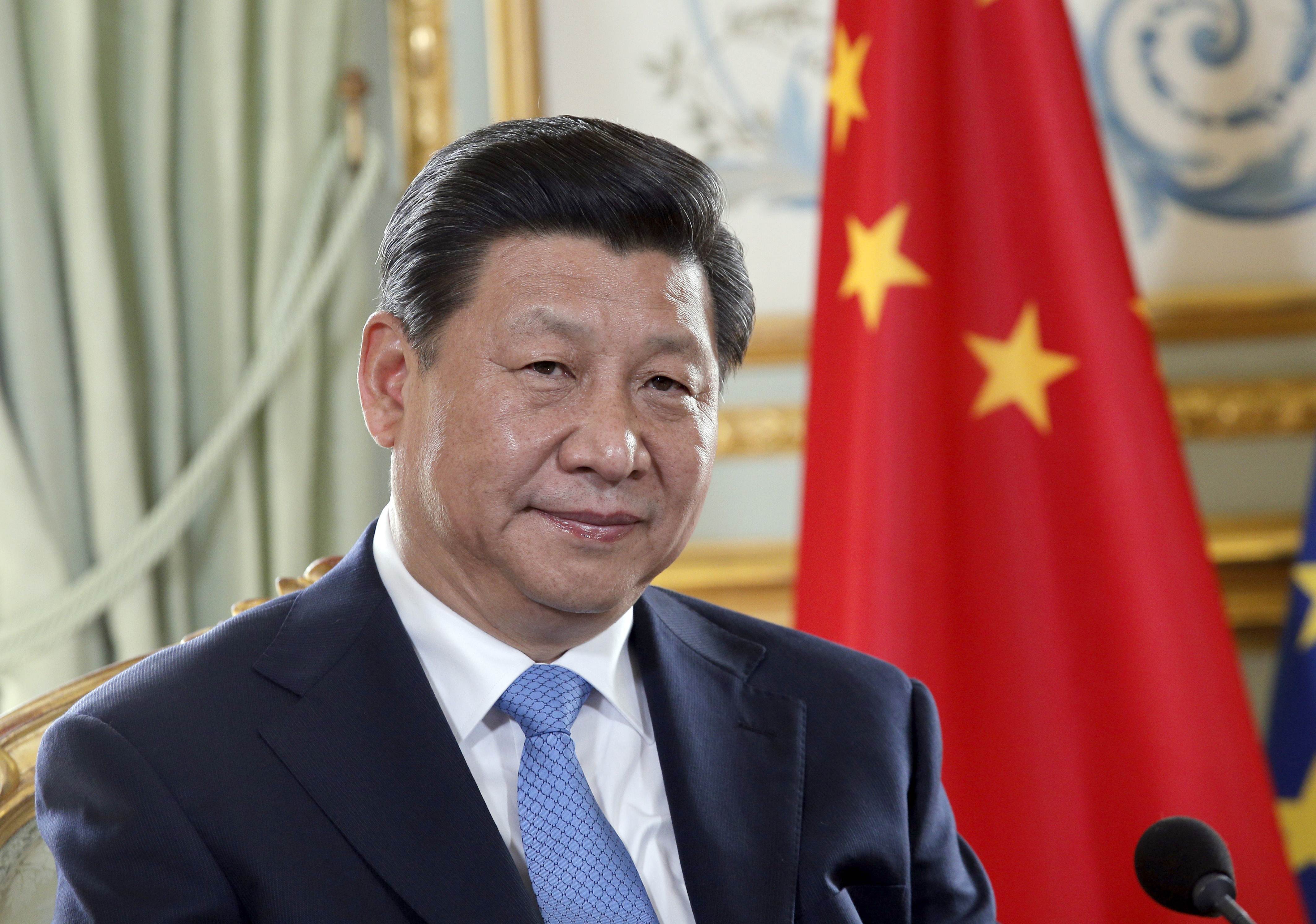
Prediction markets are currently assessing a 2.2% probability that Xi Jinping will be removed from his position as General Secretary of China's Communist Party by June 30, 2026. The market, which has generated over $2 million in trading volume, reflects widespread expectations of continuity in Chinese leadership over the next 18 months. This low probability pricing suggests traders view Xi's grip on power as secure despite the considerable political and economic challenges facing the world's second-largest economy.
Why It Matters
Xi Jinping's tenure as General Secretary since 2012 has established him as China's most powerful leader since Deng Xiaoping, with consolidated control over party, military, and state institutions. Any removal from power—whether through resignation, dismissal, detention, or loss of ability to fulfill duties—would represent a seismic shift in Chinese politics with global ramifications. For investors, analysts, and policymakers, Xi's political stability directly influences long-term assessments of China's trajectory in economic policy, geopolitical strategy, and regional stability.
Key Factors
Market participants cite several structural reasons for the low removal probability. First, Xi has systematized his authority through constitutional amendments, party reshuffles, and the elimination of term limits, creating institutional barriers to removal. Second, the CCP's norm of orderly succession and stability-focused governance makes sudden leadership changes rare compared to other political systems. Third, no credible reporting suggests imminent internal party challenges or external pressure sufficient to force Xi from office.
However, the market does acknowledge tail risks that could theoretically shift outcomes. China's slowing economic growth, persistent deflation, youth unemployment, and property sector distress create domestic discontent. Geopolitical tensions—including disputes over Taiwan, U.S. competition, and regional conflicts—introduce unpredictability. Additionally, factional dynamics within the CCP remain opaque to outside observers, leaving room for unforeseen internal developments. Health concerns, natural disasters, or black swan events could theoretically create political openings, though these scenarios remain speculative and low-probability.
Outlook
For the market to shift materially higher, credible signals would likely include: sustained evidence of factional opposition within party leadership, publicly visible health deterioration, major military or diplomatic setbacks that trigger elite criticism, or official announcements of leadership transitions. Conversely, economic stabilization, successful management of the Taiwan situation, or consolidation of third-generation Xi allies could reinforce the current low-probability pricing. Market participants should monitor Chinese state media messaging, elite personnel changes, and international assessments of internal party dynamics as early indicators of shifting political risk.