What Happened
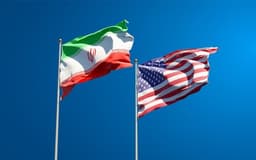
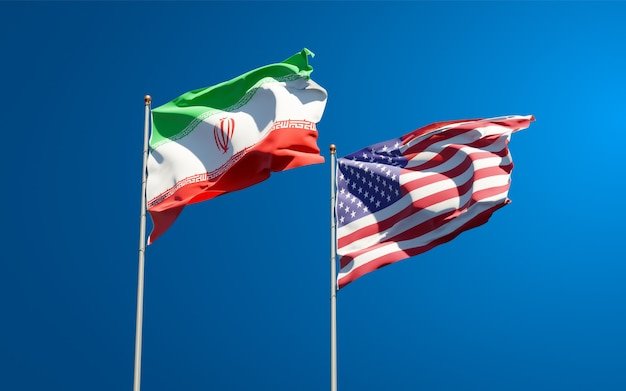
A prediction market contract on whether the United States and Iran will hold an in-person diplomatic meeting by April 30, 2026, jumped dramatically from 22.5% to 50.5% probability, a 28-percentage-point increase. The move occurred on elevated volume of $1.79 million, indicating substantial trader participation and conviction behind the shift. The market now prices in roughly even odds that such a meeting will occur within the specified timeframe.
Why It Matters
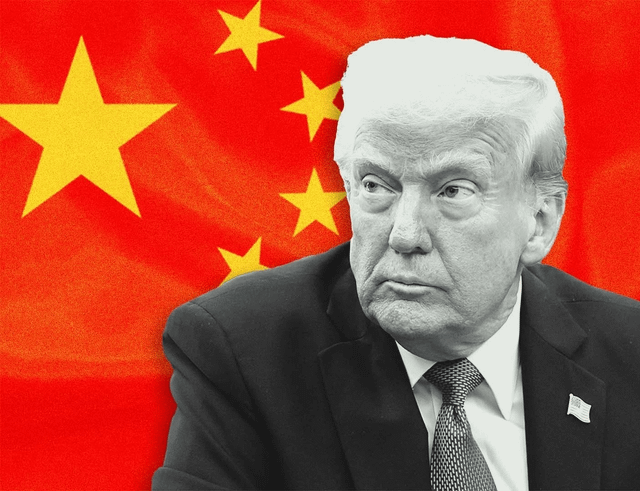
The shift reflects a meaningful reassessment of diplomatic prospects between two nations whose relations have been strained for over four decades. A direct or authorized indirect diplomatic meeting would represent a significant development in US-Iran relations, potentially signaling either de-escalation efforts or a structured negotiating process. The timing through April 2026 covers the early months of the Trump administration's second term, a period when foreign policy priorities are typically being established. Market participants appear to be pricing in either a change in diplomatic posture or confidence in intermediaries' capacity to arrange formal talks.
Market Context
The substantial volume accompanying this price movement suggests the shift reflects genuine information or changed sentiment rather than thin trading. The market's resolution criteria specifically allow for indirect in-person meetings through authorized mediators or facilitators, broadening the scope beyond direct bilateral talks. This distinction is significant, as it would encompass negotiations facilitated by intermediaries like Switzerland, Oman, or other traditional diplomatic brokers. The previous 22.5% probability implied skepticism about near-term engagement; the current 50.5% reflects genuine uncertainty about whether diplomacy will materialize.
Outlook
While the market now prices in near-even odds, reaching 50% does not constitute majority probability. Traders are essentially split on whether structured diplomatic engagement occurs within the 16-month window. Geopolitical developments—including regional escalations, sanctions policy changes, or statements from Trump administration officials—will likely drive continued volatility. The market's evolution will serve as a real-time barometer of diplomatic prospects as 2026 approaches and administration positions on Iran become clearer.