What Happened
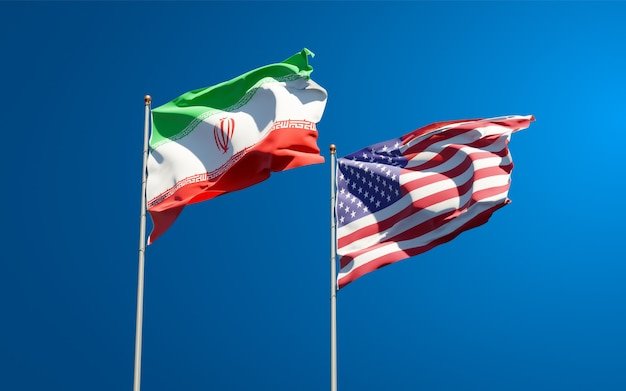
A prediction market assessing whether J.D. Vance will conduct a diplomatic meeting with Iranian representatives by April 30, 2026, saw odds surge from 18% to 36% on trading volume exceeding $526,000. The 18-percentage-point shift represents a meaningful recalibration of market expectations regarding near-term U.S.-Iran diplomatic prospects. The market specifically requires an in-person meeting where Vance acts as an authorized U.S. negotiator, with direct participation and public acknowledgment by either government or credible media consensus.
Why It Matters
The doubling of odds reflects market participants' reassessment of diplomatic openness within the Trump administration. Vance, serving as Vice President, holds significant influence over foreign policy direction. The timing is notable given recent diplomatic personnel announcements, including positions held by figures such as Rubio, Kushner, and Witkoff—all tagged in connection with this market. These appointments may signal administration priorities regarding engagement with adversarial states. Whether the administration pursues direct dialogue with Iran carries substantial geopolitical implications for Middle Eastern stability, nuclear negotiations, and regional power dynamics.
Market Context
Prediction markets aggregate dispersed information and financial incentives to surface probability assessments of future events. The substantial volume in this contract suggests serious interest from market participants with relevant information or expertise. The migration from 18% to 36% odds—a doubling—is neither marginal nor trivial, indicating consensus-building among informed traders rather than speculative noise. However, baseline odds of 36% indicate market participants view a Vance-Iran meeting as unlikely in the specified timeframe, with 64% probability assigned to no such meeting occurring.
Outlook
The market signal suggests growing but still minority expectations for diplomatic engagement. The remainder of the contract period extends through April 2026, providing an 18-month window for developments. Further price movements will likely track administration statements on Iran policy, international diplomatic developments, and any preliminary contacts between U.S. and Iranian officials. Market participants should monitor official announcements from State Department or National Security Council channels, as public acknowledgment requirements mean any meeting would generate substantial reporting coverage.