Market Overview
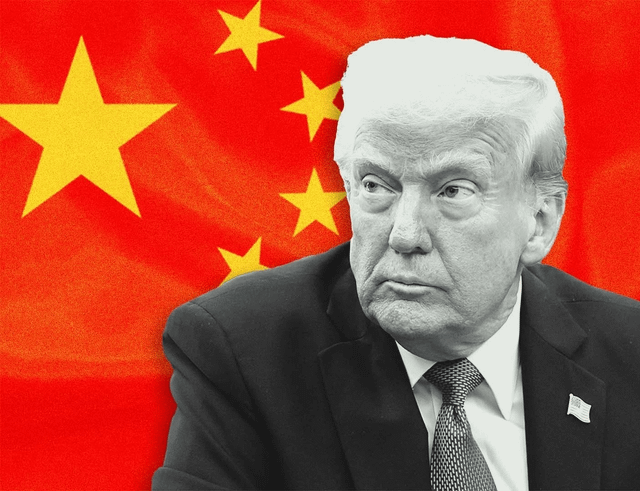
Prediction markets are pricing a Trump visit to China within the next 16 months at just 0.4%, among the lowest probabilities for major geopolitical events. The market has maintained this extremely low level consistently, with no movement recorded over the past 24 hours despite high liquidity. The $12.1 million in trading volume indicates significant interest from market participants, though the vast majority are betting against such a visit occurring.
Why It Matters
A Trump visit to China would represent a major diplomatic development with implications for U.S.-China relations, trade negotiations, and broader Indo-Pacific geopolitics. Such a visit could signal either a thaw in tensions or serve as a platform for high-stakes negotiations on tariffs, technology, and military issues. The extremely low probability reflects market consensus that current diplomatic conditions make a presidential visit to Beijing highly unlikely within this timeframe.
Key Factors Driving the Low Probability
Several factors support the market's skepticism. The timeframe is relatively compressed—just 16 months from now—leaving limited opportunity for the diplomatic groundwork typically required for a presidential state visit. Current U.S.-China relations remain tense, with ongoing disputes over trade, technology, and Taiwan. Trump's first term was marked by confrontational trade policies, and recent rhetoric from both sides suggests limited appetite for the kind of diplomatic engagement that would culminate in a presidential visit. Additionally, such visits typically require months of advance planning and protocol coordination, which has not been publicly announced.
Outlook
For the probability to shift meaningfully upward, markets would likely require explicit signals of improved relations, such as major trade negotiations, diplomatic breakthroughs on key issues, or official announcements of planned high-level talks. Any public indication that such a visit is being planned would substantially increase market odds. Conversely, continued escalation in disputes or public criticism would reinforce the current bearish assessment. The extreme pricing suggests participants see this scenario as requiring a significant shift in current diplomatic trajectories.