Market Overview
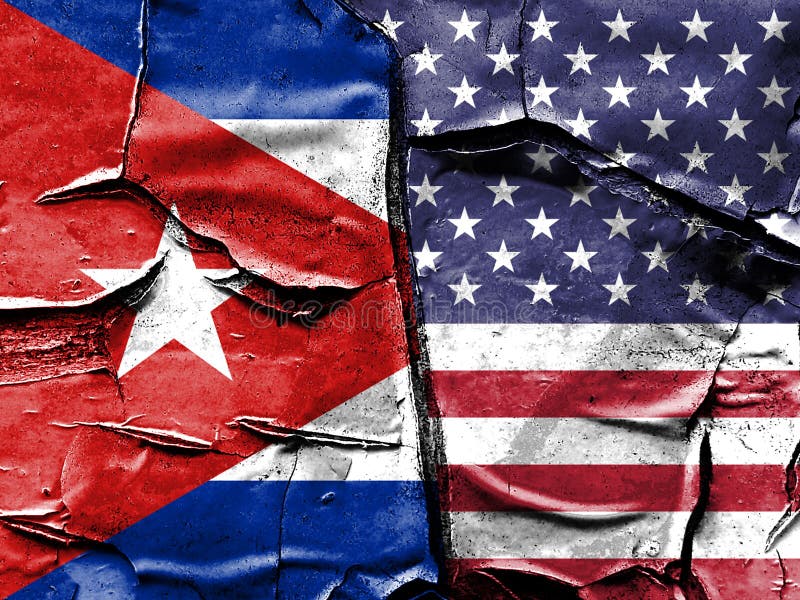
Prediction market participants are currently pricing the probability of a U.S. military invasion of Cuba by the end of 2026 at 26.5%, with trading volume of approximately $1.53 million indicating meaningful engagement on the question. This probability stands substantially above what conventional geopolitical assessment would suggest for such an outcome during a two-year window, placing it in the range of significant but not dominant likelihood—comparable to the odds assigned to other major geopolitical disruptions.
Why It Matters
A U.S. invasion of Cuba would represent one of the most consequential military actions in the Western Hemisphere in decades, with implications extending far beyond bilateral U.S.-Cuban relations. Such an event would reshape regional security dynamics, trigger international diplomatic crises, and potentially involve other major powers. Prediction markets on such scenarios can serve as indicators of where sophisticated traders perceive tail risks accumulating, even when mainstream policy discussion treats them as remote possibilities. The relatively robust market volume suggests this is not a fringe concern but one with sufficient perceived probability to attract serious capital.
Key Factors
Several factors likely contribute to the market's assessment. The Trump administration's return to the White House in January 2025 has historically been associated with more assertive Cuba policy, including reversals of normalization efforts and heightened rhetoric. Migration crises emanating from Cuba have periodically escalated U.S. tensions with the island. The market may also be pricing in potential instability scenarios in Cuban governance, refugee crises, or other unforeseen developments that could alter the calculus around military intervention. Additionally, prediction markets sometimes incorporate lower-probability but consequential scenarios more aggressively than policymakers or media coverage, reflecting different risk weighting. The 26.5% probability also suggests market participants view invasion as unlikely but genuinely plausible—a tail risk rather than base case.
Outlook
The probability would likely shift upward in response to major escalations: a severe humanitarian crisis triggering mass migration, dramatic deterioration in Cuba's government stability, or rhetorical escalation from U.S. leadership explicitly signaling military options. Conversely, diplomatic engagement, economic accommodation, or a change in U.S. administration priorities could depress the odds. The current market level reflects a state of elevated but not acute concern—a reflection of structural tensions and policy uncertainty rather than reaction to any specific recent event. Market participants appear to be pricing in a non-trivial tail risk that, while not the most likely outcome, warrants significant probability allocation given the stakes involved.