Market Overview
Prediction markets are currently pricing a one-in-three chance that Mojtaba Khamenei, Iran's Supreme Leader since 1989, will cease to hold effective power by the end of 2024. The market has maintained this 33.5% probability steadily, with modest trading volume of approximately $2.08 million, suggesting measured conviction rather than consensus certainty among traders. The flat price action over the past 24 hours indicates no recent catalyst has substantially shifted expectations, pointing instead to a baseline assessment of structural risks inherent to Iran's political system.
Why It Matters
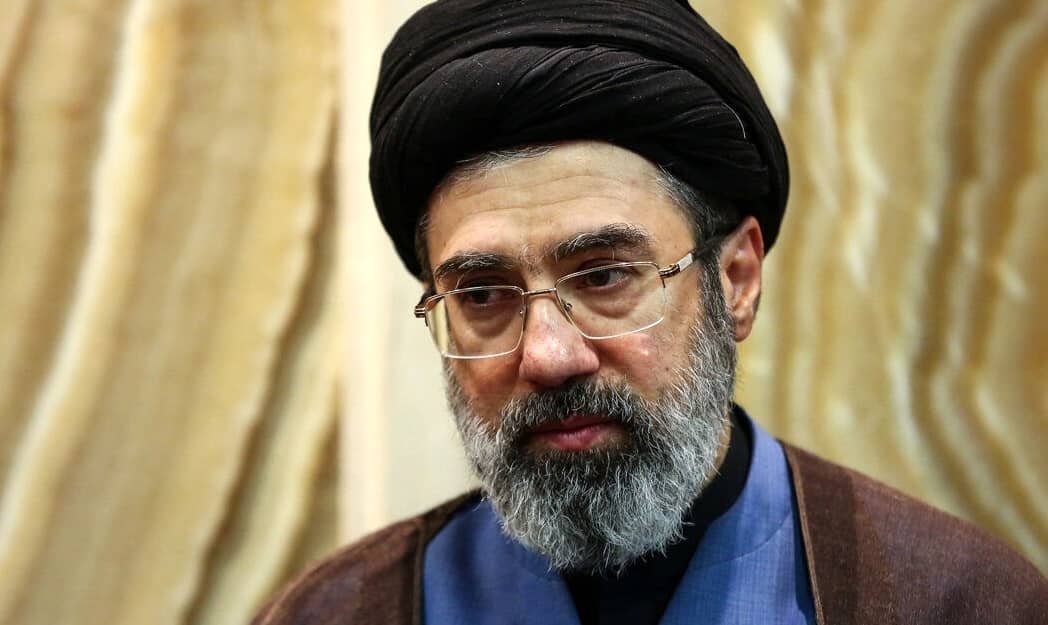
The question of succession in Iran's opaque leadership structure carries outsized implications for regional stability, nuclear negotiations, and U.S. foreign policy. Khamenei, now 85 years old, controls Iran's military, judiciary, and state media through his position as Supreme Leader—making any transition a consequential event with potential ripple effects across Middle Eastern geopolitics. The specific focus on Mojtaba Khamenei, the current leader's son and presumed heir, underscores market attention to succession pathways and the viability of dynastic continuity within Iran's Islamic Republic framework. A leadership change could signal either internal instability or a fundamental shift in Iran's strategic orientation.
Key Factors
Multiple conditions could drive a leadership transition. Khamenei's advanced age and periodic health concerns have long underpinned succession speculation, though Iranian authorities have offered no public indication of imminent change. Domestic pressure points—including economic hardship, youth dissatisfaction, and past protest movements—create latent instability, though these have not yet produced sufficient institutional disruption to dislodge entrenched power structures. International tensions, including potential military escalation or sanctions regimes, could destabilize the regime's control apparatus. The market's 33.5% weighting suggests traders view such scenarios as materially possible but not probable within a compressed timeframe of roughly nine months, reflecting skepticism about rapid regime collapse while acknowledging genuine vulnerability.
Outlook
For the probability to shift meaningfully higher, traders would likely require either credible reporting of severe health crises, public manifestations of serious internal power struggles, or overt military/security incidents that undermine regime cohesion. Conversely, any public reaffirmation of Khamenei's authority or stabilization of domestic conditions could push odds lower. The current 33.5% pricing reflects baseline geopolitical risk rather than imminent expectations, positioning the market as a barometer of structural uncertainty in Iran's political system rather than a forecast of near-term change.