Market Overview
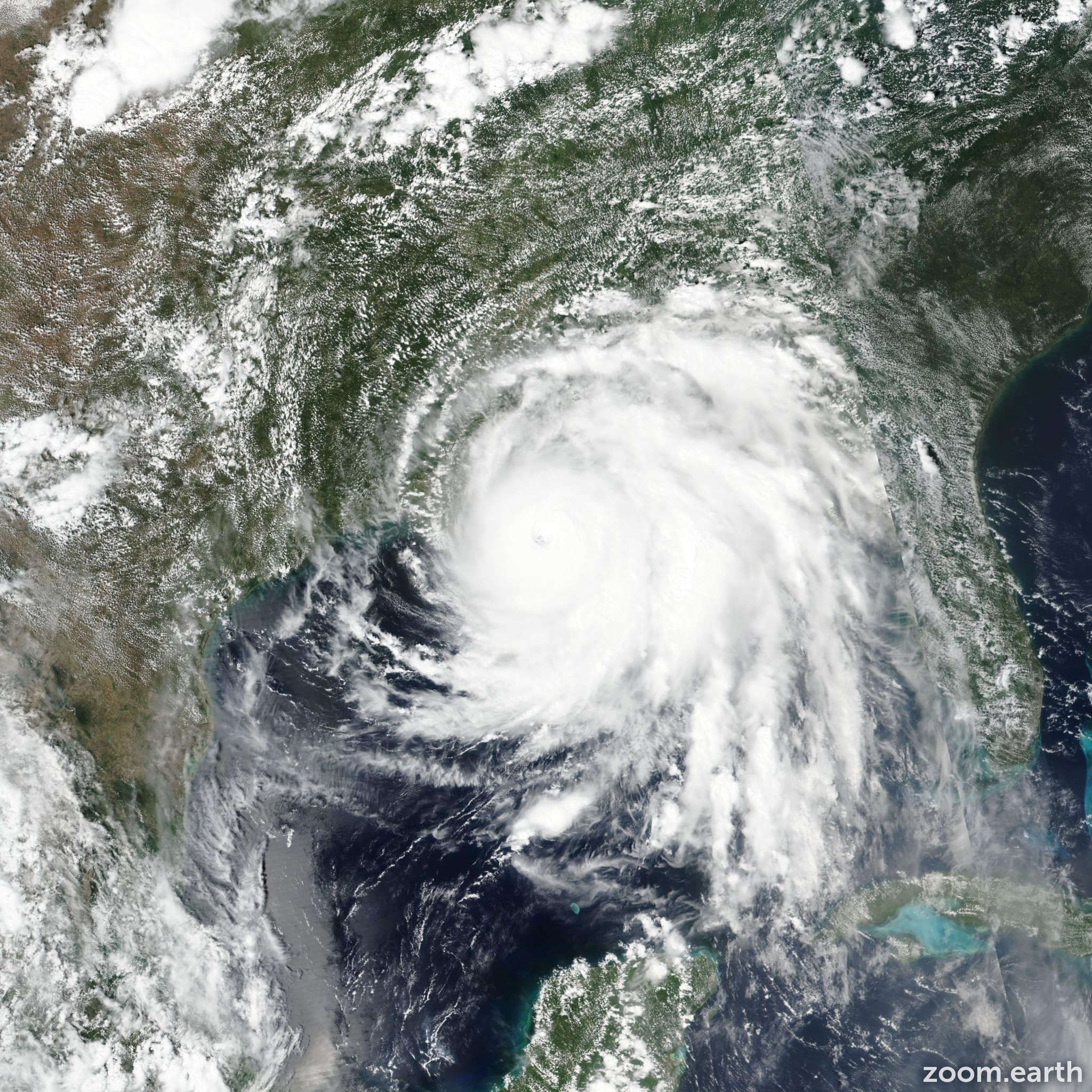
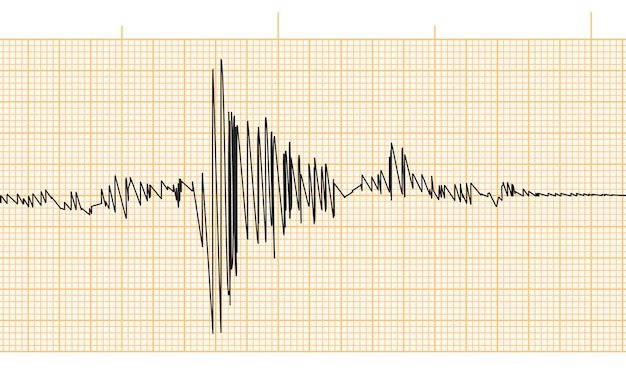
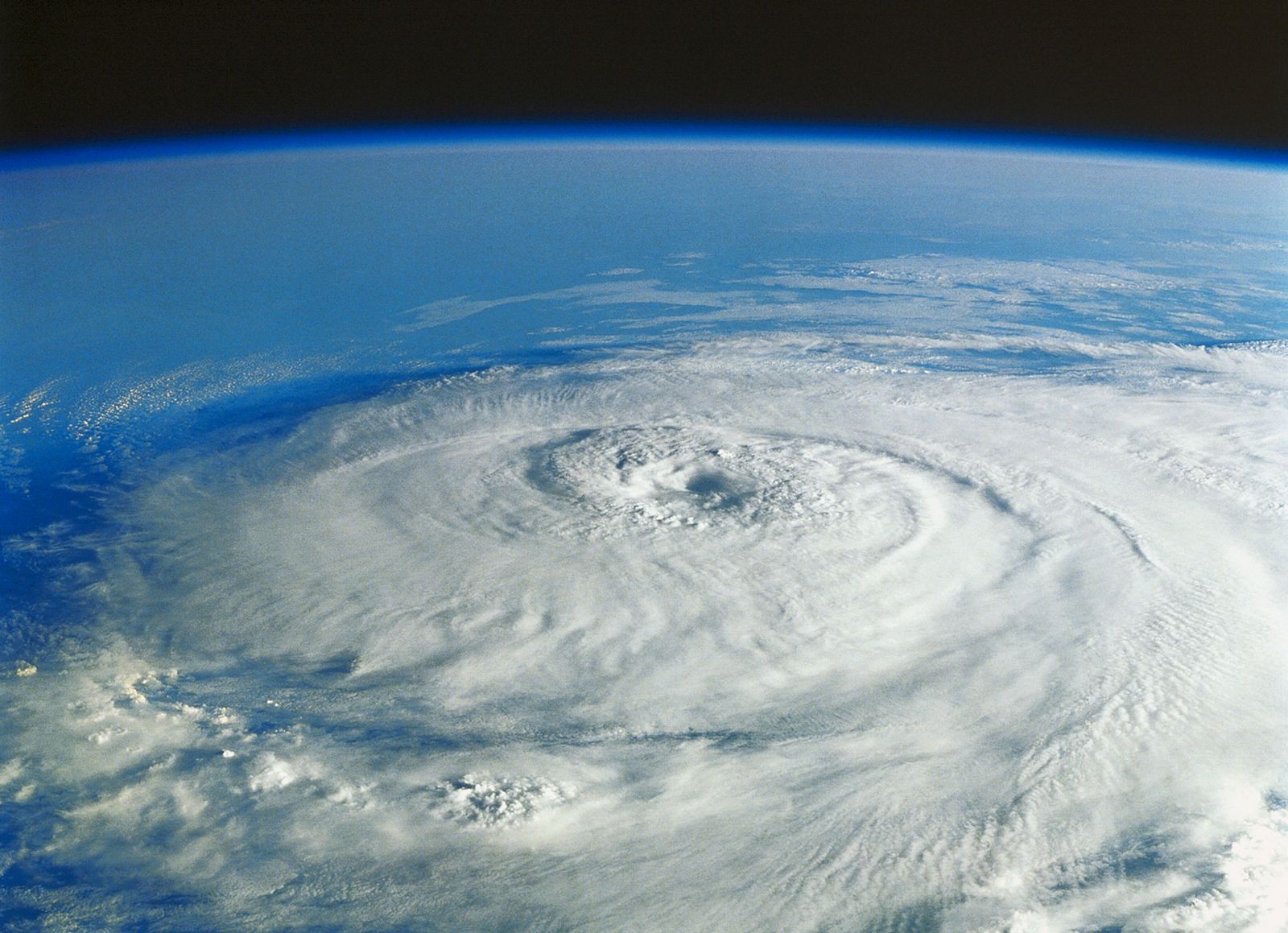
Prediction market traders are assigning a 27% probability to at least one major natural disaster occurring in 2026, based on a narrowly defined set of criteria: a Category 5 hurricane making US landfall, a meteor impact of 10 kilotons or larger, a volcanic eruption rated VEI 6 or higher, or an earthquake measuring 8.5 magnitude or above. The market has maintained steady at this level, with $215,600 in trading volume, suggesting broad consensus rather than recent conviction shifts.
Why It Matters
Natural disaster prediction markets serve as a quantifiable proxy for public assessment of extreme-event risk. The 27% figure reflects how traders balance two competing considerations: the recognized rarity of individually specified catastrophic events, and the statistical reality that at least one qualifying disaster typically occurs in any given year globally. For investors, insurers, and risk managers, such markets provide a benchmark for pricing tail risk and evaluating their own disaster preparedness assumptions.
Key Factors Driving the Probability
The odds reflect the compounding nature of multiple trigger events. Category 5 hurricanes make US landfall roughly once every 20-30 years on average, suggesting an annual probability around 3-5%. Major volcanic eruptions (VEI 6+) occur roughly once per decade globally, implying roughly 10% annual odds. Earthquakes above magnitude 8.5 happen several times per decade worldwide, offering odds in the 10-15% range. Meteor impacts of 10kt or larger are far rarer, estimated at multi-decade intervals. The combined probability of at least one event—treated probabilistically as independent occurrences—produces an outcome in the 25-35% range, consistent with current pricing.
Outlook
Key developments that could shift the market include updated seismic activity data, volcanic monitoring alerts that elevate eruption risk, or hurricane season forecasts that meaningfully adjust the probability of intense Atlantic basin activity. The market's steady state suggests traders view current conditions as baseline. Notably, the resolution window extends to February 2027 to accommodate verification delays, meaning final clarity on 2026 disaster occurrence may not arrive until well into next year. The relatively modest trading volume suggests limited institutional positioning, which could allow sharper price movements if new information emerges regarding any of the four trigger conditions.