Market Overview
Prediction market participants are pricing a relatively low likelihood—16.5%—that the CDC will identify a new COVID variant of concern between December 1, 2025, and December 31, 2026. The market has shown stable pricing over the past 24 hours with $237,330 in volume, suggesting a settled consensus among traders despite the broad timeframe and inherent biological unpredictability. The current odds imply roughly one-in-six odds of a significant new variant emerging within the specified window, a meaningful but not trivial risk assessment.
Why It Matters
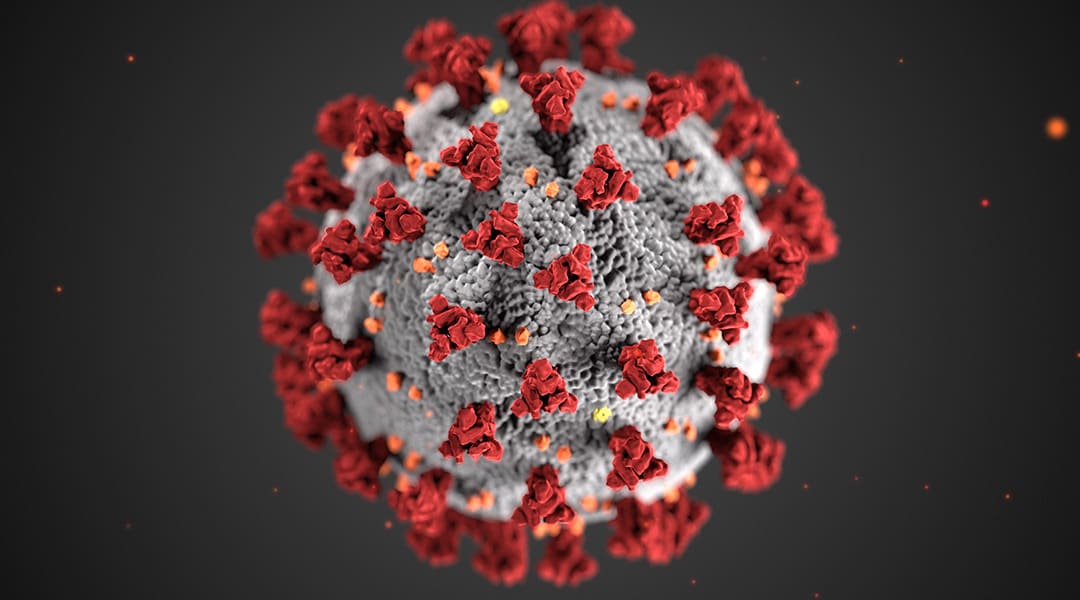
The emergence of a new CDC-designated variant of concern carries substantial implications for public health policy, healthcare systems, and economic activity. The CDC's formal variant classifications—currently applied to strains with increased transmissibility, severity, or immune evasion—serve as decision points for surveillance, treatment guidelines, and potential vaccine development priorities. Market pricing of this outcome reflects traders' expectations about viral evolution patterns, vaccination coverage, population immunity levels, and the thoroughness of global surveillance systems that detect mutations. Understanding this probability is relevant for healthcare planning, pharmaceutical strategy, and risk assessment by institutional investors exposed to pandemic-related volatility.
Key Factors Driving the Low Probability
The 16.5% pricing likely reflects several structural factors. First, widespread vaccination and prior infection have created substantial baseline immunity in many global populations, potentially slowing the evolution of variants with significant fitness advantages. Second, nearly four years of COVID circulation since the original outbreak have established endemic patterns; variants now emerge more frequently but often represent incremental rather than transformative changes to the virus. Third, the market may be pricing in improved real-world surveillance capabilities and scientific understanding of coronavirus evolution, which could increase detection of variants earlier in their circulation or reduce the likelihood that new strains meet the \"variant of concern\" threshold rather than remaining lesser-classified variants. Additionally, the specific 13-month resolution window may factor into probability—a shorter timeframe than the entire pandemic era, potentially reducing compound mutation risk.
Uncertainties and Downside Risks
Several factors could push the probability meaningfully higher. Large, immunologically naive populations in under-vaccinated regions could provide reservoirs for viral divergence. Zoonotic spillback events or recombination events remain possible biological scenarios that could produce variants with novel properties. The CDC's classification criteria themselves contain elements of judgment—a variant might exhibit properties that some experts consider concerning while falling short of formal CDC designation, creating ambiguity around resolution. Additionally, if global surveillance weakens or novel variants circulate silently in low-surveillance regions before detection, the true emergence date might differ from identification date. Market participants appear to be discounting these tail risks moderately rather than ignoring them entirely.
Outlook
Shift factors that could materially move this market include any announcements of unusual COVID clusters, emerging laboratory data suggesting novel variants with escape properties, or major changes in vaccination rates globally. Conversely, if 2026 progresses without significant variant identification and endemic COVID patterns stabilize further, the market would likely drift toward lower probabilities. The current 16.5% pricing represents a baseline expectation of viral stability tempered by acknowledgment of biological uncertainty—a reasonable middle ground that neither assumes COVID evolution has frozen nor treats variant emergence as probable. Traders should monitor CDC surveillance reports and peer-reviewed literature on circulating strains as the resolution window approaches.