Market Overview
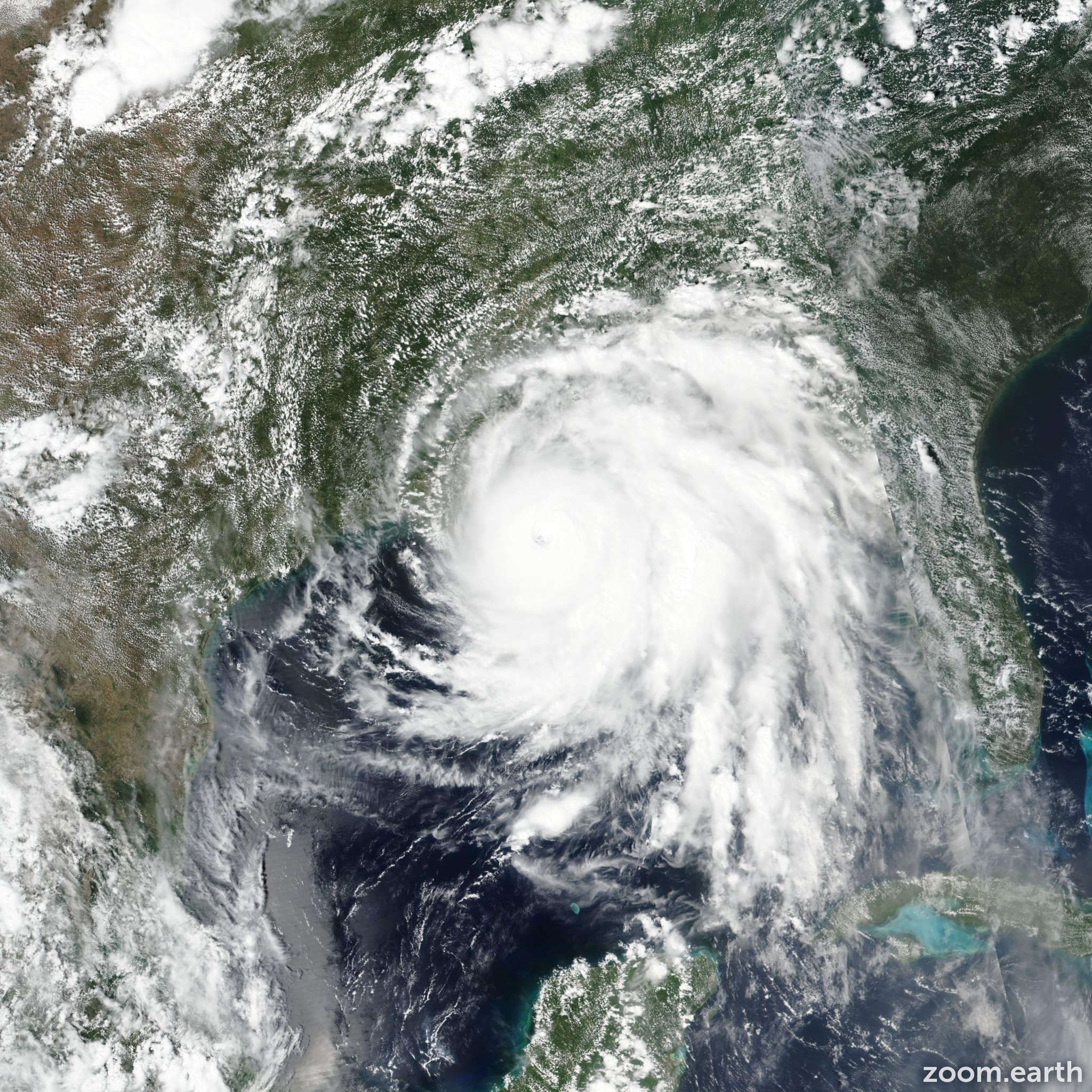
Prediction market participants are currently assigning a 35% probability to at least one Category 4 hurricane making landfall in the conterminous United States before January 1, 2027. The market has maintained this level consistently over the past 24 hours, with substantial trading volume of $326,300 indicating active engagement from weather and climate-focused traders. The two-year window covers the remainder of the 2024 Atlantic hurricane season and the entirety of the 2025 season, capturing a meaningful portion of peak activity periods.
Why It Matters
Category 4 hurricanes represent major hurricane strength with sustained winds of 130-156 mph—powerful storms capable of causing severe structural damage, lengthy power outages, and significant loss of life. While hurricanes making US landfall is relatively common, landfalls specifically at Category 4 strength are less frequent. The market probability reflects both historical frequency patterns and forward-looking assessments of climatic conditions. For residents in hurricane-prone regions and disaster preparedness officials, the 35% odds represent a material risk that warrants serious contingency planning even if a majority outcome (65%) suggests no Category 4 landfall will occur.
Key Factors
Several factors drive the market's current assessment. Historically, the continental US experiences Category 4 or 5 landfalls roughly once per decade on average, though with high variability year to year. Sea surface temperatures in the Atlantic and Gulf of Mexico—critical for hurricane intensification—will be a primary driver over the next two years. The strength of the Atlantic Multidecadal Oscillation and other long-term climate patterns influence seasonal activity, while individual year conditions such as El Niño or La Niña affects wind shear and atmospheric stability. Current climate trends showing warmer ocean temperatures may increase the proportion of storms that intensify to major hurricane strength, though other factors like wind shear can suppress overall frequency. The market's mid-range probability suggests traders view these various dynamics as roughly balanced between headwinds and tailwinds for major hurricane landfalls.
Outlook
The market is likely to experience gradual repricing as the 2024 Atlantic hurricane season concludes and seasonal forecasts for 2025 become available. Any particularly active seasons, significant tropical activity, or updated climate forecasting models could shift probabilities materially. The exact resolution criteria—reliance on initial National Hurricane Center advisories—adds clarity but means that borderline storms at the Category 3-4 boundary will carry particular importance. Traders should monitor late-season activity through the remainder of 2024 and early 2025 seasonal outlook releases from the National Oceanic and Atmospheric Administration, as these typically signal expected trends in Atlantic hurricane activity.