Market Overview
A prediction market covering potential kinetic military action against Iran's Isfahan Nuclear Technology Center has reached maximum probability, with traders assigning a 100% likelihood that the U.S. or Israel will conduct a strike on the facility by the end of March 2026. The market, which has generated $1.37 million in volume, shows consistent pricing at this level over the past 24 hours, indicating stable trader sentiment rather than reactive movement to breaking news.
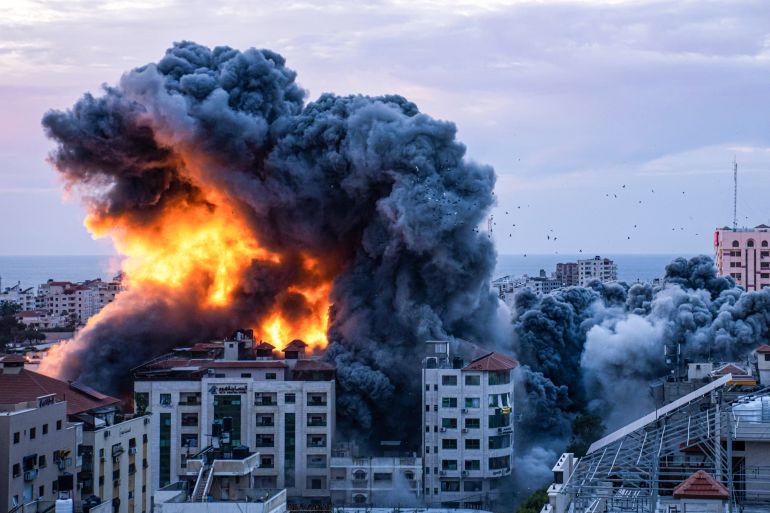
The market captures traders' assessments of whether a successful kinetic military operation—including drone strikes, missile attacks, aerial bombardment, or ground-level kinetic action—will target this specific Iranian nuclear facility within a 16-month window. Notably, intercepted or missed strikes would not trigger a \"Yes\" resolution, meaning the market reflects conviction in a completed, successful operation rather than mere military activity.
Why It Matters
The Isfahan Nuclear Technology Center represents a critical node in Iran's nuclear infrastructure. This facility has historically been central to Iran's uranium enrichment and centrifuge development programs, making it a frequent focal point in discussions of potential military strikes. The 100% market probability suggests traders view military action as all but inevitable given current geopolitical trajectories, though this represents market consensus rather than official assessments from government or intelligence agencies.
Key Factors
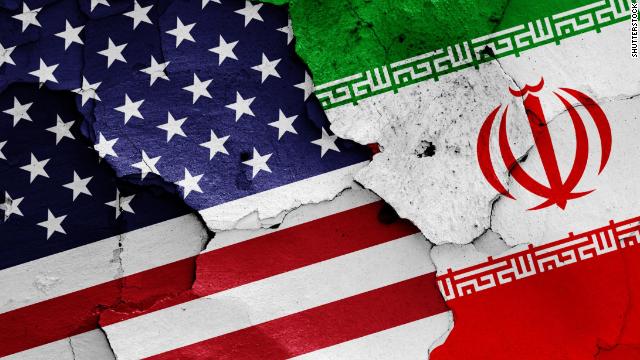
Several structural factors appear to be driving the maximum probability assessment. The history of escalating tensions between Iran, Israel, and the United States—punctuated by previous Israeli strikes on Iranian targets and Iranian missile attacks on Israel—has created an environment where traders assess military action as highly probable within the specified timeframe. The lengthy resolution window through March 2026 may amplify the probability, as it encompasses multiple potential flashpoints and policy shifts across U.S. and Israeli administrations.
The market's definition explicitly excludes cyber operations, sanctions, and diplomatic measures, focusing solely on kinetic strikes. This narrow scope means traders are not simply pricing in continued strategic competition, but rather betting on overt military action. The 100% assessment suggests the market has effectively priced in either a near-certain trajectory toward conflict or believes the resolution window is simply too long for complete avoidance of such action.
Outlook
Should this market eventually resolve to \"No,\" it would require sustained de-escalation efforts and meaningful diplomatic breakthroughs over the coming months. Such developments could include nuclear agreement renegotiations, confidence-building measures, or significant shifts in regional power dynamics. Conversely, any credible reporting of a successful Israeli or U.S. kinetic strike on the facility would trigger resolution to \"Yes.\" Given the market's current pricing, traders appear to view the status quo trajectory as inherently unstable, with military action viewed as a more probable outcome than prolonged civilian status quo within the specified timeframe.