Market Overview
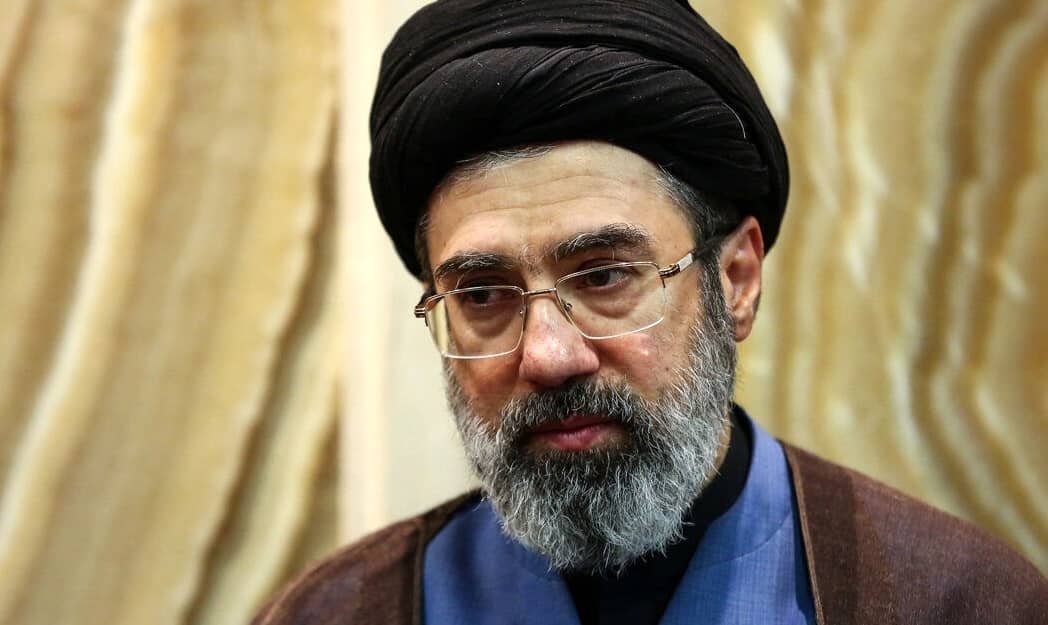
Prediction markets are assigning roughly one-in-three odds to a leadership change involving Mojtaba Khamenei, the designated successor to Supreme Leader Ayatollah Ali Khamenei, by year-end 2024. The 33.5% probability reflects meaningful market conviction that a transition is possible within the remaining timeframe, though traders are not pricing it as the base case. With $2.07 million in volume, the market has achieved sufficient liquidity to indicate serious price discovery. The probability has remained stable at 33.5% over the preceding 24 hours, suggesting the market has settled on a current equilibrium absent fresh catalysts.
Why It Matters
Mojtaba Khamenei's status as de facto leader is central to understanding Iran's political trajectory. As the son and presumed heir of the 85-year-old Supreme Leader, his position within the power structure affects both domestic Iranian politics and international relations. A leadership transition—whether forced removal, detention, or voluntary departure—would represent a significant disruption to Iran's institutional continuity and could reshape decision-making on nuclear negotiations, regional conflicts, and domestic reforms. Markets pricing a non-trivial probability of such a change reflect awareness that Iran's political system, while appearing stable from outside, contains internal tensions and succession risks that could crystallize rapidly.
Key Factors
Several structural factors appear to underpin the 33.5% probability. First, the advanced age of Supreme Leader Ayatollah Ali Khamenei (85) creates inherent succession uncertainty; any health crisis or death would immediately activate questions about Mojtaba's ability to consolidate power against rival factions within Iran's military, clerical, and intelligence establishments. Second, Iran's opaque internal politics means that power struggles often remain invisible to outside observers until suddenly surfacing through purges, arrests, or public confrontations. Third, the market definition—which counts detention, removal from power, or prevention from acting as de facto leader—captures a broader range of scenarios than merely formal succession, including potential internal security actions or factional conflicts. The lack of recent sharp movement suggests traders view this as a genuine uncertainty rather than a temporary premium, with no consensus on imminent catalysts but recognition that medium-term risks exist.
Outlook
Market watchers should monitor developments in Iran's internal elite dynamics, statements from military and Revolutionary Guard leadership regarding succession, and any changes in Mojtaba Khamenei's public profile or access to decision-making forums. Health announcements regarding the Supreme Leader, factional tensions emerging in state media, or international diplomatic signals regarding Iran's leadership could all shift the probability materially. The stable 24-hour price suggests the market has absorbed available information and is awaiting new developments; absent fresh trigger events, the 33.5% probability likely reflects traders' view of baseline succession risk in a system with significant opaqueness and internal competition for power.