Market Overview
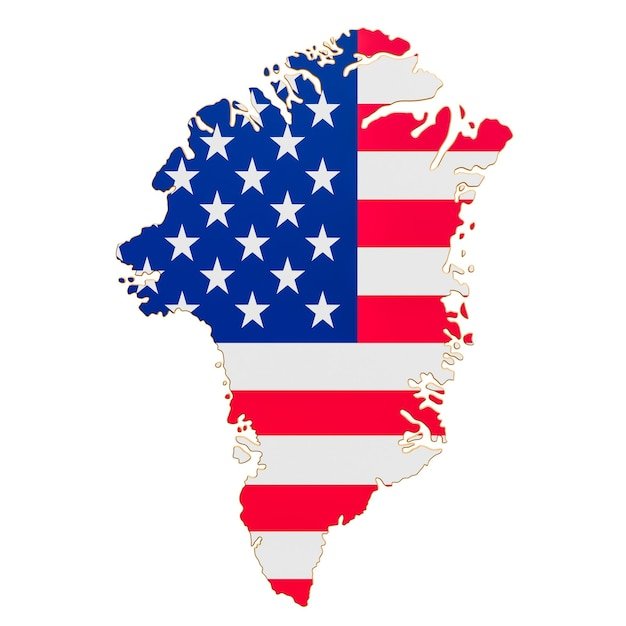
Prediction markets are currently assigning a 14% probability to U.S. acquisition of Greenlandic territory by December 31, 2026, with trading volume exceeding $9.6 million indicating substantial investor interest in the outcome. The probability has remained stable over the past 24 hours, suggesting the market has largely priced in available information and is awaiting concrete developments rather than reacting to recent announcements. This modest but non-negligible odds represent a meaningful acknowledgment of political risk while reflecting the significant hurdles required for such an acquisition to occur.
Why It Matters
The market reflects renewed U.S. strategic interest in Greenland, driven by Arctic geopolitical competition and the island's natural resources and geographic position. Any transfer of sovereignty or exclusive U.S. jurisdiction would represent a significant geopolitical realignment in the North Atlantic and would require unprecedented negotiations involving Denmark, which holds sovereignty, and Greenland's autonomous government. The resolution criteria demand binding legal instruments—not merely political statements or negotiations—making this a high bar to clear within the compressed 12-month timeframe.
Key Factors
The 14% probability reflects several structural constraints on acquisition. Denmark and Greenland have consistently and firmly rejected sovereignty transfer proposals, with Greenland's government emphasizing its path toward independence under Danish sovereignty rather than U.S. control. The political and diplomatic capital required to reverse these positions appears prohibitive within 12 months. Additionally, the market's resolution criteria specifically exclude non-binding statements, proposals, and frameworks—requiring instead signed treaties, legislation, or executive agreements establishing actual transfer of sovereignty or primary jurisdiction. Even optimistic assessments of U.S. interest must contend with Denmark's NATO membership and the diplomatic friction such an acquisition would generate among Western allies.
Outlook
For the probability to materially increase, markets would require substantive movement toward binding agreements—whether through high-level diplomatic breakthroughs, legislative action in the U.S. Congress, or formal treaty negotiations. The current 14% odds likely represent a baseline risk premium for tail scenarios involving dramatic geopolitical shifts, major changes in Greenlandic or Danish political leadership, or unforeseen strategic circumstances rather than consensus expectations of imminent transfer negotiations. The stable probability over time suggests traders view the probability as appropriately calibrated given current conditions, with movement dependent on concrete diplomatic progress rather than political rhetoric alone.