Market Overview
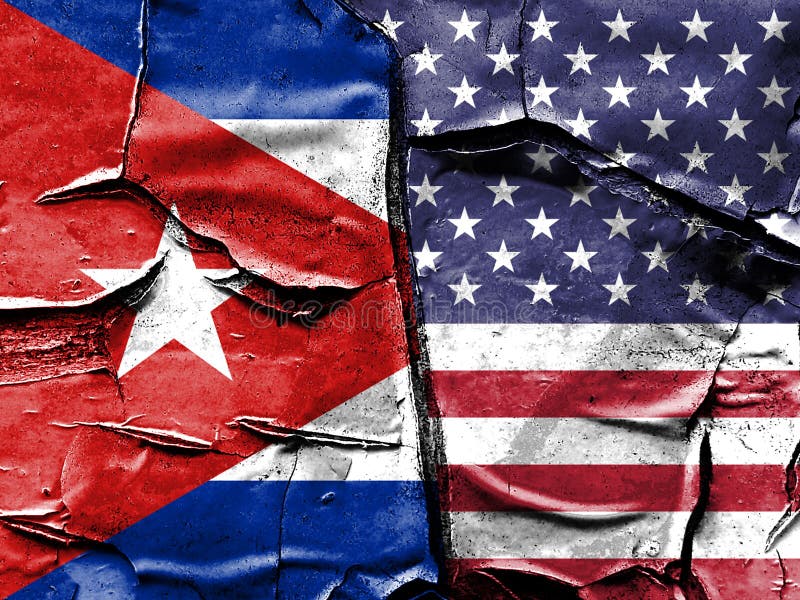
Prediction market participants are currently pricing the probability of a U.S. military invasion of Cuba in 2026 at 26.5%, based on $1.53 million in trading volume. The market has maintained this level of probability over the past 24 hours, suggesting a relatively stable consensus among traders. The resolution criteria are narrowly defined: the market resolves \"Yes\" only if the United States commences a military offensive intended to establish control over any portion of Cuban territory by December 31, 2026. The threshold for invasion versus other military operations is substantive and unambiguous, reducing interpretive disputes at resolution.
Why It Matters
Cuba remains one of the few countries with which the United States maintains no formal diplomatic framework, and tensions periodically resurface around issues including migration, interference allegations, and regional influence. A one-in-four probability assigned to an invasion scenario indicates that market participants view such an outcome as material but unlikely—far from a base case, yet non-negligible. The probability reflects a combination of historical precedent (the Bay of Pigs invasion in 1961 and broader Cold War military considerations), current geopolitical dynamics, and the theoretical possibility of acute triggering events that could shift U.S. policy toward military action.
Key Factors
Several structural factors underpin the current pricing. First, U.S. military doctrine and strategic priorities have shifted substantially away from major power interventions in the Western Hemisphere since the Cold War, suggesting a lower baseline probability. Second, the current political environment in Washington shows no mainstream consensus for military action against Cuba, and such an operation would require Congressional authorization under the War Powers Act, raising institutional friction. Third, international law and regional opposition would present significant diplomatic costs. However, tail risks remain: a domestic political crisis in Cuba that destabilized the government, a major terrorist attack traced to Cuban actors, or a dramatic escalation in U.S.-Cuba tensions could substantially alter the calculus. The market's assignment of over one-quarter probability may reflect uncertainty about black swan scenarios rather than consensus expectation of imminent conflict.