Market Overview
A high-volume prediction market focused on potential military action against Iran's Isfahan Nuclear Technology Center is currently priced at 100% probability of an attack occurring between now and March 31, 2026. With nearly $1.4 million in trading volume, the market shows sustained conviction at this extreme probability level, indicating that traders believe a kinetic strike by Israel or the United States is virtually certain within the 15-month timeframe.
Why It Matters
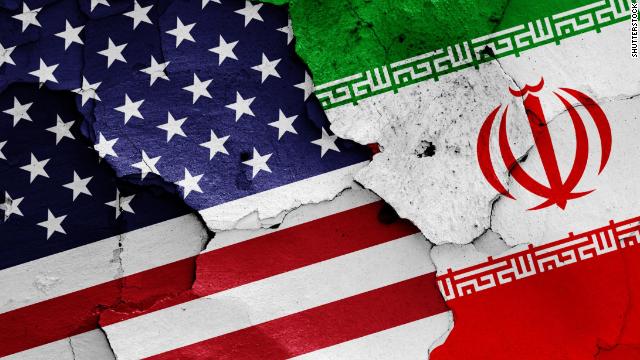
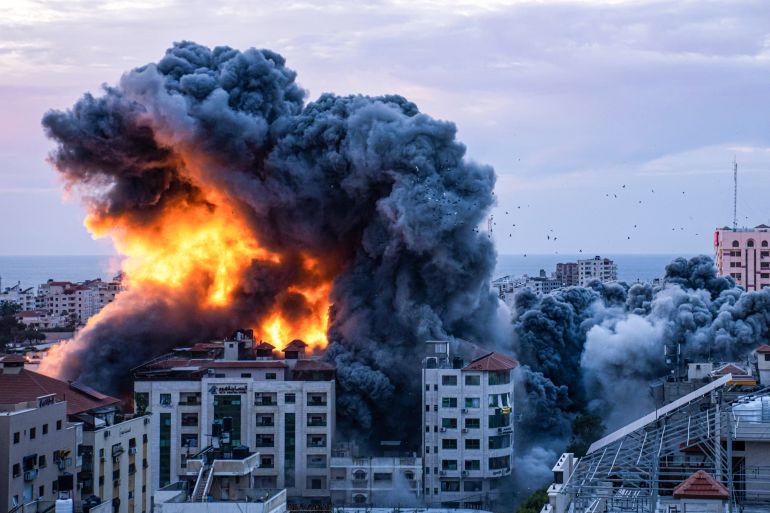
The Isfahan Nuclear Technology Center represents a critical component of Iran's nuclear infrastructure and has long been identified as a potential target by both Israeli and U.S. policymakers concerned with Iran's nuclear advancement. Military action against Iranian nuclear facilities would represent a significant escalation in Middle Eastern conflict dynamics, with potential ramifications for global energy markets, regional stability, and broader U.S.-Iran relations. The market's certainty assignment carries implications for how participants assess current geopolitical trajectories and the credibility of deterrence mechanisms.
Key Factors Driving the Probability
Several factors appear to underpin the market's maximal pricing. Historical precedent looms large: Israel conducted a confirmed airstrike on Iraq's Osirak nuclear reactor in 1981 and has conducted multiple operations against Iranian nuclear facilities and assets in recent years. The current regional security environment remains volatile, with ongoing Israeli military operations in the Middle East and recurring cycles of escalation with Iran. Additionally, the market may reflect assessments that either the incoming or current U.S. administration views nuclear-armed Iran as an unacceptable outcome, making preventive action more probable than the base rate of major military operations would typically suggest.
The resolution criteria specify that successful strikes count, while intercepted or missed strikes do not. This distinction is meaningful: given Iran's air defense capabilities and the technical challenges of deep strikes into Iranian territory, market participants appear to be betting not merely on an attempted operation but on a completed one that achieves its target.
Outlook and Uncertainties
While the market's 100% pricing reflects strong conviction, several developments could test this assessment. Diplomatic breakthroughs, changes in U.S. administration posture toward Iran negotiations, or Iranian concessions on nuclear development could reduce strike probability. Conversely, confirmation of advanced Iranian nuclear weapons progress or a major escalatory event could reinforce the current pricing. The market's extreme probability warrants scrutiny: prediction markets occasionally misprice tail events, and the certainty pricing here may reflect either genuine assessments of imminent action or potential miscalibration of low-probability-but-high-impact scenarios. Traders should monitor regional military posturing, diplomatic channels, and intelligence assessments as barometers of whether this pricing remains justified through the contract's expiration.