Market Overview
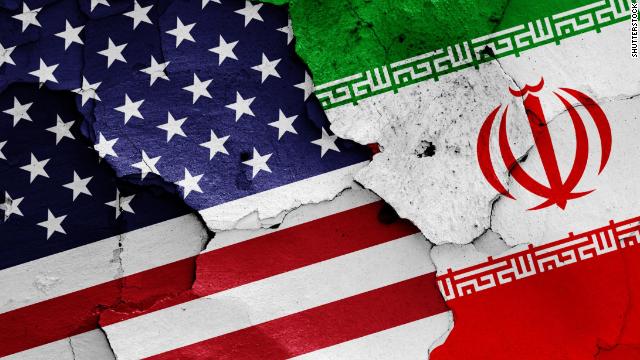
Prediction market traders have priced the probability of active US military personnel physically entering Iranian territory by year-end at just 0.7%, with the market showing remarkable stability over the past 24 hours. The $17.9 million in trading volume indicates substantial participation despite the extremely low odds, suggesting either consistent conviction among traders or ongoing hedging activity by those monitoring geopolitical risk.
The resolution criteria are narrowly defined: only active-duty military personnel (including special operations forces) count as qualifying entries, while intelligence operatives, military advisors, contractors, and diplomats are explicitly excluded. Entry must occur on terrestrial Iranian soil; airspace and maritime territory do not qualify. This specificity reflects the distinction between covert operations, advisory missions, and conventional military invasion.
Why It Matters
Direct US military ground invasion of Iran would represent a dramatic escalation in Middle Eastern conflict and a fundamental shift in US military posture. Such action would likely trigger significant regional instability, affect global oil markets, and carry major implications for US foreign policy. The near-certainty priced into the market reflects both historical precedent and current strategic assessments that avoid such direct confrontation, despite periodic tensions between the two nations.
Key Factors
Several factors support the low probability assessment. First, the diplomatic and military costs of ground invasion remain prohibitive, particularly given lessons from Iraq and Afghanistan. Second, current US military doctrine in the region emphasizes air operations, naval presence, and support for regional allies rather than direct ground entry. Third, no recent developments suggest imminent military escalation beyond existing tensions over nuclear negotiations and regional proxy conflicts.
The exclusion of special operations forces and intelligence operatives from casual consideration—implicitly assumed unlikely through the narrow resolution criteria—suggests market participants view even limited or covert ground incursions as highly improbable within the timeframe. The market also appears to discount scenario planning that occasionally surfaces in policy discussions.
Outlook
For the market to shift substantially, a major geopolitical event would be required: a direct Iranian attack on US personnel or assets, a significant escalation in proxy conflicts, or a dramatic policy shift. Short of such catalyst events, the market may remain anchored near current levels through year-end. The high trading volume despite extreme probabilities suggests ongoing interest in this tail risk, even among traders who assess it as remote.