Market Overview
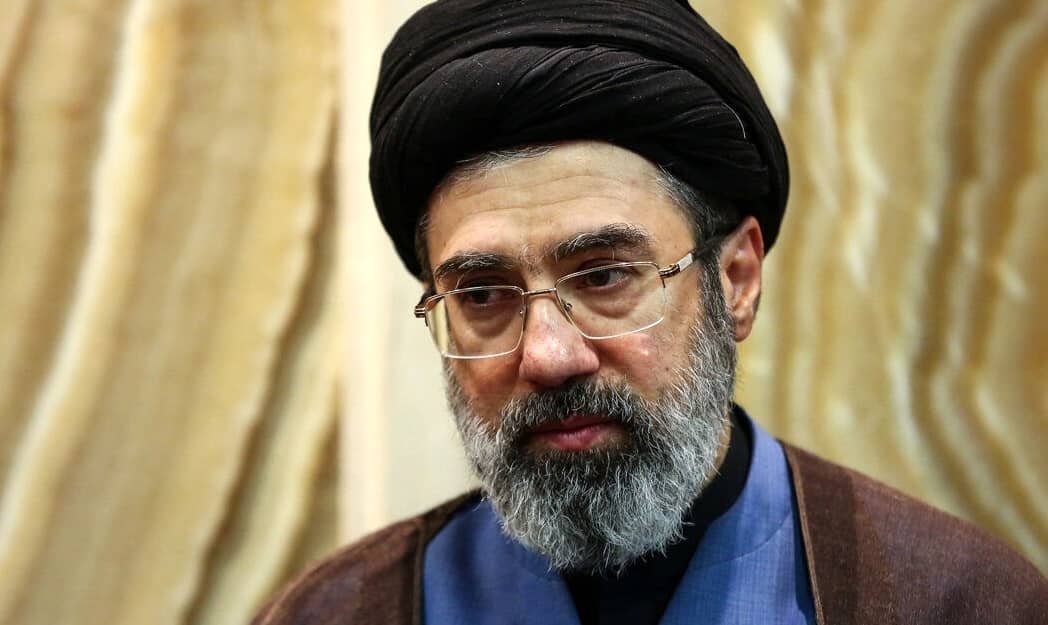
Prediction markets are assigning a roughly one-in-three probability to a change in Iran's top leadership by December 31, with Mojtaba Khamenei's position as the country's de facto supreme leader appearing vulnerable enough to warrant significant betting interest. The market has drawn $2.08 million in volume, indicating substantial engagement with the question despite the absence of sharp recent price movement. The current 33.5% probability reflects material uncertainty about the stability of Iran's power structure over the coming months, well above what might be expected in a period of ordinary political continuity.
Why It Matters
The question hinges on whether Mojtaba Khamenei, the son of longtime Supreme Leader Ayatollah Ali Khamenei who has increasingly concentrated power in recent years, will retain his position as the effective head of state. A succession event would represent one of the most significant geopolitical shifts in the Middle East, with implications for Iran's foreign policy, regional stability, and the trajectory of its nuclear program. The market's treatment of this scenario carries weight because prediction markets often aggregate dispersed information and specialist knowledge more efficiently than traditional polling or expert forecasts, particularly on questions where official statements are unreliable or unavailable.
Key Factors
Several dynamics underpin the current pricing. Iran faces persistent economic pressures, widespread public discontent over living standards and political freedoms, and factional tensions within the ruling elite. Recent years have seen protests and periodic unrest, most notably following Mahsa Amini's death in 2022, which tested regime stability. Mojtaba Khamenei's relatively rapid consolidation of authority—including increasing control over security apparatus and economic institutions—has generated friction with rival power centers and may have intensified succession speculation. Additionally, the advanced age of the current Supreme Leader raises questions about the timing and mechanics of an eventual transition, though any near-term change in the de facto leadership would likely occur through internal power struggles or destabilization rather than a planned succession process. International pressure, sanctions, and military tensions also create unpredictability. However, the regime has historically demonstrated resilience in managing internal crises, and a third-of-the-time baseline suggests considerable skepticism about near-term regime collapse among market participants.
Outlook
The market will likely remain sensitive to news from Iran related to factional disputes, security incidents, mass protests, or statements from rival power centers. Escalating economic hardship, evidence of rifts within the Revolutionary Guards or clerical establishment, or international military confrontation could shift odds higher. Conversely, consolidation of Mojtaba Khamenei's control, successful suppression of dissent, or stabilizing economic signals could lower the probability toward the low double digits. The question's resolution criteria—requiring that Khamenei cease to be the de facto leader through removal, detention, or loss of position—sets a relatively high bar; a formal resignation or removal announcement would suffice, but the absence of transparency in Iranian succession politics means the actual trigger event may be ambiguous until after the fact. Over a nine-month window, the current pricing appears calibrated to reflect genuine structural vulnerability in Iran's leadership while acknowledging the regime's demonstrated capacity for institutional survival.