Market Overview
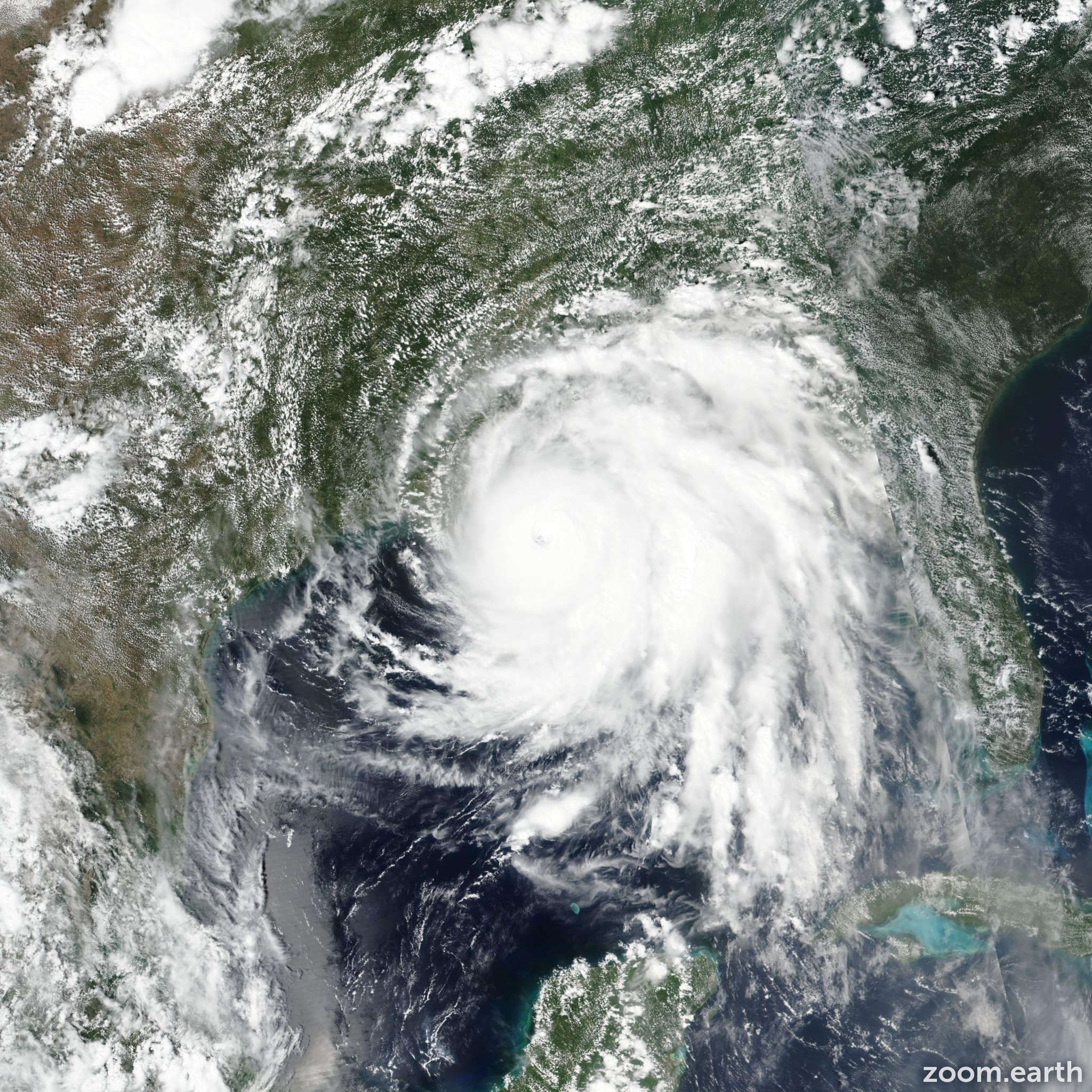
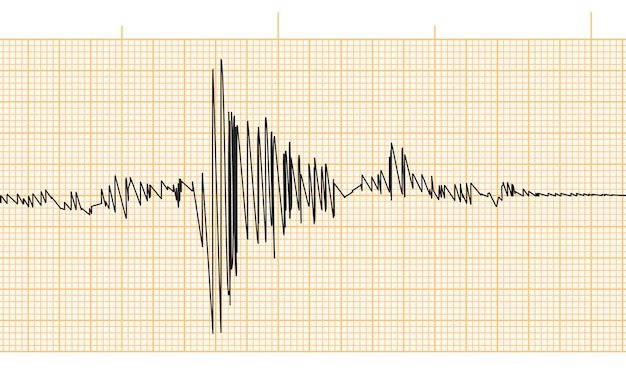
The natural disaster prediction market for 2026 is currently trading at 27% probability, indicating roughly a one-in-four chance that at least one qualifying catastrophic event will occur during the year. The market has shown stability, with the probability unchanged from 24 hours prior despite $215,647 in trading volume, suggesting participants have reached some equilibrium around this valuation. The contract covers four distinct categories of extreme natural events: U.S. landfall by a Category 5 hurricane, a meteor impact of 10 kilotons or greater, a volcanic eruption rated VEI 6 or higher, and an earthquake measuring 8.5 magnitude or above.
Why It Matters
This market essentially prices aggregate tail risk across multiple rare but devastating phenomena. While each individual event carries low baseline probability in any given year, the market bundles them together, creating a broader gauge of extreme natural disaster risk. For risk managers, climate analysts, and those concerned with systemic resilience, the 27% valuation serves as a crowdsourced estimate of cumulative catastrophic risk—a metric that professional insurers and disaster preparedness agencies monitor closely. The market also reflects how prediction market participants weigh historical frequency data against emerging climate trends.
Key Factors
Several factors influence the current pricing. Historically, Category 5 hurricanes make U.S. landfall roughly once per decade on average, making a 2026 occurrence plausible but not highly probable. Major volcanic eruptions (VEI 6+) occur globally once per century on average, pricing in extremely low odds. Earthquakes of 8.5+ magnitude are similarly rare, occurring roughly once per decade worldwide, with U.S.-specific impact dependent on location. Meteor strikes of 10+ kilotons are exceptionally rare over human timescales, though not impossible. The 27% probability suggests market participants are weighting these events roughly proportional to their historical frequencies while potentially adjusting upward for factors like climate-driven changes in hurricane intensity or seismic monitoring uncertainty.
Outlook
The market's stability at 27% indicates no recent major developments have shifted sentiment meaningfully. Movements would likely be triggered by real-time events—such as an unusually active hurricane season forming by mid-2026, notable volcanic activity, or significant seismic events elsewhere—that would prompt recalibration of baseline probabilities. The contract's resolution period extends to February 28, 2027, allowing for verification of scientific data from authoritative sources. Traders should monitor Atlantic hurricane season forecasts (issued annually in May) and USGS earthquake and volcano alerts as primary catalysts that could reshape probabilities during 2026 itself.