Market Overview
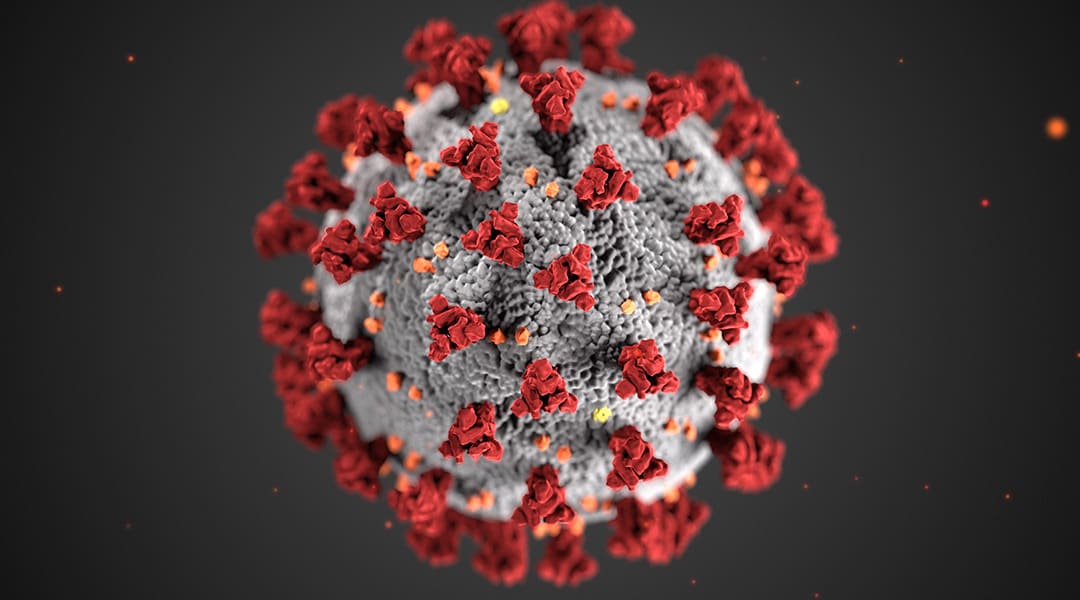
Prediction market traders are assigning a relatively low probability to the emergence of a CDC-designated COVID variant of concern within the next 12 months, with the market currently pricing the event at 16.5%. The stable probability over the past day, combined with substantial trading volume of $237,330, suggests a settled consensus among market participants rather than reactive positioning. The resolution window spans the entirety of 2026, requiring official CDC classification of a new variant meeting the agency's technical criteria for designation.
Why It Matters
The identification of new COVID variants of concern carries significant implications for public health policy, vaccine development priorities, and pandemic preparedness. The CDC's variant classification represents a formal recognition that a strain has demonstrated increased transmissibility, severity, or immune evasion compared to circulating variants. Market pricing on this question reflects broader assessments of pandemic trajectory and viral evolution risk, with potential spillover effects on related markets covering vaccine demand, travel restrictions, or public health spending.
Key Factors Driving the Low Probability
Several factors appear to underpin the market's subdued assessment. More than five years into the pandemic, SARS-CoV-2 has achieved significant endemic status in most populations, with widespread population immunity from vaccination and prior infection reducing selective pressure for dramatically divergent variants. The virus has already generated multiple recognized variants of concern—including Alpha, Delta, and Omicron—suggesting that evolutionary innovation may be following a more predictable pattern. Additionally, improved genomic surveillance infrastructure allows earlier detection but also reflects that novel variants have become less surprising to epidemiologists. The 16.5% probability implies traders see an 83.5% chance the virus's evolution during 2026 produces no CDC-designated variant of concern, a baseline that may reflect confidence in current immunity levels or skepticism about variant classification criteria being triggered again in the near term.
Outlook and Potential Shifts
Market probability could shift materially based on several developments. Emergence of a significantly novel variant detected through international surveillance before formal CDC designation would likely increase odds. Conversely, continued evidence of endemic stability or declining COVID prevalence could further compress probability. Changes to CDC variant classification criteria—loosening or tightening the scientific thresholds required for formal designation—could reframe market interpretation of the underlying question. Traders should monitor global sequencing data and WHO variant assessments as indirect signals, though the market specifically requires CDC identification, creating potential divergence if international bodies flag concerning variants that the U.S. agency does not formally designate.