Market Overview
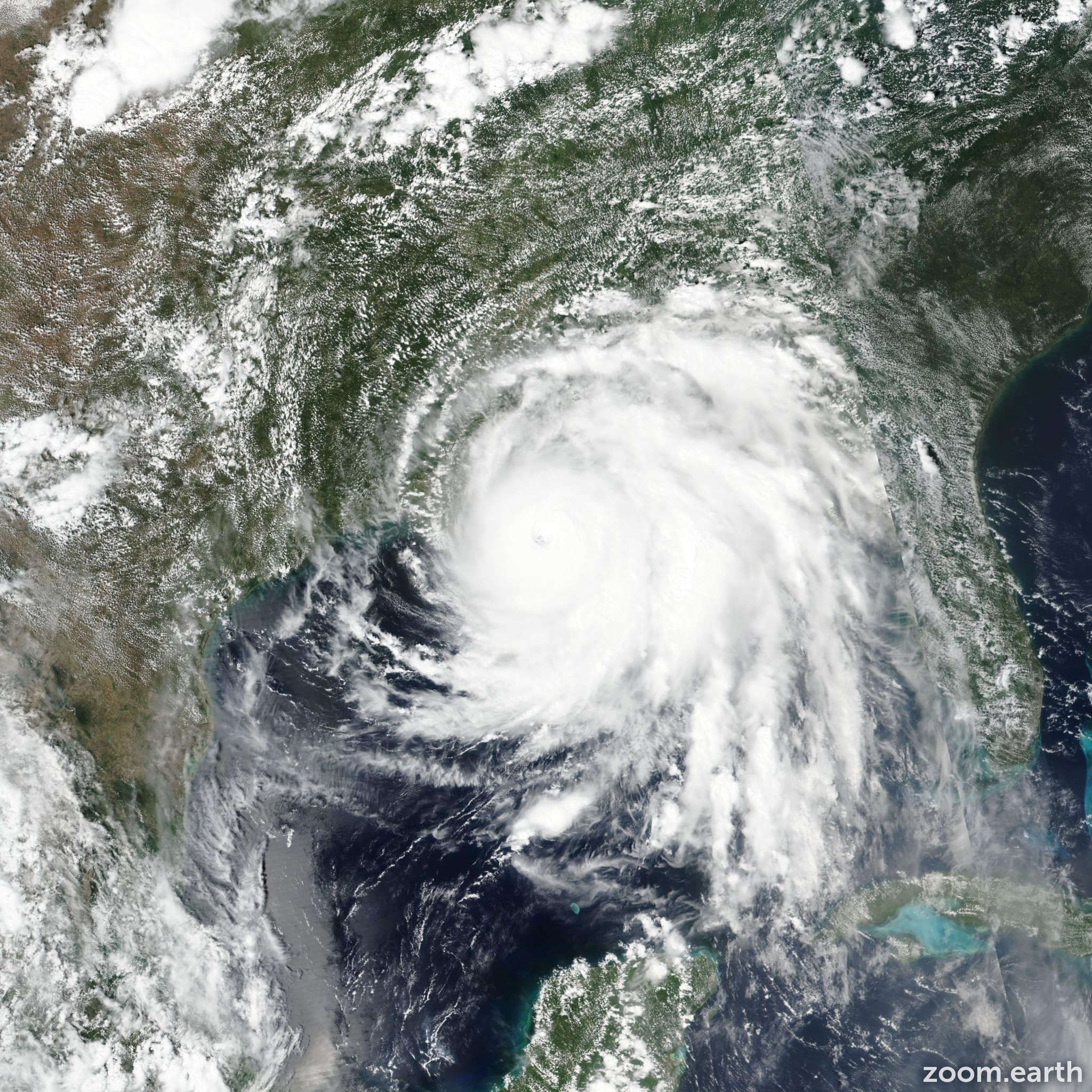
Prediction markets currently assess the probability of a Category 4 hurricane making landfall in the conterminous United States before 2027 at 35%, with trading volume of $326,300 indicating moderate liquidity and participant interest. The market has held stable at this level over the past 24 hours, suggesting the pricing reflects a considered consensus rather than reaction to recent events or seasonal shifts.
Why It Matters
Category 4 hurricanes represent a distinct tier of severe weather—winds of 130-156 mph capable of extreme damage—and their potential US landfall carries significant implications for disaster preparedness, insurance markets, and climate-related risk assessment. The roughly one-in-three odds embedded in current pricing suggest substantial but not overwhelming concern about such an event occurring within the approximately two-year window through December 2026. Understanding how markets price this risk provides insight into how professional risk assessors weigh historical patterns against contemporary conditions.
Key Factors Driving Probability
Historical frequency forms the foundation of this estimate. The United States has experienced Category 4 landfalls with irregular but notable regularity—events like Hurricane Andrew (1992) and Hurricane Charley (2004) occur roughly once every 10-15 years on average, though clustering and dry spells complicate prediction. The market's 35% probability for a roughly 24-month window aligns with this historical baseline, adjusted for the shorter timeframe and acknowledgment of natural variability in hurricane activity.
Climate and seasonal factors also influence the pricing. Atlantic hurricane activity fluctuates with ocean temperatures, atmospheric patterns, and the Atlantic Multidecadal Oscillation. Current ocean conditions and forecasts for the 2024-2026 Atlantic hurricane seasons will shape participant expectations. Additionally, the market definition's reliance on initial National Hurricane Center advisories—rather than post-event analysis—adds a layer of specificity that traders must account for, as re-analysis occasionally adjusts historical storm classifications.
Outlook
The market is likely to experience gradual repricing as the 2024 and 2025 hurricane seasons unfold and actual activity becomes data points for forecasting 2026. A particularly active season producing multiple major hurricanes could shift odds higher, while several quiet seasons might compress them lower. The market's current stability suggests participants have settled on a probability view grounded in historical precedent, pending new seasonal information. Traders monitoring this contract should watch National Hurricane Center seasonal outlooks and real-time activity as key drivers of future movement.