What Happened
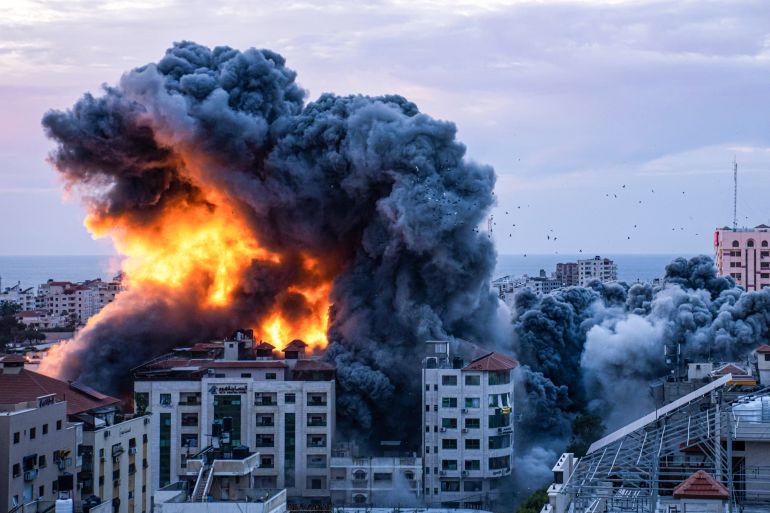
A prediction market tracking the likelihood of a U.S. or Israeli kinetic military strike against Iran's Isfahan Nuclear Technology Center experienced a sharp 15.6 percentage point move, climbing from 12.4% to 28.0% implied probability. The shift occurred amid $110,819 in trading volume, indicating significant capital deployment behind the directional view. The market's resolution criteria are explicit: only direct kinetic strikes—including drone, missile, aerial, or ground operations—count toward a \"Yes\" resolution through March 31, 2026, with intercepted or missed strikes excluded.
Why It Matters
The doubling of strike probability in a real-money prediction market reflects traders' assessment that the likelihood of military escalation against Iran's nuclear program has meaningfully increased. Isfahan houses one of Iran's primary nuclear technology facilities and has been a focal point in discussions about Iranian nuclear capabilities. A move of this magnitude on a geopolitically consequential question—particularly one with direct implications for regional stability and oil markets—signals that market participants are incorporating material new information about U.S. or Israeli military posture or willingness to conduct such operations.
Market Context
Prediction markets on geopolitical events typically move on hard information: official statements, military positioning, diplomatic breakdowns, or significant international incidents. The 15.6 percentage point surge represents not merely a tactical rebalancing but a substantial repricing of tail risk. At 28%, the market is pricing roughly 1-in-3.6 odds of a strike occurring over the next 15 months. This elevated probability level suggests traders are responding to conditions they assess as meaningfully more conducive to military action than the baseline 12.4% implied just before the move.
Outlook
The market's trajectory will likely remain sensitive to developments in U.S.-Iran diplomacy, Israeli military statements, Iranian nuclear program advances, and broader Middle Eastern security dynamics. Subsequent trading activity will serve as a real-time indicator of how new information alters assessments of strike likelihood. Traders should monitor official communications from U.S. and Israeli defense officials, International Atomic Energy Agency reports on Iranian nuclear activity, and any significant military deployments in the region, all of which could trigger further repricing in either direction.