Market Overview
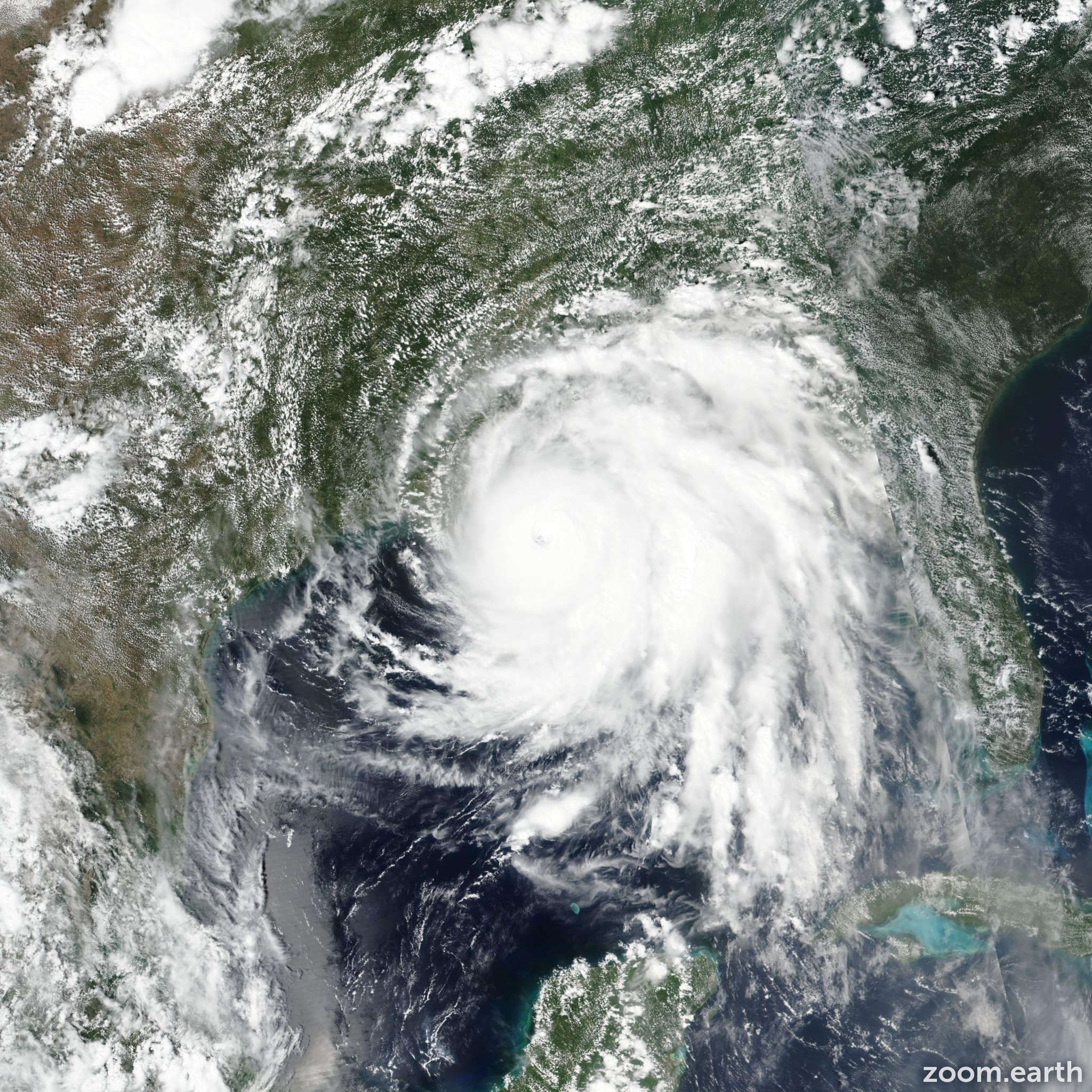
The natural disaster prediction market has established itself at a 27% probability, with roughly $216,000 in trading volume. This price point suggests traders view the combined occurrence of at least one major catastrophic event during 2026 as somewhat more likely than not, though still a minority outcome. The market specification encompasses four distinct hazard categories, each with specific magnitude thresholds: a Category 5 hurricane making US landfall, a meteor impact of 10 kilotons or greater, a volcanic eruption rated VEI 6 or higher, or an earthquake exceeding magnitude 8.5.
Why It Matters
Natural disaster prediction markets serve as aggregate assessments of scientific risk across multiple low-probability, high-impact events. The 27% figure represents a combined probability across four independent geological and meteorological hazards that, while individually rare, collectively occur with measurable frequency over multi-year periods. Understanding how prediction market participants price these tail risks provides insight into public perception of natural hazard frequency relative to historical baselines and scientific consensus estimates.
Key Factors
Several factors likely influence the current pricing. Historical frequency data shows Category 5 hurricanes making US landfall occur roughly every 5-10 years on average, suggesting a non-trivial annual probability. Major volcanic eruptions (VEI 6+) occur approximately once per century globally, translating to roughly a 1% annual probability. Significant meteor strikes of 10kt+ energy occur with estimated frequencies around 1-2 per century. Earthquakes exceeding 8.5 magnitude occur on average once per 10-15 years globally, though US-specific strike probabilities are lower. These individual probabilities, when combined probabilistically and adjusted for market sentiment, could reasonably yield a 27% aggregate outcome estimate.
Market Participants' View
The current pricing implies traders believe there is approximately a three-in-four chance that 2026 will pass without any of these four catastrophic events occurring. The stable pricing across the 24-hour measurement period suggests the market has found equilibrium without recent catalysts driving directional movement. Traders appear to be pricing baseline scientific consensus regarding natural hazard frequency rather than responding to elevated seasonal risk or recent precursor events.
Outlook
The market will likely remain sensitive to real-time developments including hurricane season progression (peak June-November), volcanic activity monitoring updates from major systems like Yellowstone or Campi Flegrei, and significant seismic events that could shift perceived earthquake risk. The extended resolution deadline through February 2027 provides time for complete data collection on all specified hazard categories. Major shifts in probability would likely require either elevated scientific warnings regarding specific hazards or the occurrence of one qualifying event early in 2026, which would resolve the market immediately.