Market Overview
Prediction markets are assigning a relatively low probability of 16.5% to the emergence of a new CDC-designated variant of concern (VOC) between December 2025 and the end of 2026. This probability suggests traders view such an outcome as unlikely but not improbable over a 12-month window. With $237,330 in trading volume and stable pricing over the past day, the market reflects a measured consensus rather than volatile sentiment swings.
Why It Matters
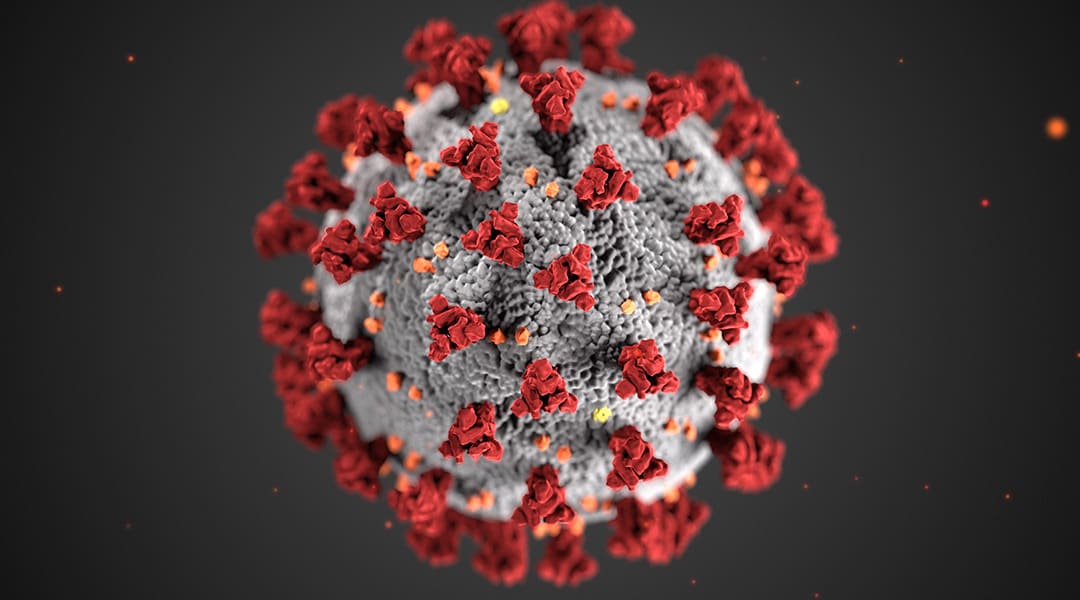
The emergence of a new COVID variant of concern carries significant implications for public health policy, vaccine development priorities, and economic planning. A VOC designation—the CDC's highest classification for variants requiring heightened surveillance—would signal that a new strain has demonstrated increased transmissibility, virulence, immune evasion, or diagnostic/therapeutic challenges. Such a development could trigger rapid policy responses including booster campaigns, treatment modifications, and renewed restrictions in certain sectors. The market's relatively low odds suggest traders believe the risk environment has stabilized compared to 2020-2023, when multiple VOCs emerged in quick succession.
Key Factors
Several dynamics shape current market pricing. First, COVID-19 has become endemic rather than pandemic in most developed economies, with sustained immunity from vaccination and prior infections creating a higher barrier for variant emergence to trigger policy-relevant concern. Second, global surveillance systems remain active but have contracted from pandemic peaks, potentially affecting detection probability. Third, the virus continues circulating at lower levels globally, providing ongoing opportunities for mutation and recombination, though at reduced evolutionary pressure compared to earlier periods of unchecked spread. Historical precedent cuts both ways: SARS-CoV-2 has surprised researchers with new variants (Omicron appeared suddenly in late 2021), yet the absence of major VOCs since early 2023 suggests the virus may be stabilizing evolutionarily or that population immunity is constraining dangerous variants. The 16.5% probability reflects these competing considerations—acknowledging continued risk without assuming variant emergence is imminent.
Outlook
Market movements would likely respond to shifts in several factors: detection of a novel variant with concerning properties in international surveillance databases, changes in COVID hospitalization or mortality trends suggesting immune escape, or major transmission surges in densely populated regions with lower vaccination coverage. Conversely, sustained periods of stable epidemiology with no notable variant signals could gradually reduce the probability further. Traders should monitor CDC variant tracking reports and global sequencing data; the resolution hinges on formal CDC designation rather than media speculation or academic papers alone.