Market Overview
The prediction market for a Category 4 hurricane (130-156 mph sustained winds) making US landfall before 2027 is currently trading at 35%, indicating traders view the event as more likely than not to be avoided over the forecast period, yet far from negligible. The market has maintained this probability steadily over the past 24 hours with significant trading volume of $326,300, suggesting active participation and relatively stable consensus among participants.
Why It Matters
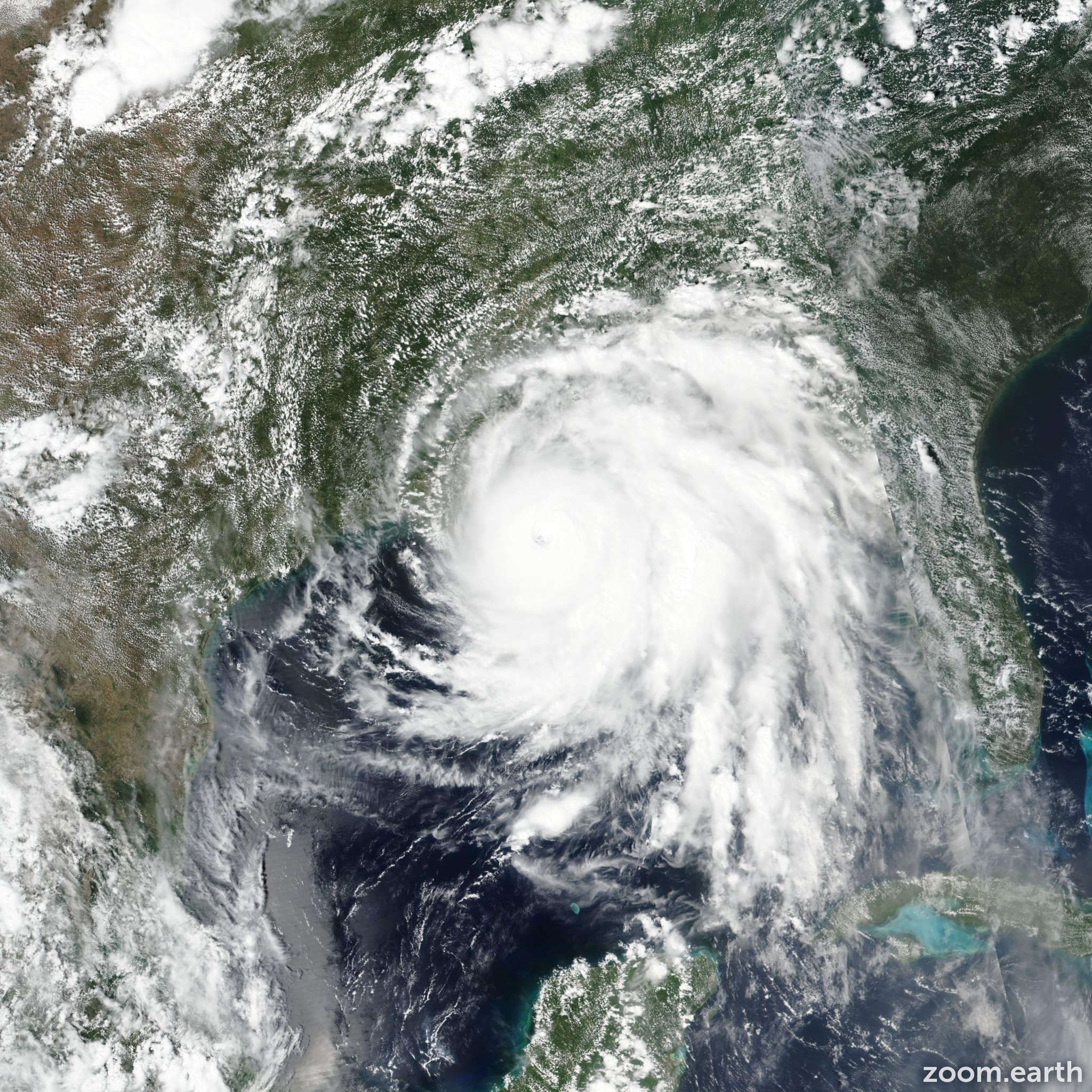
Category 4 hurricanes represent among the most destructive weather phenomena, capable of catastrophic structural damage, extended power outages, and loss of life. A direct US landfall would carry substantial economic consequences, affecting insurance markets, disaster response planning, and climate risk assessments. The probability estimate embedded in this market reflects aggregate expectations about both meteorological conditions and historical precedent, making it relevant to policymakers, the insurance industry, and climate risk analysts evaluating near-term hazard exposure.
Key Factors
Several variables inform the 35% probability. Historical data shows Category 4 landfalls in the continental US occur irregularly—roughly 1 to 2 per decade on average, though regional and temporal variability is significant. The forecast window spans approximately 24 months across two Atlantic hurricane seasons (2025 and 2026), effectively doubling the annual probability baseline. Sea surface temperatures, atmospheric circulation patterns, and the Atlantic Multidecadal Oscillation influence hurricane intensity and track, though seasonal predictability remains inherently limited beyond a few weeks. Traders appear to be balancing a modest historical baseline rate against the extended timeframe, resulting in a mid-range probability that avoids both overconfidence and extreme caution.
Outlook
The market's equilibrium at 35% could shift with new climate data, seasonal forecasts issued by NOAA in spring 2025 and 2026, or any early-season activity that alters perceptions of conditions. Actual hurricane activity during the 2025 Atlantic season will be the primary driver of repricing, as observed storm intensity distributions and landfall patterns will provide real-world calibration. The resolution criteria—tied to initial National Hurricane Center advisories—ensure clarity, though the market's explicit allowance for subsequent corrections introduces minor ambiguity that may affect marginal pricing near the threshold.