Market Overview
The natural disaster prediction market has stabilized at a 27% probability of at least one qualifying catastrophic event occurring during 2026. The market has drawn $215,647 in trading volume, indicating substantive participation in this low-frequency, high-impact question. The stable probability over the past 24 hours suggests current market participants have largely settled on their risk assessments for the calendar year.
Why It Matters
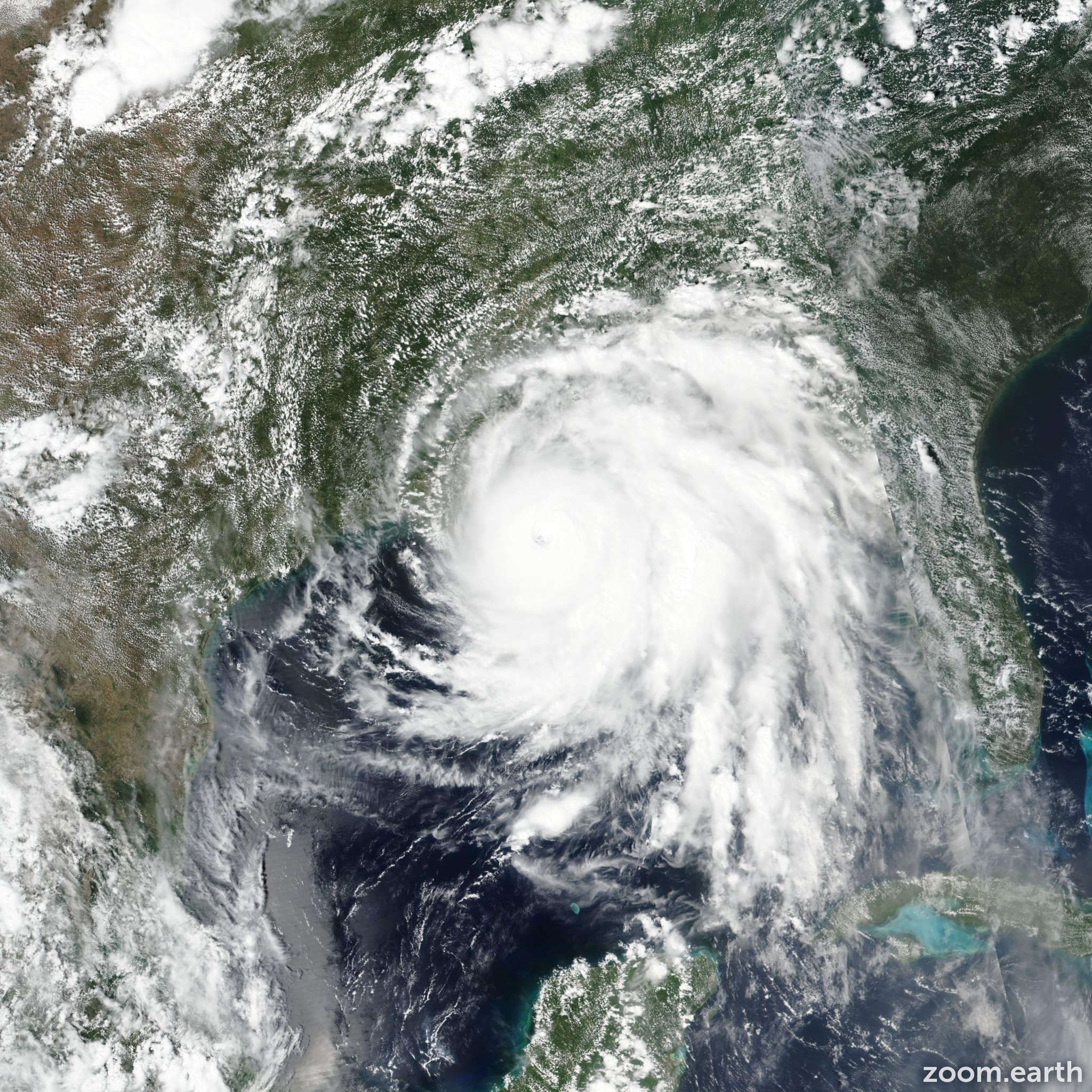
This market aggregates beliefs about four distinct but jointly catastrophic events: a Category 5 Atlantic hurricane making US landfall, a 10-kiloton or larger meteor strike, a magnitude 6+ volcanic eruption, or an 8.5+ magnitude earthquake. Each carries vastly different probability profiles and geographic distributions of risk. The 27% aggregate probability implies traders view a roughly one-in-four chance that at least one such event will materialize over the coming year—a non-trivial outcome for phenomena most consider rare on individual-event timescales.
Key Factors
Historical baseline rates anchor much of the market's current price. Category 5 hurricanes make US landfall roughly once per decade on average, though regional and seasonal variations affect any given year's risk. Major meteor impacts at 10kt+ are extraordinarily rare—no confirmed strikes of this magnitude have occurred in recorded history. Volcanic eruptions at VEI 6 or higher occur approximately once per century globally, and magnitude 8.5+ earthquakes happen roughly every five to ten years worldwide but impact specific regions unpredictably. The aggregation of these four independent (or weakly correlated) events into a single resolution criterion mechanically elevates the annual probability above any single constituent event.
Geographic exposure and seasonal timing also influence the market's current assessment. The Atlantic hurricane season's peak occurs August through October, concentrating risk in a defined window. Earthquake and volcanic activity remain distributed globally and seasonal, complicating year-round probability weighting. Market participants must balance climatological data, seismic activity patterns, and volcanic monitoring trends against known historical frequencies.
Outlook
The market's stability at 27% suggests traders have incorporated available climate and geological data into their probability estimates. Movements in this market would likely respond to significant developments such as notable changes in Atlantic sea surface temperatures affecting hurricane season predictions, unusual seismic swarms in major fault zones, or increased volcanic unrest at monitored calderas. The extended resolution deadline through February 2027 provides ample time for confirmation of any qualifying events that occur late in the year.