Market Overview
Prediction market participants currently assess a 9% probability that the World Health Organization will declare a pandemic at some point during 2026. With $244,034 in total volume, the market has generated moderate liquidity, though the flat price action over the past 24 hours suggests the assessment remains stable without new catalysts. The binary resolution criteria—a formal WHO pandemic declaration at any point during the calendar year—provides clear definition, though the threshold for pandemic status itself remains subject to WHO discretion.
Why It Matters
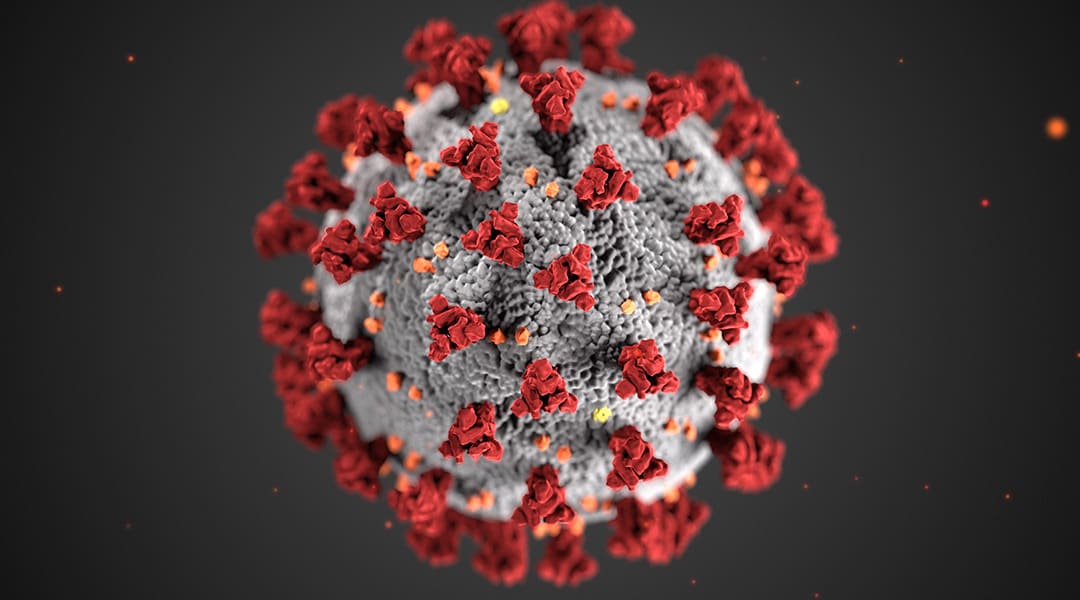
Pandemic risk carries enormous implications for public health policy, economic planning, and investment allocation. A 9% annual probability translates to meaningful tail risk that institutions and individuals may account for in contingency planning, yet is substantially lower than probabilities many epidemiologists would assign to disease outbreak events more broadly. The distinction between disease outbreaks and WHO pandemic declarations is material: many significant disease events occur without formal pandemic designation, making this market narrowly focused on official WHO classification rather than broader disease risk.
Key Factors
The current pricing reflects several offsetting considerations. On one side, the post-COVID period has seen reduced institutional pressure for rapid pandemic declarations, and many of the respiratory pathogens that dominated pandemic fears have become endemic or more manageable. Additionally, the baseline rate of WHO pandemic declarations historically remains low—two declarations in the past two decades (COVID-19 and mpox) suggest such events cluster temporally rather than distributing evenly. Conversely, the emergence of novel variants, the ongoing circulation of known zoonotic risks, and the possibility of novel pathogen spillover events provide genuine hazards that traders may underweight relative to actual epidemiological risk. Seasonal influenza, bird flu surveillance gaps, and the potential for rapid international spread of unknown pathogens all represent material uncertainties.