Market Overview
Prediction market participants are pricing a human moon landing in 2026 at just 4.3% probability, with trading volume at roughly $1.9 million indicating sustained interest despite the low odds. The market has remained stable at this level over the past day, suggesting a consensus view among traders that a near-term lunar landing is highly unlikely. This probability implies traders view a 2026 moon landing as a tail-risk scenario rather than a realistic near-term development.
Why It Matters
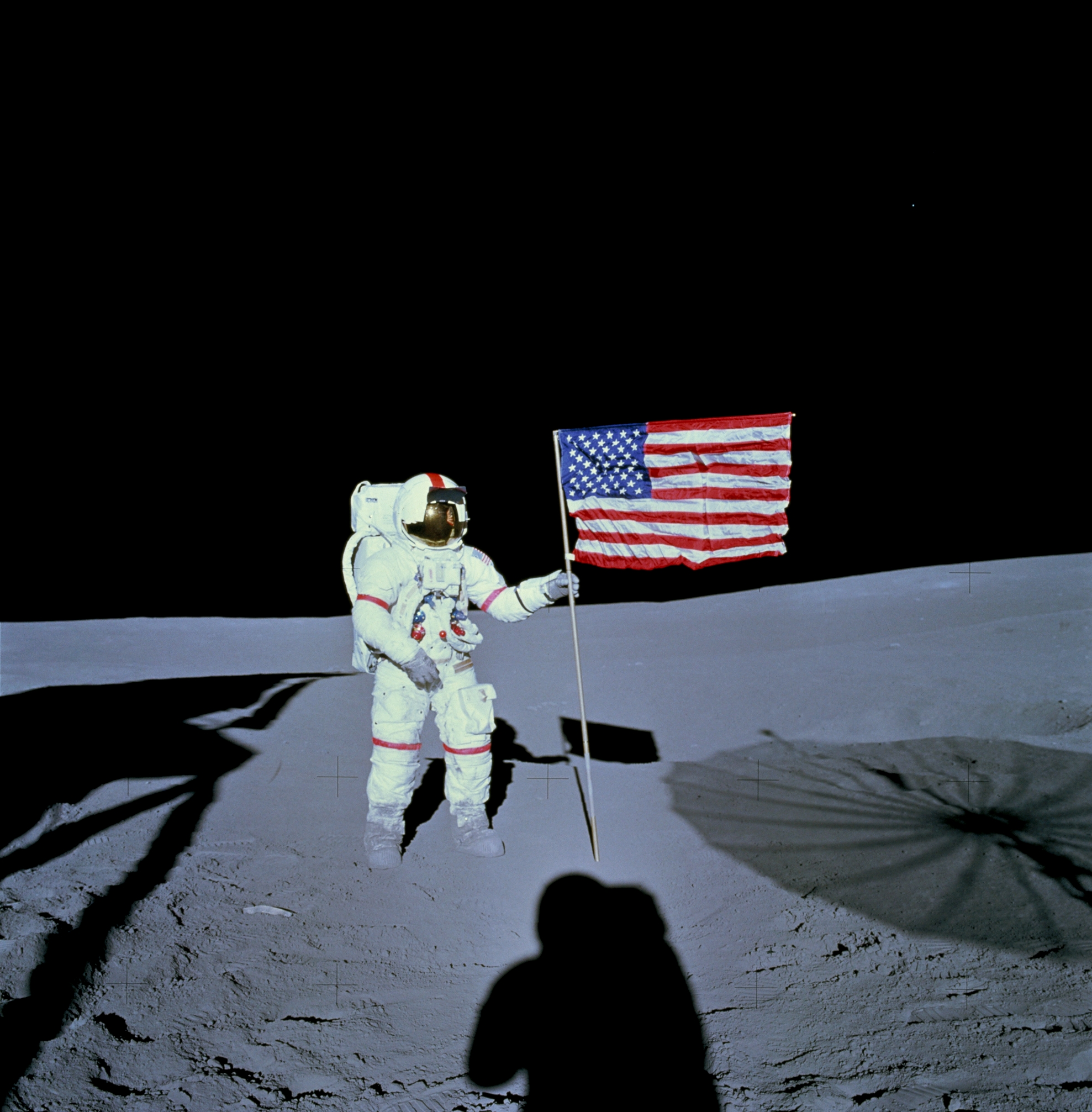
The timeline question carries symbolic weight in the broader space exploration narrative. The last human moon landing occurred in 1972, nearly 54 years ago, making any crewed return significant for geopolitics, technological achievement, and national prestige. NASA's Artemis program, the primary U.S. effort to return humans to the moon, aims for a landing but has experienced repeated delays. The current odds reflect market skepticism that either NASA or international competitors can compress their timelines enough to achieve a 2026 landing, particularly given the complexity of human-rated spacecraft, launch systems, and surface operations.
Key Factors
NASA's Artemis II, a crewed test flight around the moon without landing, is not currently scheduled until 2026 or potentially later. The subsequent Artemis III mission, which would attempt an actual lunar surface landing, remains targeted for the late 2020s or early 2030s at the earliest. China's Chang'e program has demonstrated uncrewed lunar capabilities but has not publicly committed to a specific human landing date in the near term. Other spacefaring nations lack the demonstrated infrastructure or stated timelines for a 2026 crewed landing. The 4.3% probability likely captures a small possibility of an unexpected acceleration, a previously undisclosed program, or a space agency dramatically revising public schedules—scenarios traders view as improbable but non-zero.
Outlook
The market probability could shift materially if NASA or another agency announced a concrete 2026 crewed lunar landing target, though such an announcement would require significant acceleration from current plans. Conversely, further delays to Artemis II or public statements pushing lunar landings beyond 2026 would likely compress the odds even lower. For now, the 4.3% level reflects the structural reality that two years remains insufficient time under current program timelines, with only unexpected breakthroughs or unannounced efforts capable of changing that outcome.