Market Overview
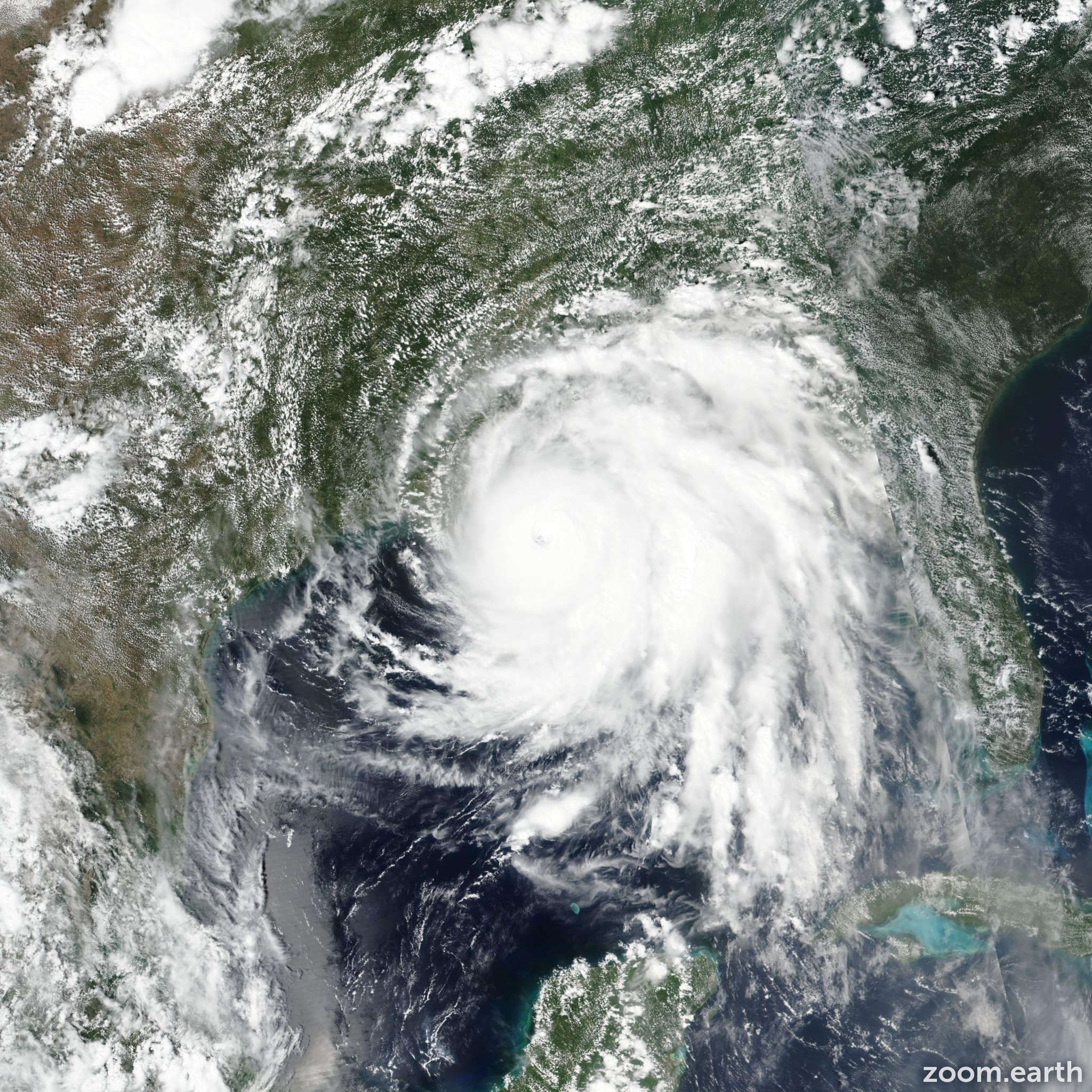
Prediction markets are pricing the likelihood of a Category 4 hurricane striking the continental United States through the end of 2026 at 35%, with trading volume of $326,300 indicating moderate but sustained market interest. The timeframe encompasses roughly 2.5 Atlantic hurricane seasons, providing a meaningful window for assessment. Category 4 storms, defined by sustained winds of 130-156 mph according to the Saffir-Simpson scale, represent the second-highest classification and pose significant risk to coastal infrastructure and populations.
Why It Matters
Category 4 hurricanes are among the most destructive storms to make landfall in the United States. The distinction between Category 4 and lower classifications carries substantial implications for emergency preparedness, insurance markets, and coastal development policy. Historical data shows that while major hurricanes (Category 3 or higher) do make US landfall with regularity, Category 4 storms specifically occur less frequently, making this a meaningful threshold for both meteorological and economic purposes. The market's assessment reflects both climatic realities and residual uncertainty inherent in multi-year forecasting.
Key Factors
Several factors inform the current 35% probability. Historically, the United States experiences a Category 4 hurricane landfall roughly once every 3-4 years on average, though significant variation occurs. The two-and-a-half year timeframe in this market aligns roughly with one expected major hurricane event, suggesting the odds reflect near historical baselines. Sea surface temperatures, the Atlantic Multidecadal Oscillation, and seasonal hurricane activity patterns all influence the underlying climate drivers. Additionally, the market's reliance on National Hurricane Center initial advisories for resolution means that the precise timing and intensity of any storm's landfall—as officially reported—becomes the determining factor, rather than post-event scientific analysis.
Outlook
The stable 35% probability over the 24-hour period suggests the market has settled on a relatively equilibrated estimate absent new meteorological data or seasonal forecasts. Developments that could shift odds include updated climate models showing enhanced or diminished Atlantic hurricane activity, actual major hurricane strikes during the resolution period that clarify seasonal intensity patterns, or scientific consensus shifts regarding long-term climate trends affecting storm intensification. As the market approaches the 2024 and 2025 Atlantic hurricane seasons, real-world storm activity will likely prove the most significant driver of probability changes.