Market Overview
Prediction market participants are currently assessing a one-in-four chance that 2026 will see at least one major natural disaster meeting specific severity thresholds. The market has maintained a steady 27% probability over the past day, with $215,647 in total trading volume reflecting moderate but sustained interest. The relatively stable odds suggest traders have reached consensus around baseline natural disaster risk rather than reacting to emerging threats.
Why It Matters
This market captures collective estimates of low-probability, high-impact events that individual forecasters struggle to price. The specificity of the criteria—Category 5 hurricane landfalls, 10-kiloton-plus meteor strikes, VEI 6+ volcanic eruptions, and 8.5+ magnitude earthquakes—sets high bars that exclude typical seasonal hurricanes or modest seismic activity. A 27% annual probability for any of these four events compounds significantly when viewed across a decade or longer timeframe, making such markets useful benchmarks for catastrophic risk assessment.
Key Factors
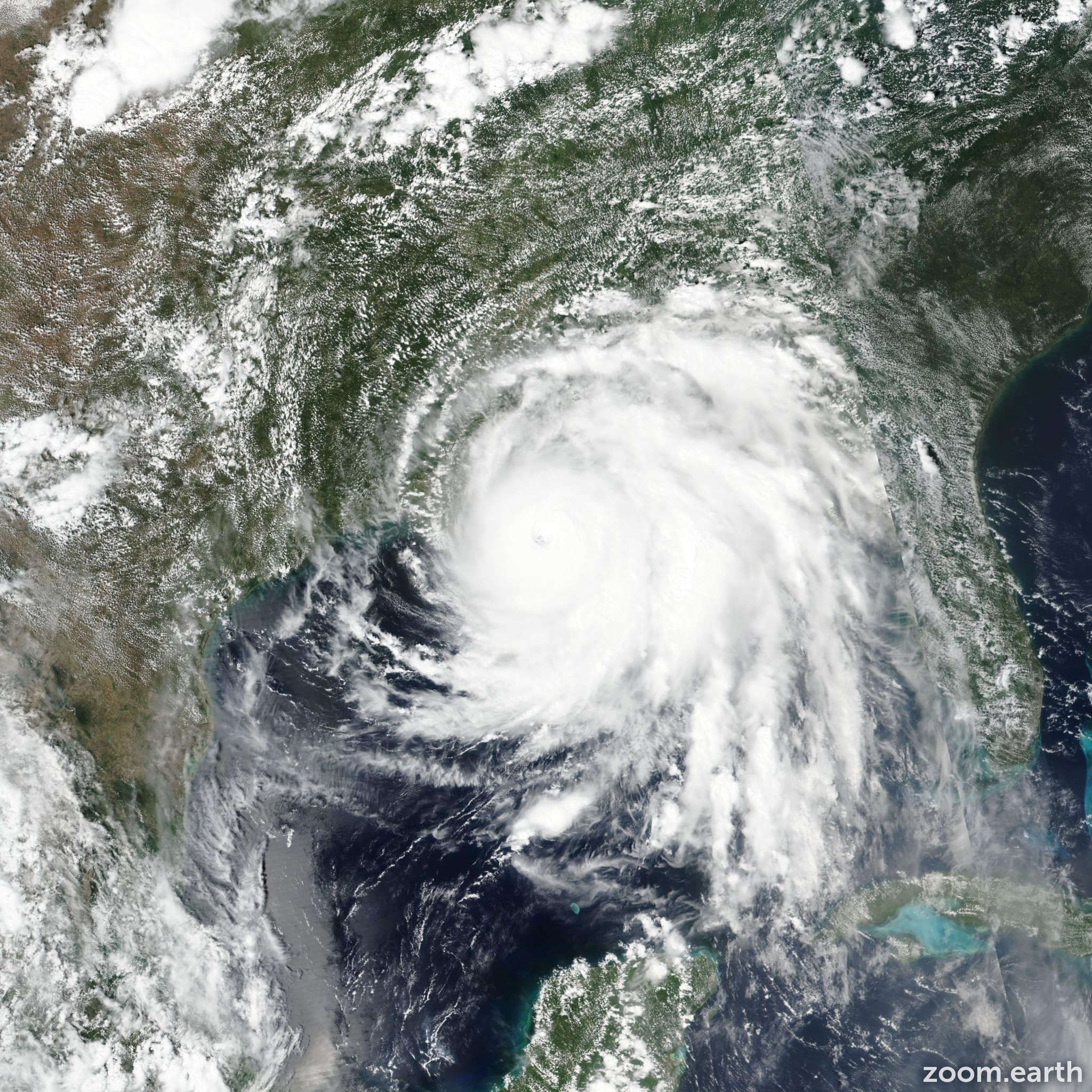
Historical frequency data anchors much of the pricing. Category 5 hurricanes strike the continental US roughly once per decade on average, though landfall probability varies by year. Magnitude 8.5+ earthquakes occur globally only a few times per century. Meteor impacts of 10kt equivalent energy are extraordinarily rare, with estimates suggesting one every few thousand years. Major volcanic eruptions (VEI 6+) occur roughly once per century globally. The market's 27% figure likely reflects a weighted combination of these individual baseline rates, adjusted for 2026 specifically—though the question spans the full calendar year, creating a temporal advantage for some event types (hurricane season is concentrated June-November).
Outlook
As 2026 progresses, market odds will likely fluctuate with seasonal and geological monitoring updates. Hurricane season intensity forecasts, seismic activity patterns, and volcanic monitoring data could shift sentiment materially. For instance, elevated solar activity or asteroid detection announcements might move meteor-impact odds, while unusual oceanic heat patterns could adjust hurricane probabilities. The market's stability at 27% suggests traders view current conditions as typical rather than heightened, but unexpected geological signals or atmospheric anomalies could alter this assessment significantly.