Market Overview
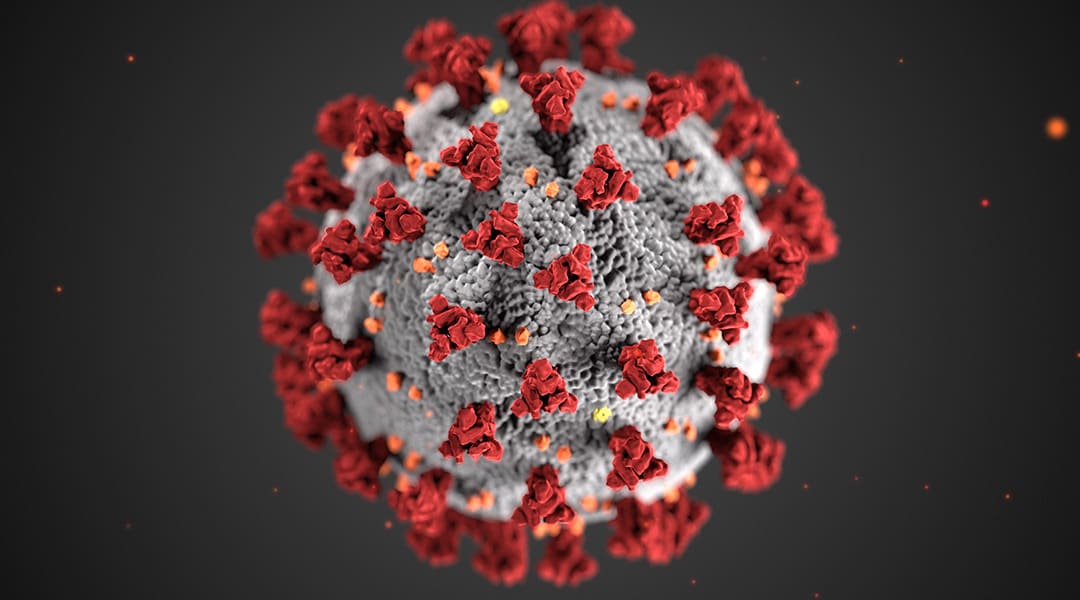
The 2026 pandemic prediction market currently prices in a 9% probability that the World Health Organization will formally declare any disease a pandemic during 2026, with trading volume of approximately $244,000 accumulated to date. The probability has remained stable over recent days, indicating no significant new information has shifted market sentiment. This low single-digit assessment reflects traders' baseline expectations for disease emergence and spread in the medium term.
Why It Matters
Pandemic declarations carry enormous implications for global public health policy, economic activity, and market stability. The WHO's pandemic designation is the formal trigger for coordinated international response protocols and often influences border policies, supply chain decisions, and investment allocation. Understanding market estimates of pandemic risk—even at historically low levels—helps policymakers, investors, and health authorities calibrate preparedness spending and scenario planning. The 9% figure suggests traders view pandemic risk as genuinely elevated relative to pre-2020 baselines, yet still a low-probability tail event.
Key Factors Driving the Assessment
Several structural factors likely underpin the market's current reading. First, the baseline probability of zoonotic disease spillover and international transmission remains elevated due to ongoing urbanization, climate change, and global connectivity—factors that have only intensified since 2019. Second, the definition of \"pandemic\" is strict: the WHO must formally declare it, not merely confirm cases exist. This raises the threshold and reduces probability compared to raw epidemiological risk. Third, institutional memory from COVID-19 may incline the WHO toward caution in declaring pandemics, potentially suppressing the likelihood of a 2026 declaration even if a serious outbreak occurs. Conversely, heightened surveillance systems and pandemic preparedness investments post-2020 could make emergence and containment of novel pathogens more likely than in the pre-pandemic era.
Outlook
Movement in this market will likely be driven by two categories of developments: genuine disease surveillance signals (emergence of novel viruses with concerning epidemiological profiles) and shifts in institutional thresholds for pandemic declaration. Real-world tracking of pathogen variants, outbreak investigations in sentinel countries, and statements from public health authorities will serve as primary catalysts. A significant animal-to-human transmission event, sustained human-to-human transmission of a novel pathogen, or explicit WHO guidance changes could all shift the probability meaningfully. For now, the 9% level reflects a market view that while pandemic risk persists as a genuine concern, the probability of a WHO declaration in any given year remains modest—consistent with historical pre-COVID pandemic frequency.