Market Overview
Traders are assigning a roughly one-in-three probability to a Category 4 hurricane striking the US mainland by December 31, 2026. The market has maintained this 35% probability with stable volume of $326,300, indicating a fairly settled consensus among participants rather than active repricing based on new information. The two-year window encompasses the remainder of 2024 and all of 2025 and 2026, covering three full Atlantic hurricane seasons.
Why It Matters
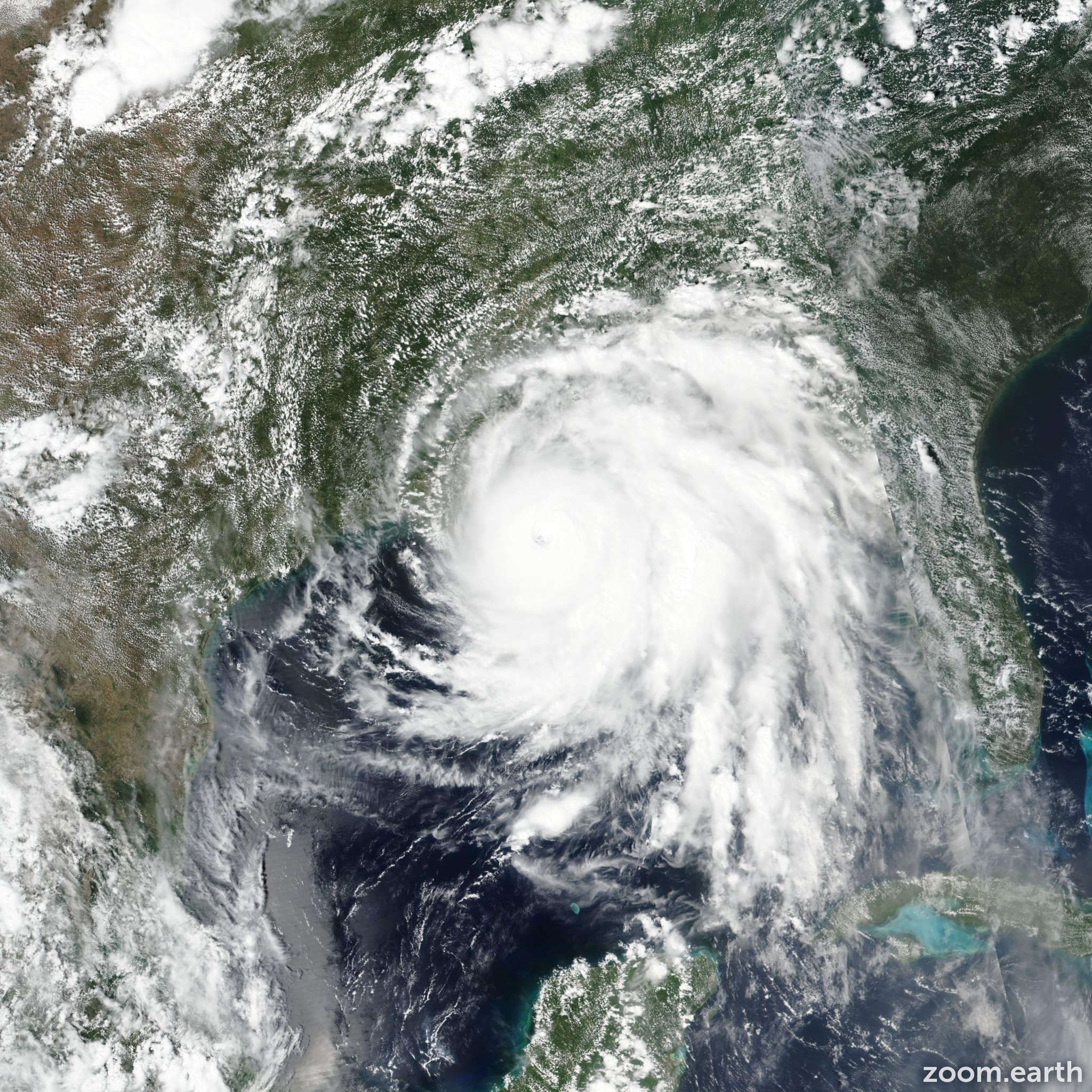
Category 4 hurricanes represent a significant threshold in storm severity—with sustained winds between 130-156 mph, they cause extreme damage to structures and infrastructure. Landfalls at this intensity are relatively rare but consequential events. For risk modelers, insurers, and coastal communities, understanding the probability of such an event is essential for infrastructure planning and insurance pricing. The market's implicit forecast effectively answers whether such a storm is more or less likely than a coin flip over the specified timeframe.
Key Factors
Historical data informs much of the probability assessment. The continental United States has experienced Category 4 landfalls in recent memory—Hurricane Laura (2020), Hurricane Charley (2004), and Hurricane Andrew (1992) exemplify the frequency at which such storms occur. Over the past two decades, Category 4 landfalls have happened roughly once every 5-7 years on average, though this varies considerably. A 35% probability for a three-year window aligns roughly with this historical baseline.
Current atmospheric conditions and long-term climate trends also factor into the calculation. Sea surface temperatures, atmospheric shear patterns, and other variables influence seasonal hurricane activity, though multi-year predictions carry substantial uncertainty. The market's probability reflects this inherent unpredictability—neither betting heavily on an outbreak nor dismissing the possibility entirely.
Outlook
The market will likely remain sensitive to two major categories of information: observational data from the 2024 and 2025 hurricane seasons, and any significant updates to seasonal forecasts from entities like the National Oceanic and Atmospheric Administration. Major hurricanes that approach Category 4 strength without quite attaining it could prompt small probability adjustments, as could significant changes in climate patterns. The resolution mechanics—which follow initial National Hurricane Center advisories—are clearly defined, reducing ambiguity that might otherwise create volatility. Absent major seasonal anomalies, this probability floor appears anchored to historical precedent.