Market Overview
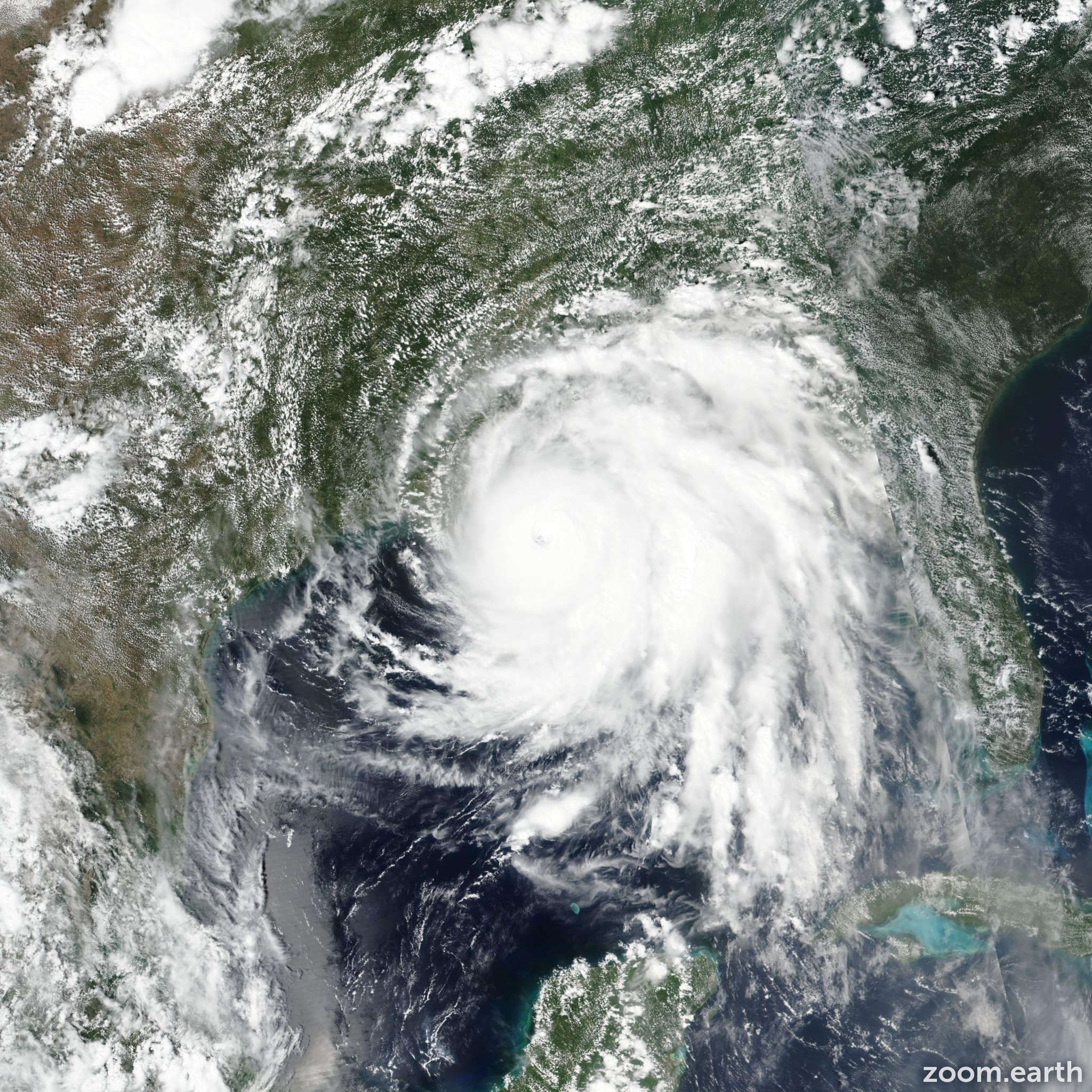
The prediction market for a major natural disaster in 2026 is currently priced at 27% probability, unchanged from the previous day despite $215,647 in trading volume. This relatively stable odds level reflects a market consensus that a significant—but not overwhelming—risk exists for at least one catastrophic natural event meeting the specified thresholds during the 2026 calendar year. The market's scope is notably narrow, focusing on four distinct hazard categories: US-landfalling Category 5 hurricanes, 10-kiloton-or-larger meteor strikes, supervolcanic eruptions rated VEI 6 or higher, and magnitude 8.5 or greater earthquakes. This specificity means that while other natural disasters—including powerful but sub-Category 5 hurricanes, smaller earthquakes, or volcanic eruptions below the VEI 6 threshold—would not trigger resolution to \"Yes,\" they may still influence market sentiment regarding underlying geological and meteorological risk.
Why It Matters
Natural disaster prediction carries both scientific and economic significance. Understanding market-assigned probabilities for extreme events provides a real-money gauge of how informed participants weigh historical occurrence rates against emerging climate and geological conditions. A 27% annual probability for events this extreme is non-trivial—it suggests meaningful risk—yet the market's stability suggests participants have broadly converged on a baseline estimate. For insurers, catastrophe bond investors, and disaster preparedness planners, such markets serve as a barometer of collective assessment of tail risks. The outcome of this market will also validate or challenge the ability of prediction markets to forecast rare, high-impact natural phenomena.
Key Factors
Historical frequency data anchors much of the probability estimate. In the United States, Category 5 hurricanes make landfall roughly once per decade on average, though variability is high; 2026 offers no particular reason to expect elevated hurricane activity beyond standard climatological forecasts. Major meteor impacts (10kt+) are extraordinarily rare on human timescales—such events occur roughly once per century globally. Supervolcanic eruptions (VEI 6+) are even rarer, with only a few occurring in recorded history; the next such event is fundamentally unpredictable on an annual basis. Large earthquakes (8.5+) occur several times per decade globally, but remain low-probability events in any given year at the extreme magnitude threshold. The 27% implied probability thus represents a weighted aggregation of these baseline rates, adjusted for any shifts in market participants' assessment of geological or climate conditions. Notably, the market has not drifted despite proximity to 2026, suggesting that available scientific data has not prompted significant repricing.
Outlook
The stability of this market at 27% is likely to persist unless major developments shift underlying risk assessments. A credible scientific report suggesting elevated volcanic or seismic activity in 2026, or significant revisions to hurricane season forecasts as 2026 approaches, could move odds materially. Conversely, if 2025 passes without major natural disasters, market participants may revisit their priors on frequency, potentially lowering the 2026 estimate. The resolution mechanism—which permits the market to remain open until February 28, 2027, if key information is delayed—adds a tail-risk element for traders, as confirmation of some events (particularly distant volcanic activity) may take months. As 2026 unfolds, the market will serve as a real-time test of whether prediction markets can accurately price genuinely rare, independent natural phenomena.