Market Overview
Prediction market participants are pricing a roughly one-in-three chance that the United States will experience a Category 4 hurricane landfall before the close of 2026. The 35% probability represents a substantive but minority outcome in the market's assessment, with traders allocating roughly two-thirds of their confidence to the \"No\" outcome. The market has accumulated $326,300 in volume, suggesting moderate but not exceptional participant interest in the question. The stability of the price over the past 24 hours indicates no recent catalyst has shifted market sentiment materially.
Why It Matters
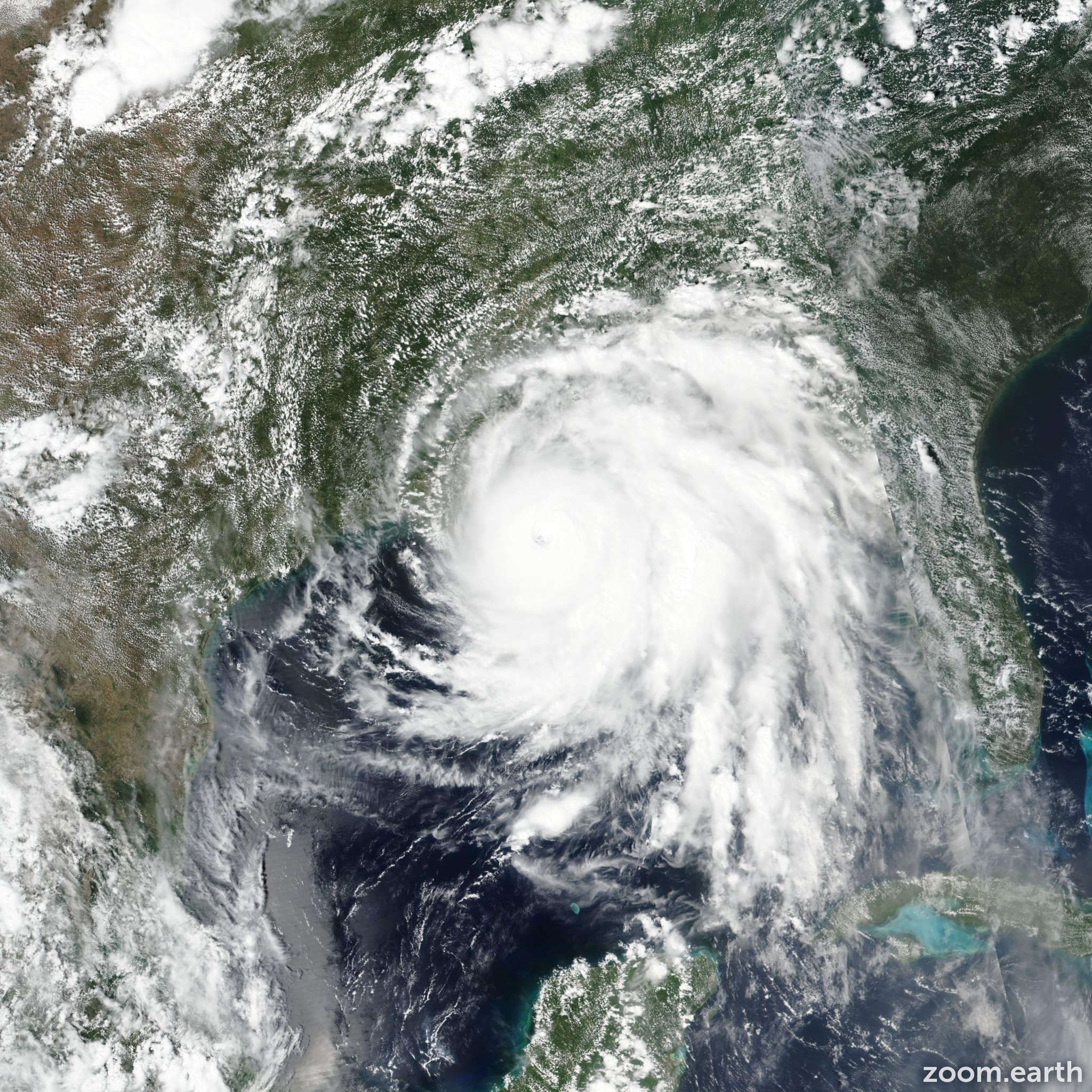
Category 4 hurricanes represent a significant threshold in hurricane severity—storms with sustained winds between 130 and 156 mph that pose extreme threats to infrastructure, life safety, and economic activity. A U.S. landfall by such a storm would typically result in widespread damage across a broad swath of affected coastline. The distinction between Category 3 and Category 4 carries substantial practical importance for emergency preparedness, coastal development policy, and insurance modeling. This market's probability estimate thus speaks to expectations about extreme weather risk over the next two years, a timeframe encompassing the 2025 and 2026 Atlantic hurricane seasons.
Key Factors
Historical frequency provides one anchor for market assessment. Over the past several decades, Category 4 and 5 hurricanes have made U.S. landfall at a rate of approximately one event every 2-3 years on average, though with considerable year-to-year variability. A 35% probability for a two-year window therefore aligns reasonably with long-term climatological expectations. Current ocean temperature conditions, which significantly influence hurricane intensification, remain relevant to 2025-2026 season forecasts, though seasonal outlooks this far in advance carry substantial uncertainty. The Atlantic Multidecadal Oscillation and other long-term climate patterns that affect hurricane activity are also factored implicitly into market pricing. Additionally, participants may be accounting for modulation effects from sea surface temperature trends and atmospheric circulation patterns expected during the forecast period.
Outlook
Market probability could shift materially based on updated seasonal hurricane forecasts released in late spring for each upcoming season, particularly if forecasters signal notably above or below-average activity expectations. Enhanced monitoring of ocean temperatures and climate indices through early 2025 may also influence trader sentiment as more recent data becomes available. The market will remain sensitive to any significant atmospheric or oceanic anomalies that precede the 2025 and 2026 Atlantic seasons. The binary structure of the resolution criteria—requiring both Category 4 strength and U.S. continental landfall—means that even abundant hurricane activity could fail to move the probability if storms remain at lower intensities or remain offshore. Major historical storms that made landfall just below Category 4 threshold serve as reminders that the distinction is narrow but determinative for this market's outcome.