Market Overview
Prediction markets are pricing the probability of a WHO pandemic declaration in 2026 at 9%, a level that has remained stable over recent trading sessions. With $244,034 in volume, the market reflects traders' collective assessment that while pandemic risk exists, the probability remains relatively low. The 9% figure implies roughly a one-in-eleven chance of a significant disease outbreak meeting WHO pandemic criteria within the calendar year—a meaningful but not dominant market concern.
Why It Matters
Pandemic declarations carry substantial geopolitical and economic consequences, affecting global supply chains, public health policy, and market sentiment across multiple asset classes. The 2026 timeframe falls within a critical window for understanding post-COVID disease dynamics and the resilience of global health infrastructure. For investors, policymakers, and insurers, the probability assessment carries implications for resource allocation, contingency planning, and risk management strategies heading into the next calendar year.
Key Factors Driving Current Probability
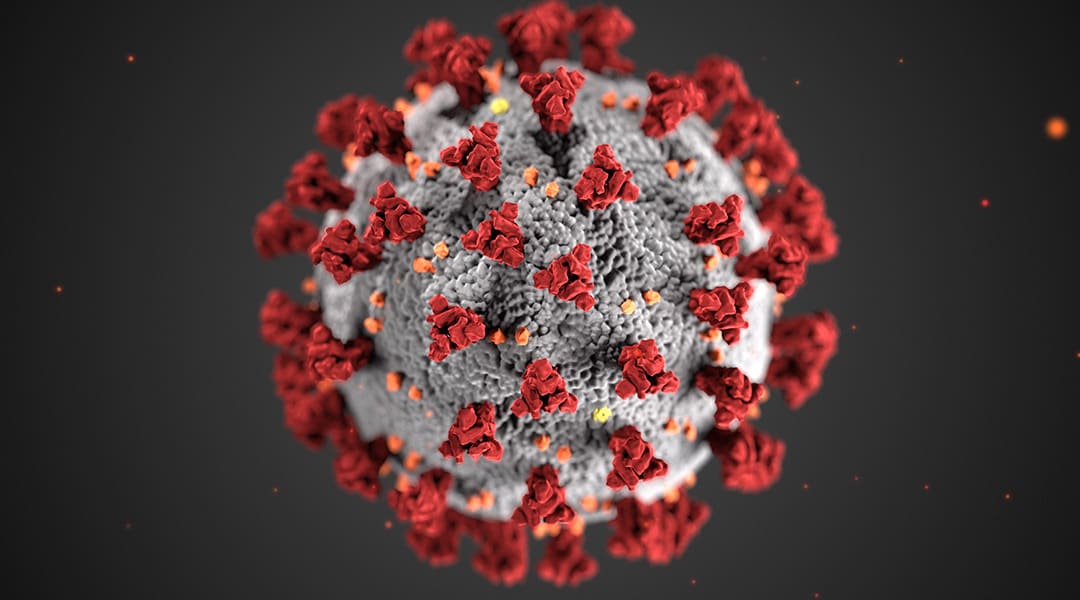
Several structural factors appear to be informing the 9% assessment. First, the baseline frequency of WHO pandemic declarations is itself rare—only a handful have occurred in recent decades, suggesting traders are anchoring to historical prevalence. Second, ongoing challenges in global disease surveillance systems mean novel pathogens may emerge unpredictably; however, improvements in genomic sequencing and international monitoring networks since COVID-19 may reduce lag times in detection. Third, the existence of animal reservoir populations for zoonotic diseases creates persistent pandemic potential, though this is a constant rather than time-specific risk. Finally, seasonal influenza dynamics and the potential for novel variants of circulating viruses represent plausible but not-imminent risks within the 2026 window.
Outlook
Market movements would likely follow developments in disease surveillance reporting, emergence of novel pathogens with pandemic characteristics, or shifts in WHO assessment protocols. Traders may reassess the probability upward if unusual disease clusters are reported, new pathogenic variants emerge with significant transmissibility or severity, or if WHO communications suggest heightened pandemic preparedness concerns. Conversely, probability could compress further if 2026 passes without notable disease threats or if the market simply reflects the statistical rarity of pandemic declarations. The current 9% figure suggests markets view 2026 as a year with normal pandemic risk—neither elevated nor dismissed.