Market Overview
Prediction markets currently assign a 4.3% probability to at least one human-crewed moon landing occurring between now and the end of 2026. This modest odds level—roughly 1-in-23 chance—has remained stable over the past 24 hours despite $1.9 million in trading volume, suggesting a market consensus that has crystallized around deep skepticism of near-term lunar return. The resolution criteria are straightforward: any crewed touchdown on the lunar surface before December 31, 2026, at 11:59 PM ET would trigger a \"Yes\" outcome, with technical complications irrelevant provided humans land safely.
Why It Matters
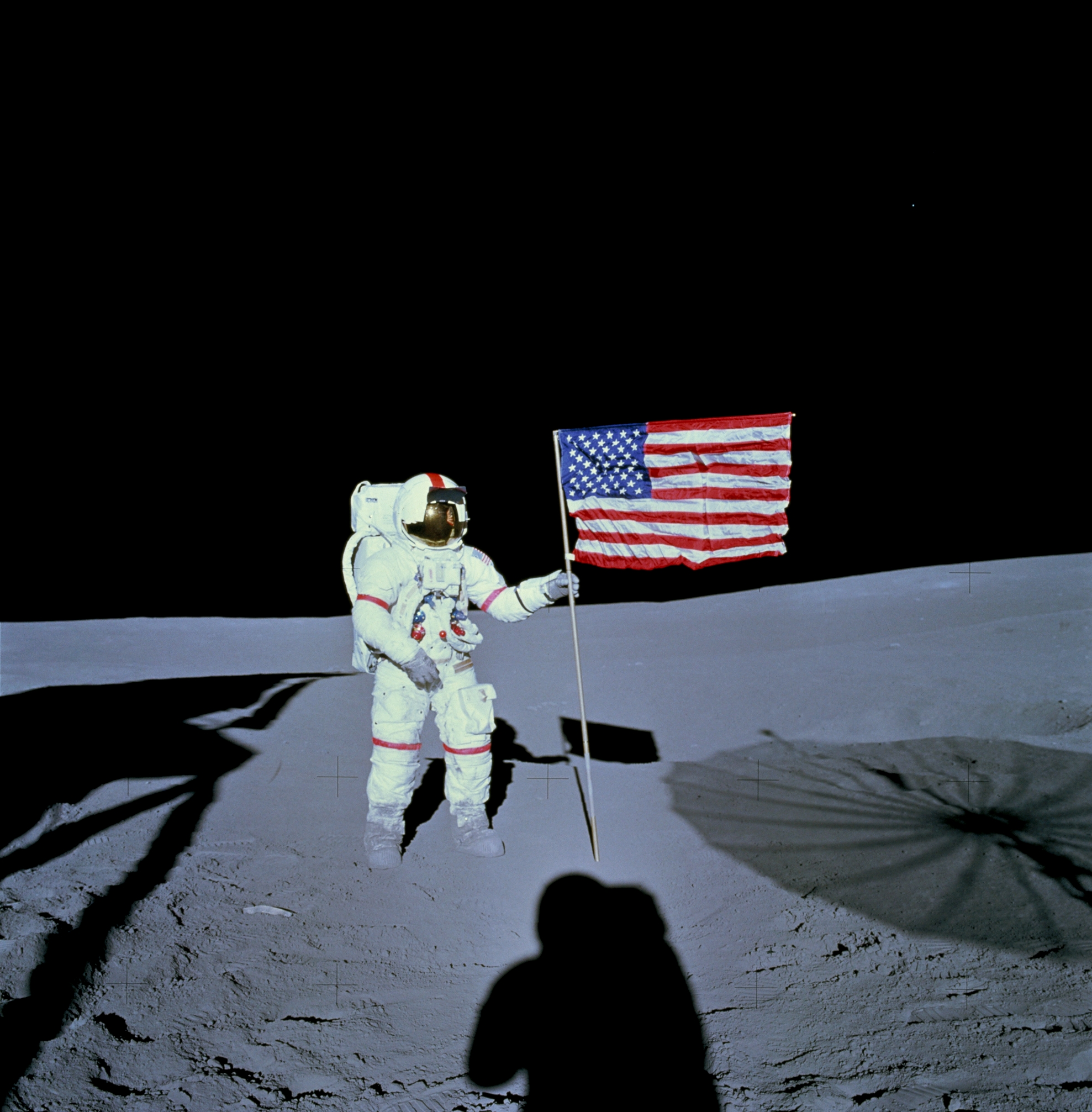
A crewed return to the moon would represent humanity's first lunar landing since Apollo 17 in 1972, making it one of the most significant technological achievements in modern history. The timing question is particularly relevant to NASA's Artemis program, the centerpiece of U.S. space policy and a multi-billion-dollar commitment spanning the 2020s. If the market's assessment proves accurate and no landing occurs by end-2026, it would reflect a pattern of sustained delays in large-scale spaceflight programs and raise questions about the feasibility of the broader Artemis roadmap, including eventual Mars missions.
Key Factors
The low probability appears driven by several converging realities. NASA's official Artemis II mission—a crewed lunar flyby intended as a precursor to landing—has already been delayed from 2021 to 2025 at the earliest, with many analysts expecting further slips into 2026 or beyond. Artemis III, the actual landing mission, is not officially scheduled until 2027 at the earliest. Development of the Human Landing System, critical infrastructure, and extensive testing all remain incomplete. Additional risks include Space Launch System (SLS) readiness, Orion capsule certification, and potential budget or political shifts. Only a dramatic acceleration in schedules—or an unexpected successful landing by an alternative provider such as China or a private venture—would move this market significantly.
Outlook
For the \"Yes\" outcome to occur, NASA would need to compress timelines dramatically or another space program would need to execute a successful landing. The Chinese space program has demonstrated advanced lunar capabilities but has not announced specific crewed landing dates by 2026. Private lunar lander efforts, while advancing, remain years from human-rated capacity. Barring an unforeseen breakthrough or policy-driven acceleration, the market's low odds likely reflect the most probable scenario: sustained delays pushing crewed lunar return into 2027 or later, with the 4.3% probability serving primarily as compensation for tail-risk scenarios and unknowns inherent in complex space programs.



