Market Overview
Prediction markets are currently pricing a human moon landing in 2026 at just 4.3% probability, a level that has remained stable over the past day despite the market's relatively high trading volume of $1.9 million. This low odds assignment reflects widespread skepticism that any crewed lunar mission can successfully launch, travel to the moon, and land within the next two years. The market remains open to the possibility but treats it as a tail-risk scenario rather than a plausible near-term outcome.
Why It Matters
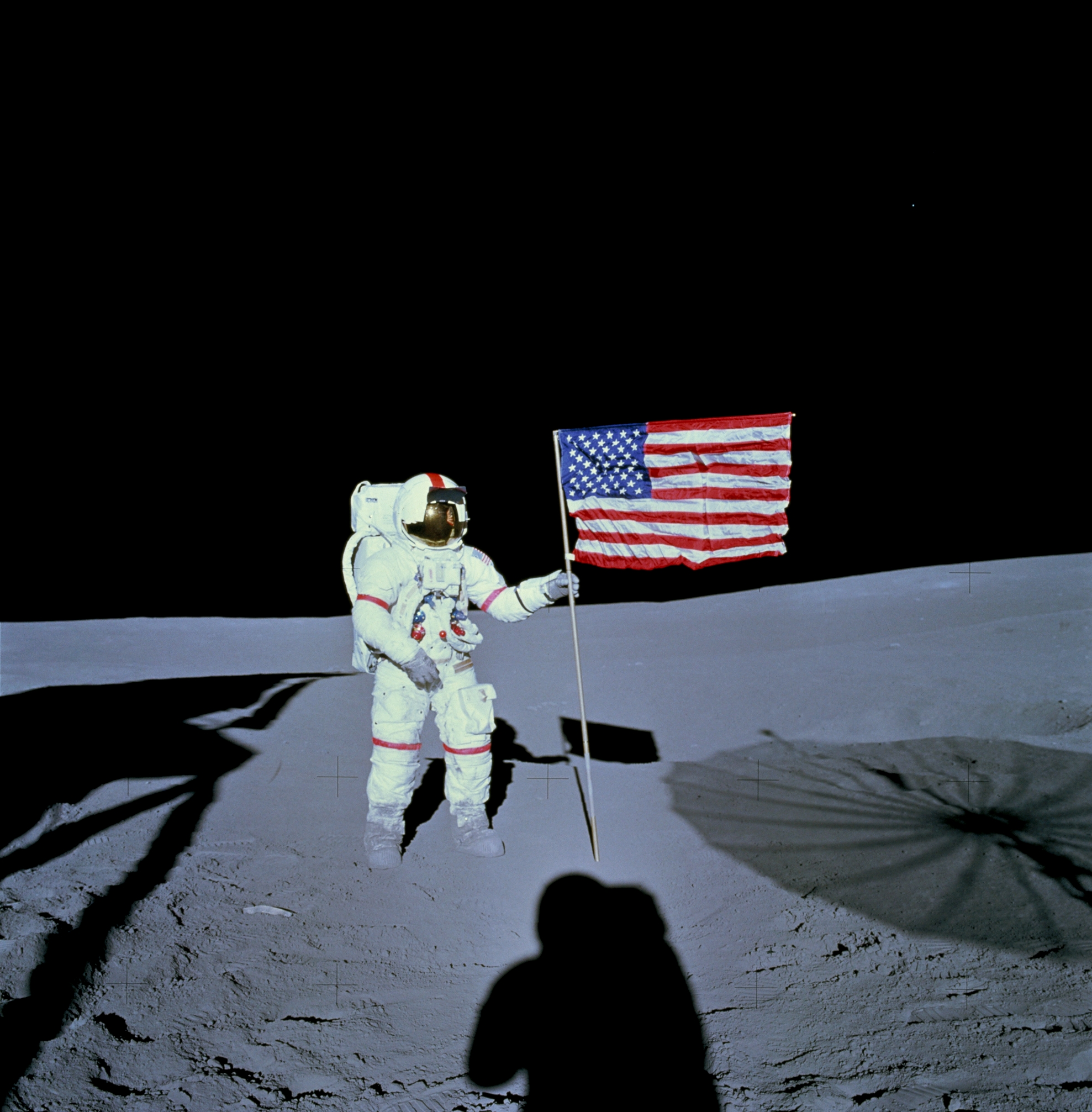
A moon landing would mark humanity's first crewed return to the lunar surface since the Apollo 17 mission in 1972 and would represent a major milestone in space exploration. The 2026 timeframe is significant because it falls within the window that NASA has targeted for its Artemis II crewed test mission, which is designed to return astronauts to lunar orbit before an eventual landing. Success or failure of these missions carries implications for the future of human spaceflight, international space competition, and the credibility of long-term exploration timelines.
Key Factors
The low probability reflects several concrete obstacles. NASA's Artemis II mission, which would take astronauts around the moon without landing, has already faced multiple delays and is currently targeted for late 2025 or early 2026. Artemis III, the actual landing mission, is scheduled for 2026 but is heavily dependent on successful completion of Artemis II first. Technical challenges with the Space Launch System (SLS) rocket, the Orion spacecraft, and lunar lander development have consistently pushed timelines backward. Additionally, no other space agency—including China, Russia, or private companies—has announced credible plans for a crewed landing by the end of 2026. The resolution criteria require only a touchdown with humans aboard, setting a relatively straightforward bar, yet markets still assess the probability as remote.
Outlook
The 4.3% probability leaves room for scenarios where unexpected acceleration occurs—perhaps if Artemis II launches successfully and ahead of schedule, or if an unforeseen breakthrough expedites the program. However, the market's stable pricing suggests traders view further surprises as unlikely. Key developments that could shift odds would include official NASA announcements of accelerated timelines, successful completion of major Artemis II milestones, or announcements from other space programs. Conversely, any additional delays to Artemis II would likely push the probability even lower, as it would compress the window between that test flight and any potential 2026 landing attempt.