Market Overview
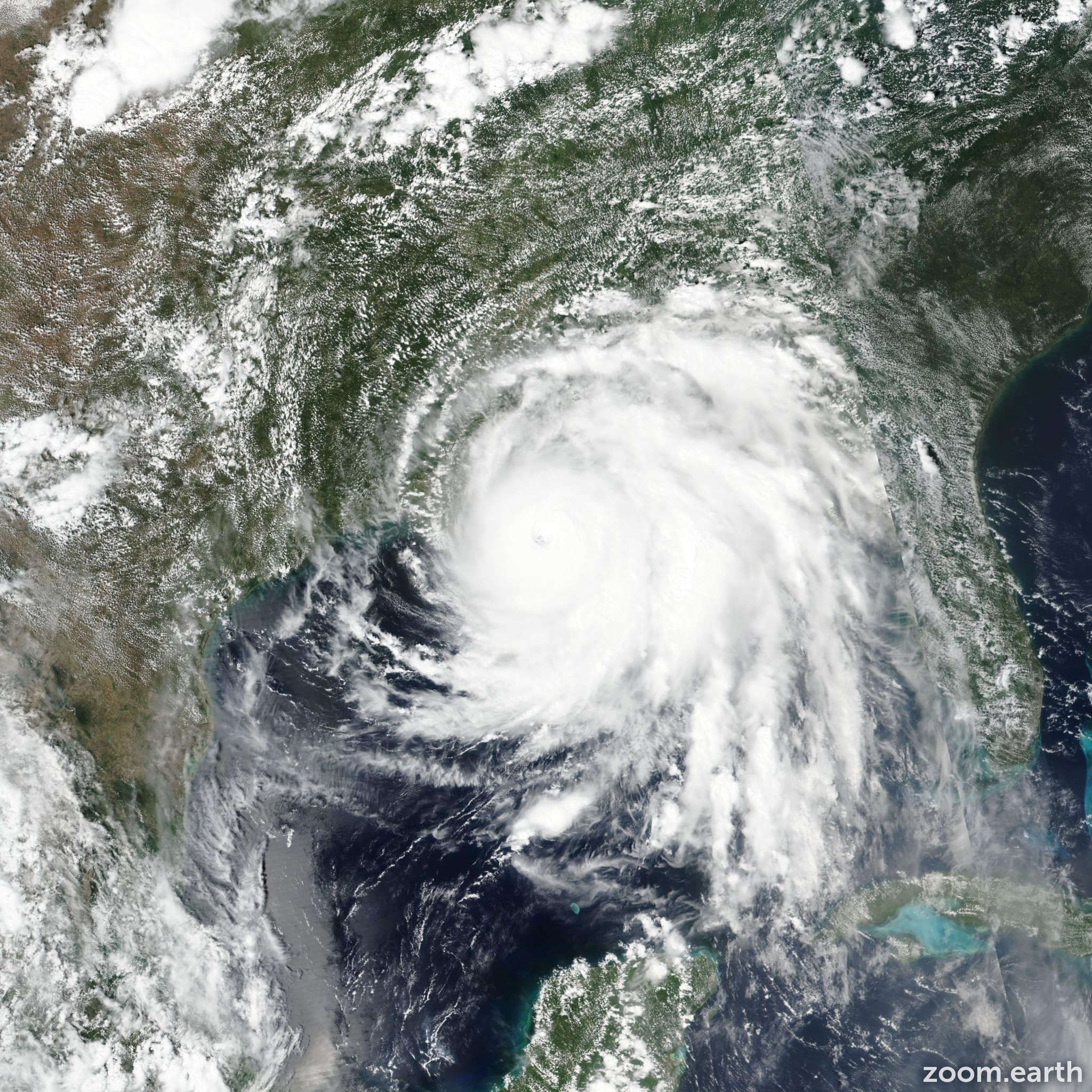
The question tests whether an Atlantic named storm will form during the five-month off-season period preceding the official 2026 Atlantic hurricane season, which runs June 1 through November 30. Currently priced at 17% probability with $339,631 in volume, the market reflects significant confidence that no such storm will occur. This implies traders assign an 83% probability to a quiet pre-season period with no NOAA-designated named systems.
Why It Matters
Atlantic tropical storms outside the June-November window are exceptionally rare events, making this a test of how markets price low-probability outliers. The distinction between the official season and off-season naming has practical implications for forecasters, shipping, and coastal preparedness. Any named storm in the December-May window would be classified as an anomaly and could indicate shifting climate patterns or unusual atmospheric conditions. The market's 17% odds suggest meaningful—but clearly non-majority—belief that off-season activity is possible.
Key Factors
Historical precedent heavily favors the \"No\" outcome. Named storms virtually never occur in the Atlantic during winter and early spring months, when sea surface temperatures are too cold and atmospheric conditions unfavorable for tropical system development. However, climate change and natural variability introduce uncertainty; the 2023-2024 winter saw unusual Atlantic activity. The five-month window (December through May) provides a relatively extended timeframe compared to a single month, which may account for the 17% probability rather than lower odds. Traders appear calibrated to historical norms while acknowledging non-zero tail risk.
Outlook
The market will likely remain stable at or near current levels unless significant scientific developments emerge—such as unexpected warming patterns in Atlantic sea surface temperatures, unusual oscillations in the North Atlantic Oscillation, or unusual tropical activity observed during late 2025. The resolution mechanism includes a grace period through June 1 for borderline classifications, accounting for potential lag in NOAA designation. Movements in this market would signal meaningful shifts in expectations for off-season Atlantic conditions rather than routine probability adjustments.