Market Overview
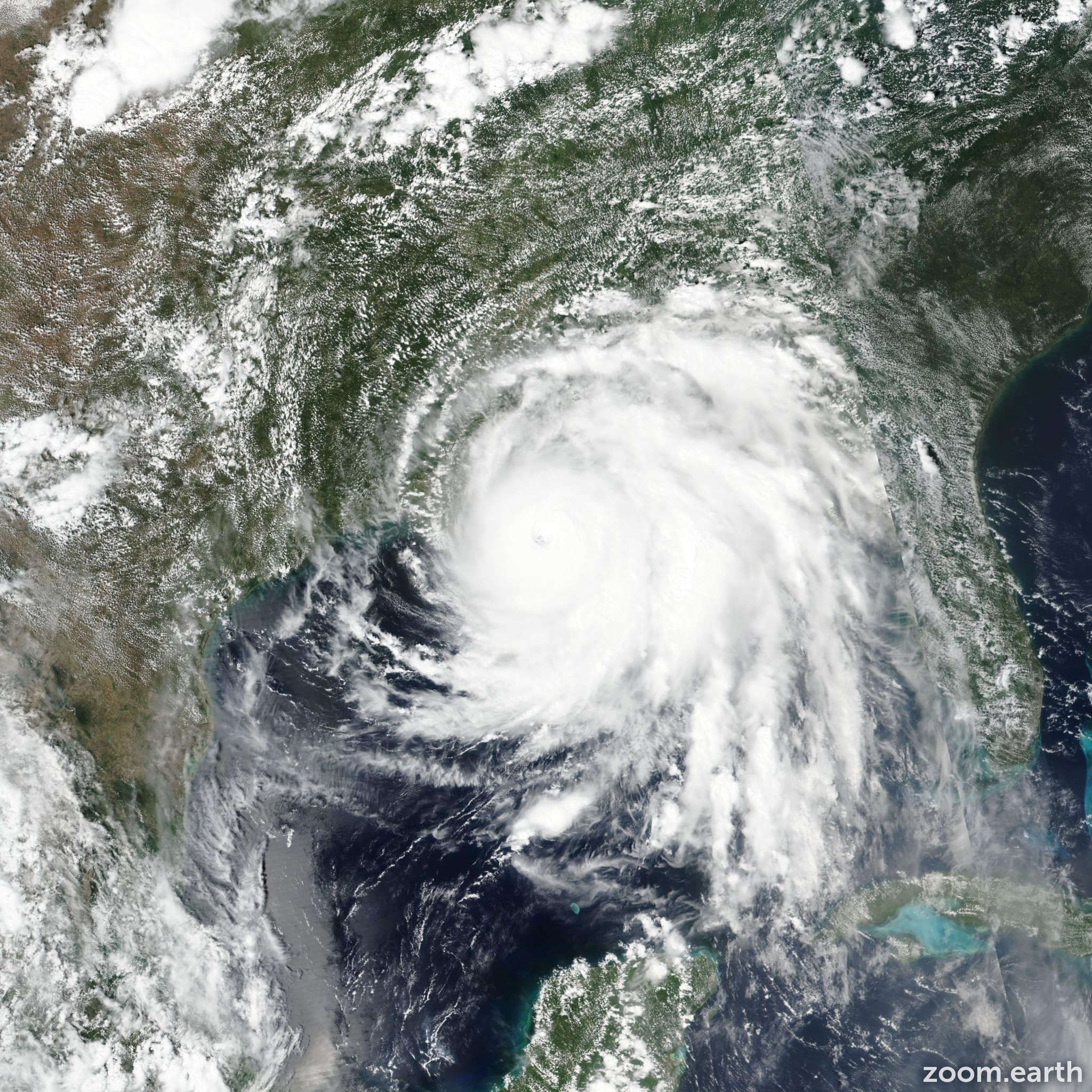
Prediction market participants currently assess the probability of a Category 4 hurricane (sustained winds of 130-156 mph) making landfall in the conterminous US before the end of 2026 at 35%, based on a trading volume of $326,300. The probability has remained stable at this level over the past 24 hours, suggesting a degree of equilibrium among traders about the likelihood of this specific weather outcome. The market uses official National Hurricane Center advisories as the resolution criteria, with landfalls classified at the strength indicated in the initial NHC advisory.
Why It Matters
Category 4 hurricanes represent a significant threshold in storm severity, capable of producing catastrophic damage to structures and infrastructure. A landfall by such a storm during the 2024-2026 period would likely trigger substantial economic losses, insurance payouts, and potential loss of life. The 35% probability reflects neither alarmism nor dismissal—it suggests meaningful risk that warrants preparation without suggesting such an event is the base case. For policymakers, insurers, and coastal residents, understanding the assessed probability of major hurricane landfalls informs risk management and preparedness planning.
Key Factors Driving the Probability
Multiple elements inform the current market pricing. Historically, Category 4 hurricanes reach the US coast with some regularity—roughly one major hurricane (Category 3 or higher) makes US landfall every few years on average, though Category 4 specifically is less frequent. The 35% odds imply traders view a roughly one-in-three chance of such a storm as consistent with long-term climatological patterns over a three-year window. Sea surface temperatures, atmospheric conditions, and climate oscillations like the Atlantic Multidecadal Oscillation influence hurricane activity, though seasonal and interannual variability remains substantial. The market reflects uncertainty about both the frequency and intensity of storms during this period—conditions that may suppress or enhance hurricane development cannot be predicted with precision years in advance.
Outlook
The market structure suggests traders expect continued uncertainty about hurricane intensity and landfalls. Significant shifts in probability would likely follow sustained changes in climate conditions, new seasonal forecasts, or perhaps mid-season adjustments if the 2024 or 2025 hurricane seasons produce observable patterns. The current 35% level represents a measured assessment: higher than the unconditional probability of no Category 4 landfalls, yet reflective of the fact that such storms remain relatively infrequent events. As the resolution date approaches and hurricane seasons unfold, real-time observations may narrow the range of outcomes, potentially shifting market odds in either direction.


