Market Overview
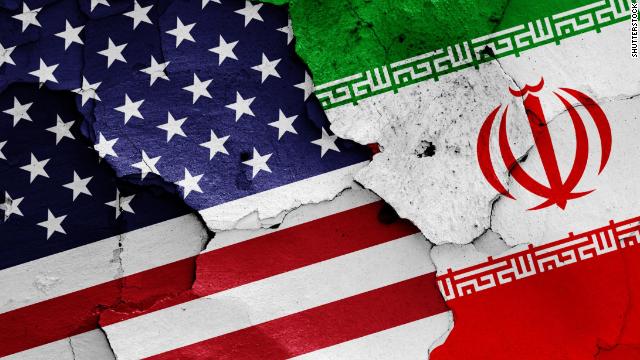
The prediction market examining whether US forces will enter Iran by year-end is trading at 99.3% for \"No,\" implying a mere 0.7% probability of direct military entry. With significant trading volume of $17.9 million, the market reflects broad consensus among participants that active US military personnel will not physically cross into Iranian territory in the coming weeks. The stable probability over the past 24 hours suggests this pricing reflects a baseline assessment rather than reaction to recent developments.
Why It Matters
Direct entry of US military forces into Iran would represent a major escalation in Middle East tensions, potentially triggering regional conflict and international response. The question carries substantial geopolitical weight, as such an incursion would mark a significant breach in the existing pattern of US-Iran military dynamics. Market participants are effectively wagering that despite ongoing regional tensions, explicit territorial invasion remains sufficiently unlikely that 99% confidence in its absence is justified through year-end.
Key Factors
Several structural factors underpin the market's assessment. First, the resolution criteria are strictly defined—requiring physical entry into terrestrial Iranian territory by active military personnel while excluding diplomats, contractors, and special intelligence operatives. This narrow definition actually reduces the probability, as covert operations or advisory missions would not qualify. Second, the timeframe is short, with only weeks remaining in 2024, limiting the window for such a dramatic escalation. Third, while US-Iran tensions have periodically flared, direct military invasion carries consequences severe enough that both nations face strong incentives to avoid it absent extraordinary circumstances. Historical precedent shows the two countries have engaged in proxy conflicts and limited strikes without committing ground forces to Iranian soil.
Outlook
For the market probability to shift meaningfully upward, a substantial geopolitical shock—such as a major terrorist attack directly attributed to Iran or an Iranian attack on US personnel or allies—would likely be required to justify military escalation of this magnitude. Conversely, the probability could theoretically move lower if market participants gain confidence in de-escalation trends. However, with the year drawing to a close, the structural improbability of such an extreme action in the remaining timeframe suggests current pricing may remain stable unless unexpected developments dramatically alter regional dynamics.