Market Overview
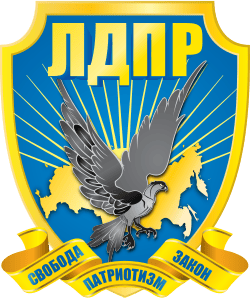
The LDPR faces substantial headwinds in prediction markets ahead of Russia's scheduled September 2026 parliamentary elections. Trading at 5.1% probability, the party ranks among the longer-odds candidates to emerge with the largest seat gain in the State Duma. The $2.2 million in volume on this specific market segment underscores international interest in Russian political outcomes, though the LDPR's modest odds suggest traders view its path to a plurality as unlikely.
Why It Matters
Russian parliamentary elections carry significance for both domestic governance and international relations. The distribution of seats among parties reflects the political landscape under President Vladimir Putin's governance model. The Duma's composition matters for legislative agendas, regional representation, and the balance of power within Russia's political system. The LDPR's performance—whether gaining seats, maintaining position, or declining—serves as a barometer for shifts in voter preferences and the regime's management of parliamentary representation.
Key Factors
Several structural factors constrain the LDPR's prospects. United Russia, the ruling party with strong executive branch backing, has dominated recent elections and holds the largest Duma faction. The party system includes established competitors like the Communist Party and A Just Russia, which command deeper organizational resources and voter bases. The LDPR, a nationalist-populist party led by Vladimir Zhirinovsky until his 2022 death and subsequently restructured, has historically finished third or lower in seat totals. Russian electoral procedures—a mixed system combining proportional and single-mandate seats—affect party outcomes unpredictably. Any significant political realignment, changes in voter mobilization, or shifts in regime support for different parties could alter the baseline expectations reflected in current odds.
Outlook
The 5.1% probability implies traders assign the LDPR a roughly one-in-twenty chance of outperforming all other parties in seat gains. This assessment may shift as the 2026 election approaches, particularly if the LDPR undergoes leadership changes, coalition strategies become clearer, or broader Russian political dynamics evolve. Monitor official party positioning, campaign announcements in 2025-2026, and any changes to electoral rules as potential catalysts for market movement. The extended timeframe until September 2026 leaves substantial room for developments that could reshape parliamentary calculations.