Market Overview
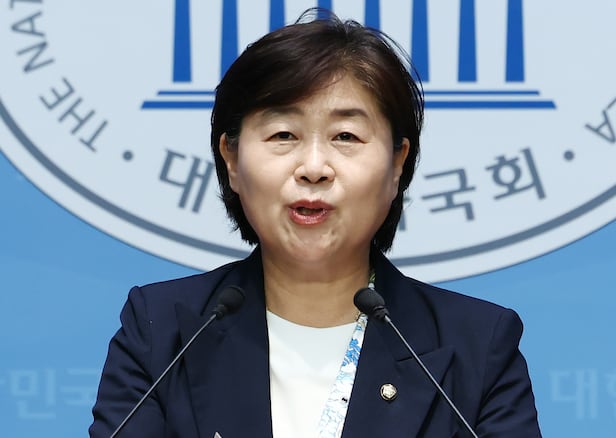
Prediction markets are pricing Seo Young-kyo as an extremely unlikely candidate in the 2026 Seoul mayoral election, with current odds standing at 0.2%—one of the lowest probabilities typically assigned in competitive electoral markets. The market has seen significant activity, with $3.17 million in volume, suggesting broad trader engagement with the Seoul race despite the low probability assigned to this particular candidate.
Why It Matters
Seoul's mayoral election carries substantial weight in South Korean politics, as the capital city's leadership role often signals broader political trends ahead of national contests. The 2026 race will help determine which political forces dominate the country's most populous metropolitan region. The extremely low probability assigned to Seo suggests traders view this candidate as a longshot relative to other contenders in what is shaping up as a competitive field.
Key Factors
The minimal odds reflect several structural realities of South Korean electoral politics. Seo's current standing relative to other candidates—whether driven by limited name recognition, weak party backing, or historical electoral performance—appears to be the primary driver of these odds. The candidate's political alignment, fundraising capacity, and organizational strength compared to rivals likely influence how traders assess viability. Additionally, the strength of major party machinery and traditional factional politics in Seoul elections typically favor better-established figures with broader institutional support.
Outlook
With the election still nearly 18 months away, market probabilities remain subject to significant shifts. Political developments including primary outcomes, candidate endorsements, or unexpected controversies could alter Seo's electoral prospects and subsequently move the market odds. Traders will likely reassess positions as the candidate field crystallizes and campaign activity intensifies closer to the June 2026 vote. The market's resolution will ultimately depend on official results from South Korea's National Election Commission.