Market Overview
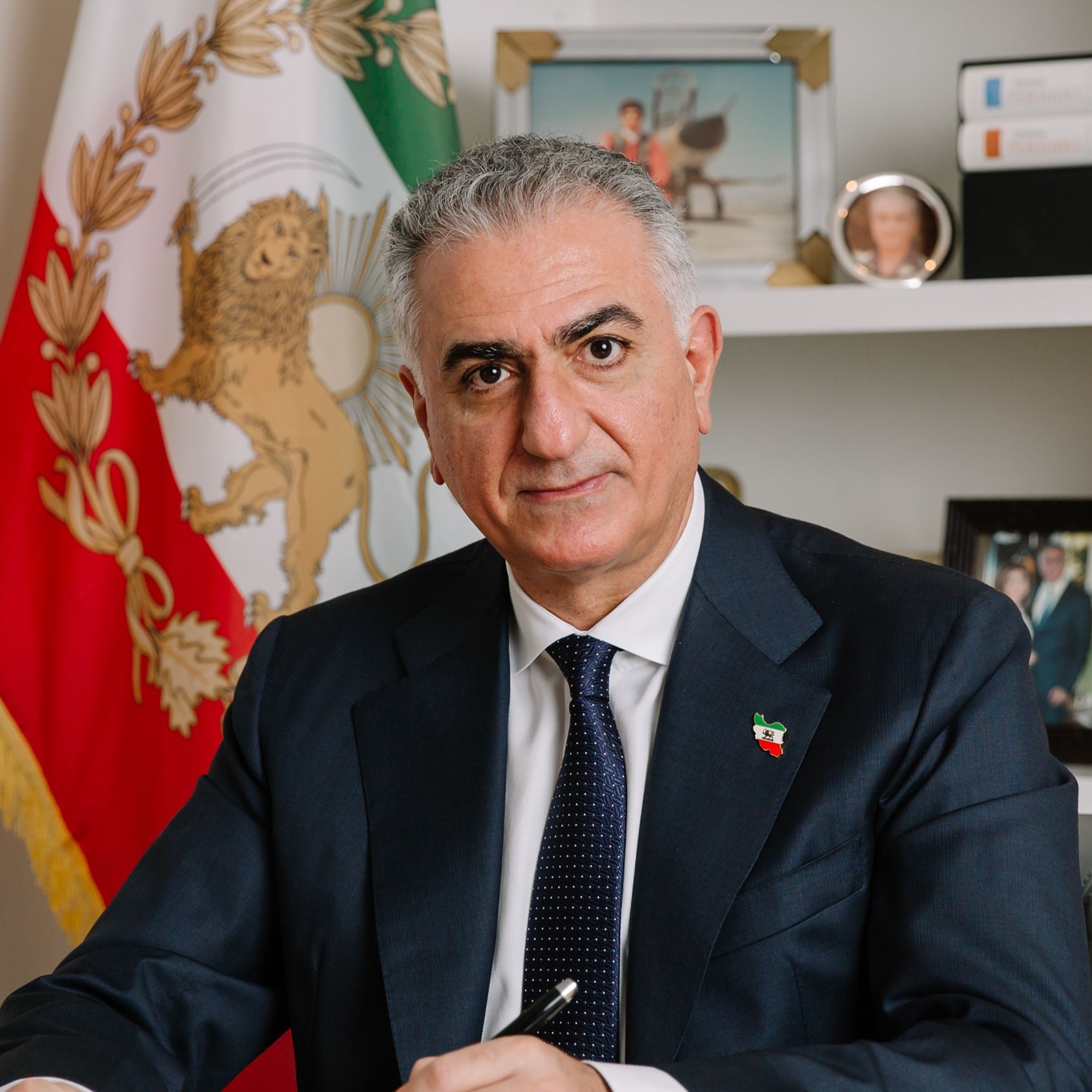
With $3.6 million in trading volume, the market assessing whether Reza Pahlavi will visit Iran within the next 18 months has stabilized at a 5.5% probability of resolution to \"Yes.\" This low but non-negligible odds level reflects meaningful uncertainty around a high-stakes geopolitical scenario, even as the baseline expectation remains heavily skeptical of such a visit occurring. The market's consistent pricing over the past day suggests participants view the fundamental barriers as durable, absent unexpected major shifts in Iran's political landscape.
Why It Matters
A return by Reza Pahlavi, the son of Iran's last shah and an exiled opposition figure based primarily in the United States, would represent a watershed moment in Iranian politics. His physical presence in the country could serve as a rallying point for anti-regime forces or signal a fundamental recalibration of the Islamic Republic's grip on power. Conversely, such a visit could result in his immediate arrest, making the calculus extraordinarily risky. The market outcome hinges not merely on Pahlavi's personal decisions but on broader questions of regime stability, internal power dynamics, and whether opposition forces could create conditions permitting his safe entry and movement.
Key Factors
Several structural impediments keep probabilities depressed. The Iranian government has consistently opposed Pahlavi's political activities abroad and maintains strong incentive to prevent his return, viewing him as a symbol of the ancien régime and a potential organizational focus for opposition. Pahlavi himself operates under serious personal security risk, as entry into Iran would expose him to regime control and potential detention. Additionally, he lacks an organized mass political movement within Iran comparable to other opposition figures, limiting his ability to negotiate safe passage or establish a protected operating space. Conversely, markets assign non-zero probability to scenarios in which internal regime collapse, a negotiated political transition, or a major external military intervention (however remote) could alter these conditions dramatically enough to enable a visit.
Outlook
For probabilities to shift meaningfully higher, the market would likely require credible reporting of either regime instability approaching critical thresholds, explicit overtures from significant Iranian political actors toward Pahlavi, or major geopolitical ruptures affecting Iran's internal security apparatus. Short of such developments, the 5.5% odds appear to price in mainly tail-risk scenarios: a coup d'état, a foreign intervention disrupting regime control, or an unexpected political settlement. Traders should monitor Iranian political events, statements from regime officials regarding Pahlavi, and any shifts in broader Middle Eastern geopolitics that could alter calculations about state capacity or regime survival through the June 2026 deadline.