Market Overview
A prediction market assessing whether Israel or the United States will conduct a kinetic military strike against Iran's Isfahan Nuclear Technology Center is pricing the event at 100% probability through March 31, 2026. With over $1.37 million in trading volume, the market indicates participants view a military strike as virtually certain. The probability has remained anchored at this ceiling for at least the past 24 hours, suggesting the market has reached an equilibrium consensus or is reflecting structural constraints on pricing.
Why It Matters
The Isfahan Nuclear Technology Center represents one of Iran's most strategically significant nuclear facilities. A military strike on the site would constitute a major escalation in Middle Eastern conflict dynamics and could trigger broader regional instability. For markets and policymakers, the question encompasses not only current tensions but assumptions about the trajectory of Israel-Iran relations, American strategic posture, and the likelihood of diplomatic de-escalation over a 15-month period. The 100% pricing reflects market participants' assessment that some form of military action is, from their perspective, effectively certain.
Key Factors Driving the Probability
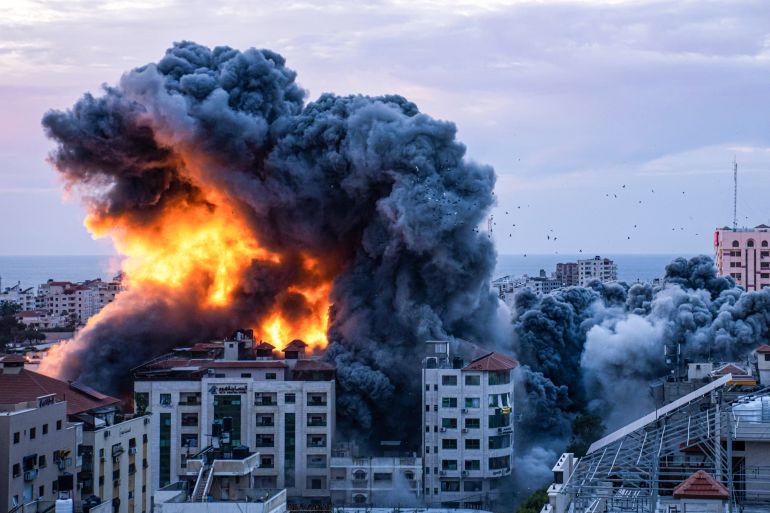
Several factors appear to be supporting extreme confidence in strike probability. Recent Israeli military operations in the region, including responses to Iranian missile attacks, have established a pattern of direct action rather than strategic patience. The definition of \"kinetic military strike\" in this market is broad—encompassing drone strikes, missiles, aerial bombardment, and ground operations—which increases the likelihood that some form of action could qualify. Historical precedent, including the 2007 Stuxnet cyber operation and periodic aerial bombing campaigns against Iranian nuclear sites by Israel, suggests operational capability and political willingness exist.
The extended timeframe—15 months—also increases the probability window substantially. Markets pricing binary geopolitical events over such horizons tend to assign higher baseline probabilities to adverse or escalatory outcomes, as numerous triggering scenarios could materialize. Participants may also be discounting the possibility of sustained diplomatic negotiations or strategic agreements that would eliminate the incentive for strikes.
Outlook and Limitations
The 100% pricing presents an important interpretive challenge: it likely reflects either extreme confidence in strike likelihood or market saturation at the probability ceiling, where additional buyers cannot push odds higher. This distinction matters for understanding true underlying confidence levels. Major developments that could shift market sentiment include direct Israeli-US-Iran diplomatic engagement, international agreements on nuclear inspections, significant changes in regional military posture, or statements from Israeli or American leadership clarifying non-intervention preferences. Conversely, further Iranian nuclear advancement or regional provocations could reinforce current pricing. Traders should note that at 100% probability, the market offers no margin for outcomes where escalation is successfully prevented.