Market Overview
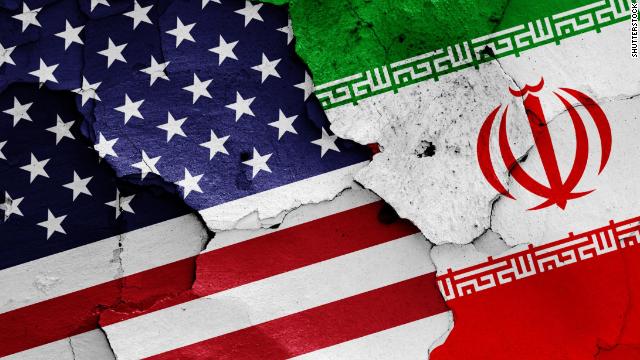
Prediction market participants are pricing US military entry into Iran by year-end at 99.3%, leaving only a 0.7% probability that no such incursion occurs. With nearly $18 million in volume, the market reflects substantial liquidity and trader engagement, though the extreme probability skew suggests consensus rather than genuine debate about the outcome's likelihood.
Why It Matters
Physical entry of US military personnel into Iran would represent a major escalation in the two countries' longstanding tensions and could reshape Middle Eastern geopolitics. The distinction the market makes between active military personnel and other categories—excluding special operations contractors, advisors, and diplomatic delegations—establishes a specific threshold that differentiates routine or deniable activities from overt military action. The high probability assignment reflects market expectations formed in the context of broader US-Iran tensions, though it remains unclear whether this reflects imminent developments or structural assumptions about the conflict's trajectory.
Key Factors
The near-certainty pricing likely incorporates several considerations: existing US military presence in the region through Iraq and Afghanistan, the possibility of retaliatory operations following Iranian attacks, and ongoing proxy conflicts. The market's definition excludes diplomatic and advisory personnel, which reflects recognition that limited forms of authorized entry already occur. The extremely narrow probability band for a contrary outcome—0.7%—suggests that traders see genuine military incursion as highly probable within the remaining timeframe, or that the market is pricing in an expectation so widely held that alternative scenarios command minimal value.
Outlook
For this market to resolve \"No,\" tensions would need to remain below the threshold of direct military action through year-end. Given the market's current pricing, any developments that appear to reduce imminent conflict risk could shift probabilities, though the 99.3% level indicates traders expect such de-escalation is unlikely. Conversely, reported incidents of US troops entering Iranian airspace or ground territory would confirm current market expectations. The lack of meaningful trading range in recent sessions suggests the market has largely settled on its view of this outcome.