Market Overview
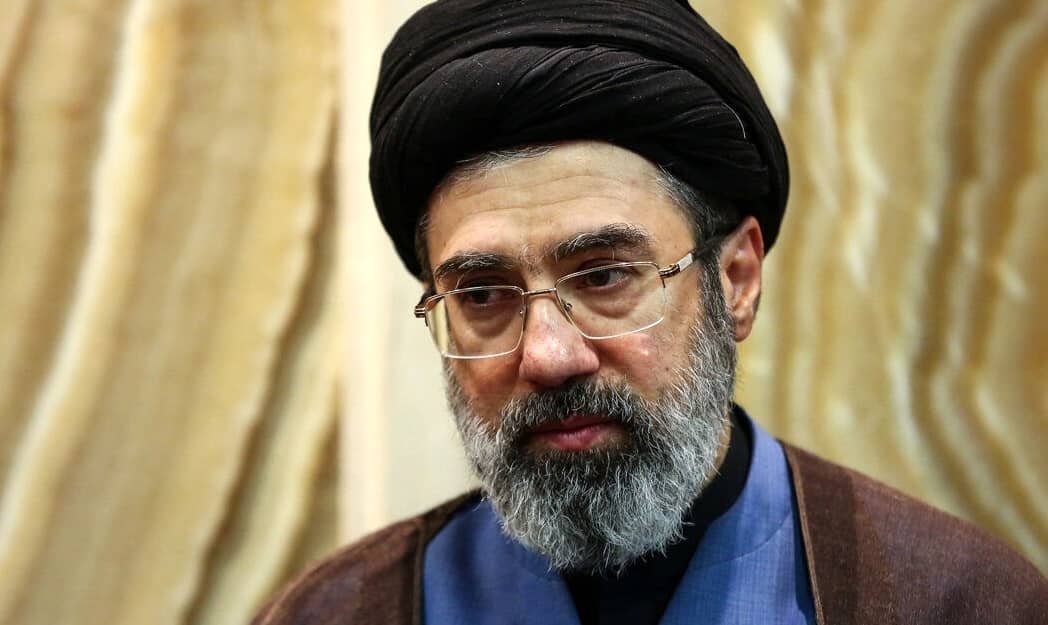
Prediction markets are currently pricing a 33.5% probability that Mojtaba Khamenei, Iran's de facto supreme leader, will cease to hold power by the end of 2024. The market has maintained this odds level over the past 24 hours, with substantial volume of $2.08 million indicating active interest from traders assessing the political stability of Iran's leadership. The probability implies roughly one-in-three odds of a significant leadership disruption within the remaining timeframe.
Why It Matters
Iran's supreme leader holds sweeping authority over the military, judiciary, and state media, making any change in de facto leadership consequential for regional stability and international relations. A leadership transition—whether through removal, detention, or forced departure—could signal internal power struggles within Iran's political establishment or external pressure sufficient to dislodge the ruling structure. The market's moderate probability assignment suggests traders view such a scenario as plausible but not imminent, reflecting genuine uncertainty about internal Iranian politics that is rarely visible to outside observers.
Key Factors
Several dynamics are likely influencing the market's assessment. Iran faces ongoing economic pressure from international sanctions, which could destabilize the government's grip on power. Internal factional tensions between hardliners and pragmatists within Iran's clerical establishment create potential openings for power shifts. Regional tensions, including proxy conflicts and direct military confrontations, add another layer of unpredictability. Additionally, health concerns or unforeseen events affecting leadership figures could trigger succession dynamics. However, Khamenei's institutional controls and the absence of obvious replacement mechanisms or organized opposition capable of forcing change provide countervailing pressure toward the lower end of the probability spectrum.
Outlook
The market would likely shift materially on credible reporting of significant political instability, health crises affecting senior leadership, or coordinated moves by rival power centers within Iran's government. Conversely, signs of stable governance, consolidation of power, or reduced international pressure could push probabilities lower. Traders should monitor Iranian state media, regional reporting, and statements from key institutions for signals of internal discord or leadership vulnerability that could reshape the current 33.5% assessment.