Market Overview
The prediction market for a magnitude 10.0 or greater earthquake before the end of 2026 is trading at 5% probability, with stable pricing over the past 24 hours and trading volume of $589,842. This represents a 1-in-20 chance outcome, a level typically reserved for events that are scientifically plausible but extraordinarily unlikely within the specified timeframe.
Why It Matters
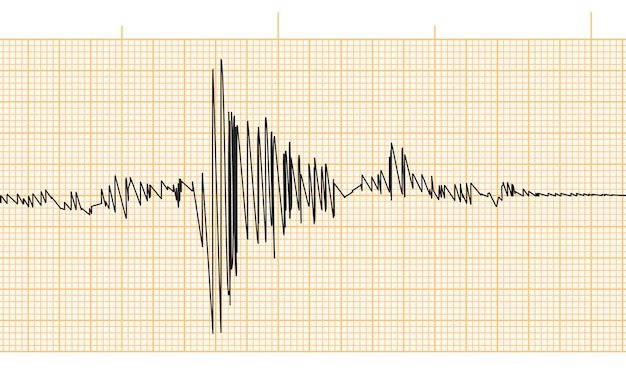
Earthquakes of magnitude 10.0 represent a threshold of seismic activity that would be among the most catastrophic natural disasters in human history. Such an event would release energy orders of magnitude greater than the largest earthquakes ever recorded, potentially triggering massive tsunamis and geological disruptions across vast regions. Understanding market sentiment around extreme seismic events reflects both public awareness of natural hazards and the scientific consensus on their likelihood, making this market a useful indicator of how prediction markets price extreme tail-risk scenarios.
Key Factors
The 5% probability reflects several scientific realities. No earthquake of magnitude 10.0 has ever been recorded in the instrumental era, which dates back approximately 120 years. The largest recorded earthquake was the 1960 Great Chilean earthquake, measured at magnitude 9.5. Seismic moment-magnitude follows a logarithmic scale where each unit increase represents roughly 32 times greater energy release; a 10.0 would require a rupture of unprecedented length and displacement. Geological models suggest that even the longest subduction zones—where the largest earthquakes occur—have physical limits that constrain maximum possible magnitudes to around 9.6-9.8. The market's pricing suggests traders view a 10.0+ event as physically possible given current seismic science, but not probable within a one-year window.
Outlook
The stability of this market at 5% over recent trading suggests broad consensus among participants that a magnitude 10.0 earthquake remains firmly within the realm of extreme outliers rather than meaningful near-term risk. The market will likely remain flat absent new seismic activity or revisions to geological understanding of maximum earthquake potential. Any significant seismic swarm, updated research on subduction zone capacity, or a major earthquake in the 9.5+ range could shift sentiment, though the scientific barriers to magnitude 10.0 would need substantial reconsideration to move probabilities materially higher.