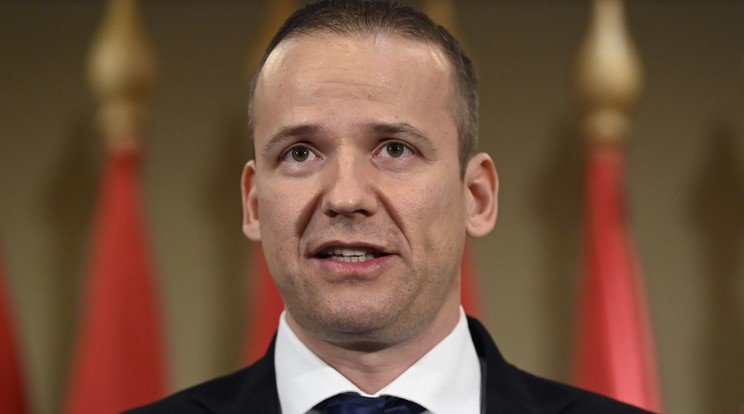
Market Overview
With Hungarian parliamentary elections scheduled for April 12, 2026, the prediction market for Jobbik plurality victory shows negligible support at 0.1% probability despite the substantial trading volume of nearly $15 million. The stable probability over the past 24 hours suggests market consensus on this outcome rather than recent news-driven volatility. Jobbik, which once positioned itself as a nationalist alternative to Fidesz and briefly captured double-digit parliamentary representation, now faces an extremely challenging path to electoral plurality according to trader assessments.
Why It Matters
The 2026 Hungarian election represents a critical test of political realignment in a country where Fidesz has maintained supermajority control since 2010. A Jobbik plurality would signal a dramatic reversal of current political dynamics and suggest significant voter defection from the governing coalition. Currently, the market structure implies that traders view other outcomes—whether Fidesz continuation, a unified opposition victory, or another party plurality—as substantially more probable, with the implied probabilities of alternatives totaling 99.9%.
Key Factors Driving Low Probability
Jobbik's minimal odds reflect multiple structural barriers. The party has experienced steady organizational and electoral decline, particularly after some members defected to form other conservative alternatives. Hungary's mixed electoral system, which combines single-mandate districts with proportional representation, historically has favored larger, better-established parties. Most critically, Fidesz maintains significant institutional advantages and structural support that would make displacing them in terms of seat plurality extraordinarily difficult. Additionally, the fragmented opposition lacks clear indicators of consolidation around a Jobbik platform, with voters more likely to coalesce behind alternative opposition figures or remain within the Fidesz orbit.
Outlook
Market observers should monitor whether Jobbik's probability shifts in coming months as campaigns crystallize and polling data emerges. Any significant uptick would likely require major scandal, coalition realignment, or unexpected leadership changes within Fidesz or the governing coalition. Given the current market consensus and the structural dominance of Orbán's political apparatus, Jobbik's 0.1% odds appear to reflect genuine trader assessment of extremely limited electoral pathways to a plurality outcome. The substantial volume suggests this contract serves primarily as a hedge instrument rather than a genuine conviction bet on Jobbik revival.