Market Overview
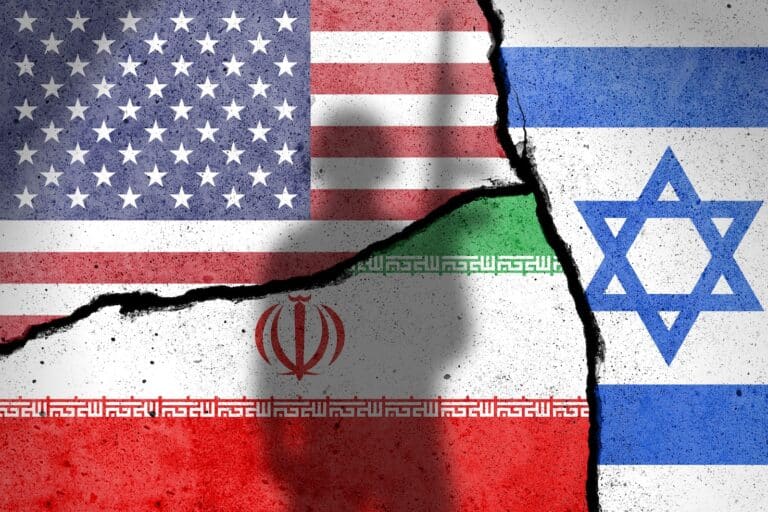
Prediction market participants are pricing the probability of Iran's Islamic Republic regime collapsing or being overthrown by April 30, 2026, at 1.7%—a level that has remained remarkably stable over the past 24 hours and reflects deep skepticism about regime change within the 16-month timeframe. With over $31 million in trading volume, the market represents substantial liquidity and suggests meaningful divergence of opinion, yet the consensus leans heavily toward regime continuity.
The low probability reflects the distinction between periodic challenges to Iranian governance and systemic regime collapse as defined by the market criteria. The resolution framework explicitly excludes routine political transitions, elections, and internal power shifts that preserve the Islamic Republic's fundamental structures—including the office of the Supreme Leader, the Guardian Council, and IRGC control under clerical authority. Only a clear break in continuity involving a fundamentally different governing system or loss of de facto power over a majority population would qualify.
Why It Matters
Iran's political trajectory carries implications for regional stability, energy markets, and international diplomacy. The question of regime durability has become more salient following domestic unrest in recent years, including the 2022-2023 protests and ongoing economic pressures. However, market participants appear to distinguish between discontent and the institutional collapse necessary for regime change, suggesting that traders view the Islamic Republic's state apparatus—despite vulnerabilities—as structurally resilient over a 16-month horizon.
Key Factors
Several dynamics inform the market's low probability assessment. The Iranian military and security apparatus, particularly the Islamic Revolutionary Guard Corps, maintains operational control over security forces and has demonstrated capacity to suppress large-scale unrest. Economic hardship and international sanctions create chronic instability, yet have not produced the cascading institutional failures or mass defection of state structures typically preceding regime collapse. Additionally, the timeframe is compressed: regime transitions of the magnitude specified in the resolution criteria typically unfold over years rather than 16 months, requiring either a sudden exogenous shock or rapid escalation of existing tensions.
Outlook
The market's trajectory will likely depend on unexpected developments rather than linear extrapolation of current conditions. Scenarios that could shift probabilities include severe economic dislocation, military defection, or external intervention; conversely, successful security operations and economic stabilization would likely reinforce the current low odds. The stability of the 1.7% probability over recent trading suggests traders view regime collapse as a tail-risk event—possible but requiring multiple contingencies to align within an unusually short timeframe. Traders should monitor developments in currency stability, oil revenues, and military cohesion as potential leading indicators of shifting market sentiment.