Market Overview
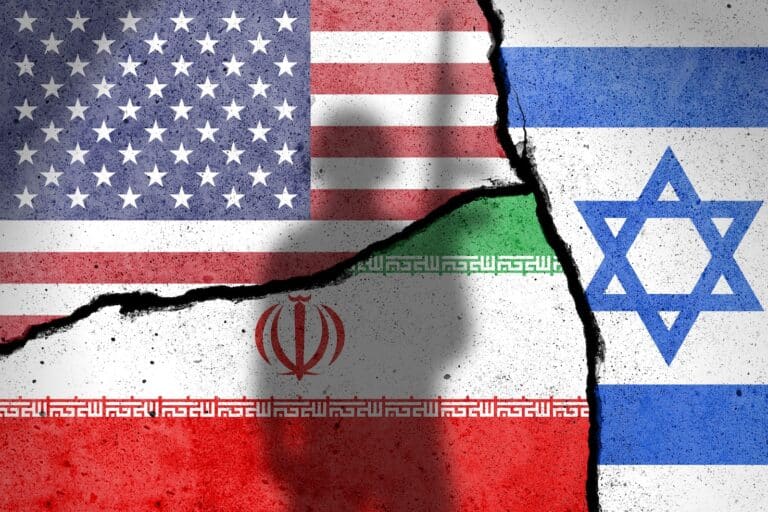
A prediction market with over $26 million in trading volume is currently pricing the probability of military action against Iran ending by April 17, 2026 at 100%, where \"ending\" is defined as the absence of US or Israeli drone, missile, or air strikes on Iranian soil or official Iranian embassies and consulates. The market has remained at this ceiling probability for at least the past 24 hours, suggesting stable trader conviction around the baseline expectation of no escalation over the next 16+ months.
Why It Matters
This market reflects trader expectations about one of the most significant geopolitical risks in the Middle East. Direct military strikes by the US or Israel against Iranian territory would represent a major escalation with potentially far-reaching consequences for regional stability, global energy markets, and international relations. The 100% probability assigned to no strikes occurring signals that prediction market participants currently view such action as sufficiently unlikely that they are unwilling to bet substantial capital on its occurrence, even at favorable odds.
Key Factors
Several dynamics inform this assessment. First, the timeframe extends approximately 16 months into the future, providing substantial room for diplomatic resolution or de-escalation of current tensions. The market's definition excludes intercepted missiles and air defense responses, focusing only on successful strikes, which narrows the triggering events to deliberate, unambiguous military actions rather than reactive exchanges. Second, the high trading volume suggests this reflects genuine market consensus rather than thin-market artifacts. The stability at 100% over the recent period indicates no major geopolitical shock or hawkish policy announcement has altered baseline expectations. Historical precedent shows that despite repeated tensions and rhetoric, direct US or Israeli aerial campaigns against Iran proper have not materialized, and traders may be anchoring to that pattern.
Outlook
For the probability to shift materially downward, the market would likely require evidence of imminent military preparations, significant escalation in proxy conflicts that could trigger direct retaliation, or explicit policy statements indicating intent to strike. Conversely, any diplomatic breakthroughs, sanctions relief discussions, or regional de-escalation initiatives could reinforce confidence in the baseline outcome. Traders should monitor statements from US and Israeli leadership, developments in nuclear negotiations, and escalation patterns in proxy conflicts—particularly involving Yemen's Houthi movement or other Iranian-backed groups—as these could shift expectations. The current 100% reading should be interpreted with caution, as it may reflect either high confidence in stability or simply a lack of sufficient financial incentive for counterparties to argue for a higher strike probability at extreme odds.