Market Overview
The prediction market on Iran's potential agreement to surrender its enriched uranium stockpile currently trades at 12.5% probability, indicating traders view such an outcome as unlikely within the next 15 months. With nearly $1 million in trading volume, the market demonstrates sustained interest in this nuclear diplomacy question, though the stable price over the past 24 hours suggests no recent catalysts have shifted sentiment materially. The resolution criteria are notably broad—encompassing unilateral pledges, bilateral agreements with the U.S. or Israel, or even partial surrenders of enriched uranium—yet the low probability persists.
Why It Matters
Iran's enriched uranium stockpile represents one of the most contentious issues in Middle Eastern geopolitics and global non-proliferation efforts. Iran has accumulated over 130 kilograms of uranium enriched to 60% purity—near weapons-grade levels—creating international concerns about potential weaponization. Any formal Iranian agreement to surrender these materials would represent a historic shift in Tehran's nuclear posture and could signal broader diplomatic thaw between Iran and Western powers or regional adversaries. Conversely, continued accumulation without agreement reinforces assessments that Iran prioritizes nuclear leverage in future negotiations.
Key Factors
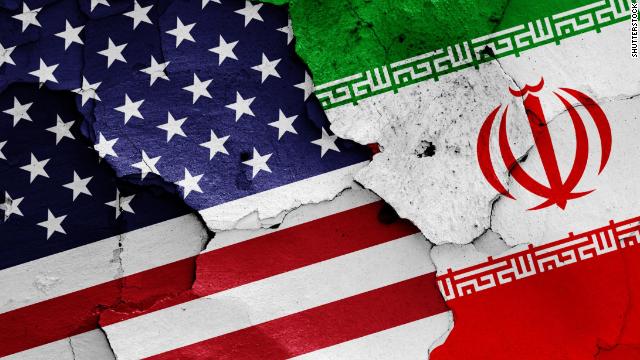
Several structural impediments explain the market's skepticism. The 2015 Joint Comprehensive Plan of Action (JCPOA) collapsed under U.S. withdrawal in 2018, and subsequent American administration policies have favored maximum pressure over negotiation. Iran has responded by accelerating uranium enrichment as a negotiating tool rather than surrendering it. Any credible agreement would require either a dramatic shift in U.S. policy toward Iran, a major geopolitical development (such as resolution of Israel-Iran tensions), or economic concessions sufficient to offset Iran's security concerns about relinquishing nuclear material. Historical precedent suggests Iran views uranium stockpiles as essential leverage and has consistently refused comparable surrenders in past negotiations. Additionally, the market resolution date of March 31, 2026 provides roughly 15 months—a compressed timeframe for nuclear diplomacy that typically unfolds over years.
Outlook
For the probability to move meaningfully higher, markers would likely need to observe credible signals of direct U.S.-Iran negotiations resuming with serious intent, a regional security agreement reducing Iranian threat perceptions, or statements from Iranian leadership indicating willingness to discuss uranium surrender as part of broader talks. The current 12.5% probability may serve as a floor, pricing in only low-probability scenarios such as an unexpected change in U.S. administration policy or extraordinary regional realignment. Absent such developments, the market positioning suggests traders expect Iran to maintain or increase its uranium stockpile as a strategic asset through the resolution window.