Market Overview
Prediction markets currently price Iran's agreement to halt uranium enrichment by mid-2026 at 25.5% probability, with volume exceeding $660,000 indicating substantial interest in the outcome. The metric trades near historical levels with no recent sharp movements, suggesting market participants have settled on a baseline view of low but non-trivial odds. The resolution criteria are notably broad—accepting either unilateral announcements or formal agreements, preconditions to larger deals, or temporary commitments—yet markets still assign three-to-one odds against such an agreement materializing within the timeframe.
Why It Matters
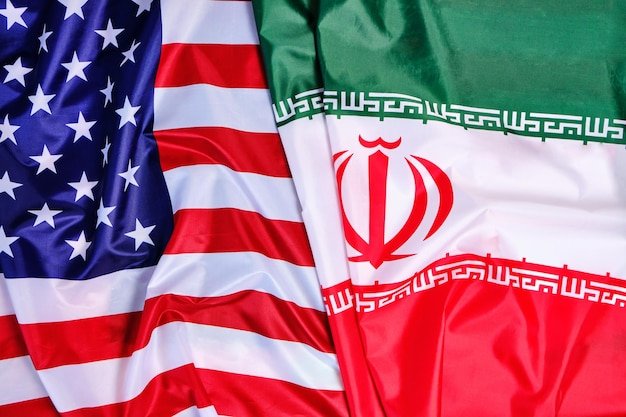
Iran's uranium enrichment program stands at the center of Middle East security concerns and international nonproliferation efforts. An agreement to end all enrichment would represent a significant diplomatic victory and potential de-escalation of tensions between Iran and Western powers, particularly the U.S. and Israel. The current probability reflects market skepticism that such a comprehensive commitment is achievable through June 2026, a period spanning less than 18 months from typical market trading dates. Any such agreement could reshape regional dynamics and influence broader geopolitical relationships.
Key Factors
Several structural factors constrain the probability. Historically, Iran has resisted complete cessation of enrichment, viewing the technology as a national right and source of leverage in negotiations. The current geopolitical environment remains fragmented, with U.S.-Iran relations volatile and dependent on shifts in American political leadership and policy. Israeli security concerns about Iranian nuclear capability complicate multilateral diplomacy. Additionally, the resolution criteria's inclusive language—accepting even temporary cessations or agreements contingent on broader peace processes—suggests that even with such flexibility, markets assess limited likelihood of Iran making any formal public pledge by the deadline. The 18-month window is relatively compressed for breakthrough negotiations of this magnitude.
Outlook
Market probability could shift materially if diplomatic channels intensify or if regional crises force accelerated negotiations. Conversely, escalation in U.S.-Iran tensions, Israeli military action, or hardening of Iranian political positions would likely compress odds further. The current 25.5% pricing suggests markets view the scenario as improbable but not foreclosed—consistent with a base case of continued nuclear tension without imminent resolution, while acknowledging tail risks of rapid diplomatic movement. Traders should monitor statements from Iranian officials, U.S. administration positions, and any shifts in international mediation efforts as leading indicators of probability movement.